
The Tricolour can hold its head high this year, despite the misfortune of its unfurling at the Red Fort by a man who does not deserve to hold it. It was a slightly freer air that our national flag breathed this 15 August — the youth of this country have given it back something of its true meaning.
The True Meaning of the Tiranga in Youth Hands
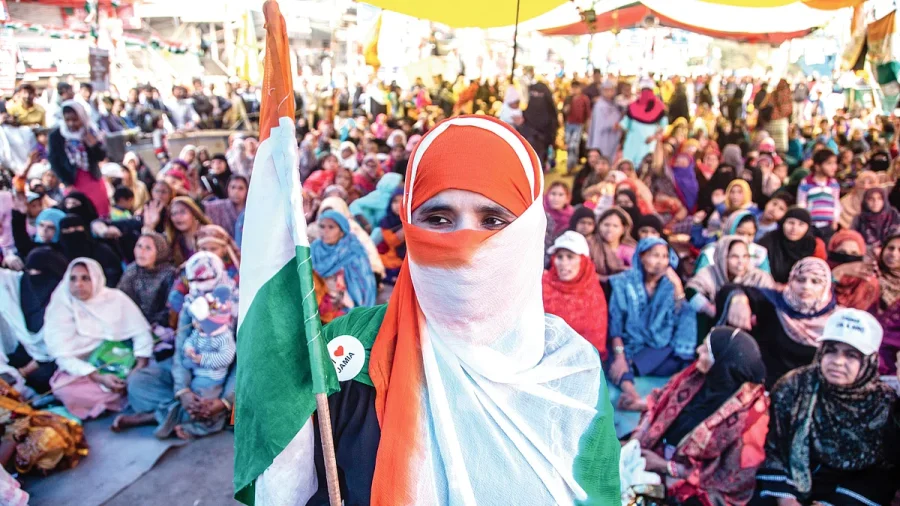
It is not the sight of the Tricolour being hoisted at the Red Fort on 15 August that uplifts an old person like me, who has seen many prime ministers and Presidents, some utterly unworthy, perform this ritual. What moves me are the images of the young holding the Tricolour with demands for justice on their lips.
In those moments, the flag does not signify the pride of the nation. It becomes a symbol of the spirit of freedom, a yearning for liberty, a symbol of resistance against injustice. This is the essence of what the Tiranga was meant to represent — not a ceremonial object for political photo opportunities, but a living emblem of the people's will.
Why the Flag's Spirit Matters More Than Ceremony
The contrast is stark. When officials hoist the flag, it often feels like a routine performance, drained of emotional weight. But when young citizens raise the same flag while demanding accountability and fairness, the Tiranga transforms into something powerful and immediate.
According to Organiser, the discussion around the Tiranga connects to a broader spirit of civilizational freedom. The flag is not merely a piece of cloth — it carries the aspirations of a people who have long fought for liberty and justice.
"It becomes a symbol of the spirit of freedom, a yearning for liberty, a symbol of resistance against injustice." — Reflecting on the Tiranga's true meaning
Reclaiming the Spirit of the Tiranga
The question before us is simple: can we reclaim the spirit of the Tiranga? The answer, as this reflection suggests, lies with the youth. They have shown that the flag's power comes from its association with truth and justice, not from the hands that happen to hold it during official ceremonies.
For those who have witnessed decades of political rituals, the difference is clear. The flag breathes freer when it is carried by people who believe in its promise. The young have given it back something of its true meaning — a reminder that the Tiranga belongs to the people, not to any single individual or office.
Our Take: The Flag Belongs to the People
In our view, this reflection captures something essential about national symbols. A flag only has meaning when the people give it meaning. The Tiranga's spirit is not preserved by ceremonial hoisting — it is reclaimed every time a citizen raises it in the pursuit of justice.
To put it plainly, the youth of this country are showing us what the flag truly stands for. They are not waiting for permission to honor the Tricolour. They are giving it life through their demands for a fairer society. That is the spirit we must all strive to reclaim — not just on 15 August, but every day.
The Tiranga can hold its head high, not because of who unfurls it, but because of what it represents in the hearts of those who carry it forward.