
Summary
Passengers traveling on the Patna–Tatanagar Vande Bharat Express were shocked to find live worms in their food. The insects were discovered inside sealed containers of Amul curd served during the evening meal. This incident has caused a major problem for the Indian Railway Catering and Tourism Corporation (IRCTC) and the dairy company Amul. Following a strong warning from the government, heavy fines have been issued and contracts are being canceled to address the serious lack of food safety.
Main Impact
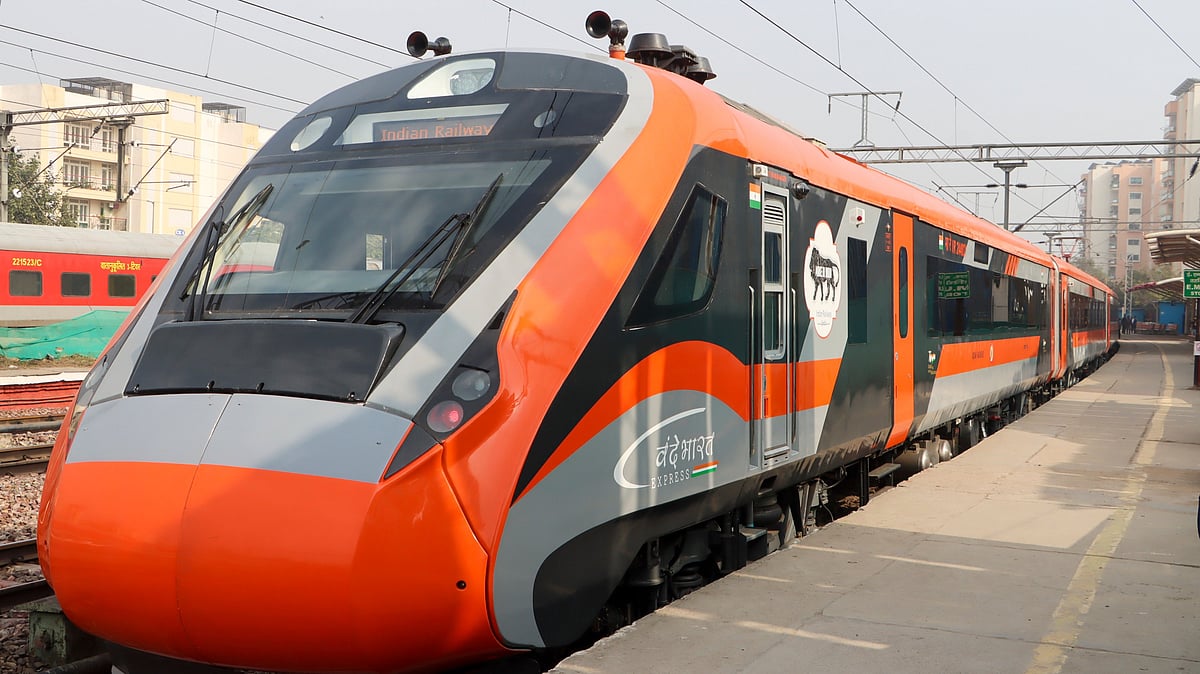
The Vande Bharat Express is known as India’s top-tier train service. It is marketed as a modern, high-speed way to travel with better food and cleaner facilities than regular trains. However, finding worms in the food has damaged this reputation. Travelers pay much higher prices for these tickets, often between Rs 1,200 and Rs 2,500. Because of this, they expect high standards similar to what they would get on an airplane. This event shows that even on premium trains, food safety can still be a major concern, leading to a loss of trust among the public.
Key Details
What Happened
On March 15, 2026, several passengers on the train from Patna to Tatanagar noticed something moving in their curd. At least seven people reported finding live insects inside the small, sealed plastic cups of Amul curd. One passenger, Ritesh Singh, took photos and videos of the worms and shared them on social media. He tagged the Railway Minister and the IRCTC to show them the poor quality of the food being served. The post quickly went viral, forcing the authorities to take action.
Important Numbers and Facts
The government and the railway authorities have taken strict financial action against those responsible. Initially, the IRCTC only fined the food vendor Rs 25,000. However, the Railway Ministry felt this was not enough for such a serious mistake. On March 25, the Ministry stepped in and increased the penalties significantly. The catering company, Krishna Enterprises, was fined Rs 50 lakh, and their contract was ordered to be ended. Additionally, the IRCTC itself was fined Rs 10 lakh for failing to monitor the service properly. Amul has also been called to a meeting to explain how insects ended up in their sealed products.
Background and Context
The Vande Bharat trains are a point of pride for India’s railway system. They are designed to be fast, comfortable, and modern. Unlike older trains, these services include the cost of food in the ticket price. The government uses these trains to show how the country is improving its infrastructure. Because the tickets are expensive, the people who ride these trains expect the best service. When basic hygiene fails, it becomes a national news story because it contradicts the image of a "new and improved" railway system. Food safety in India is managed by strict rules, but keeping food fresh during long train journeys requires a "cold chain," which means the food must stay at a specific cold temperature from the factory all the way to the passenger's tray.
Public or Industry Reaction
The reaction from the public has been one of anger and disappointment. Many people on social media asked why they should pay premium prices if the food is not safe to eat. Amul responded to the complaints online by asking for the batch numbers and contact details of the passengers so they could start an investigation. The Railway Ministry was particularly upset with the IRCTC. They believed the IRCTC was too soft on the food vendor at first. By ordering a much larger fine and canceling the contract, the Ministry sent a message that poor service will not be tolerated on flagship trains.
What This Means Going Forward
The IRCTC is now looking closely at how food is handled before it reaches the train. They have summoned officials from Amul to find out if the problem started at the dairy plant or during storage. The catering company, Krishna Enterprises, is facing blacklisting, which means they may not be allowed to work with the railways again. In the future, there will likely be more surprise inspections and stricter rules for how food is kept cold. The goal is to make sure that every sealed item served on a train is checked for quality before it reaches a passenger. This incident will likely lead to a complete review of how dairy products are supplied to premium trains across India.
Final Take
High ticket prices must be matched by high-quality service. If the Indian Railways wants to compete with airlines and provide a world-class experience, they cannot afford mistakes like this. Food safety is a basic requirement, not a luxury. This situation serves as a loud wake-up call for the IRCTC and its partners to fix their supply chain and ensure that every meal served is clean and safe for everyone.
Frequently Asked Questions
How much were the companies fined for the worm incident?
The catering vendor, Krishna Enterprises, was fined Rs 50 lakh, and the IRCTC was fined Rs 10 lakh by the Railway Ministry.
Which train was involved in the food quality complaint?
The incident happened on the Patna–Tatanagar Vande Bharat Express during a service on March 15, 2026.
What is happening to the catering company's contract?
The Railway Ministry has ordered the termination of the contract with Krishna Enterprises and has started the process to blacklist the company from future railway work.