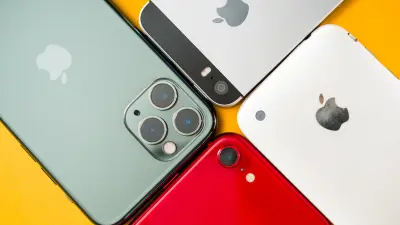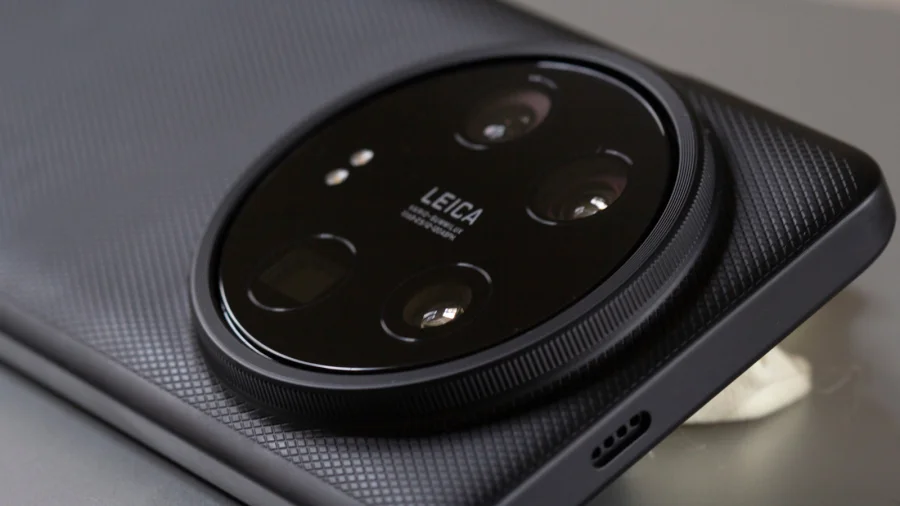

The US smartphone market presents a striking contrast to the rest of the world. While American consumers primarily choose between Apple, Google, and Samsung devices, the global market offers a much wider variety of Android phone brands that rarely make it to US shelves.
Why Popular Android Brands Skip the US Market
The smartphone landscape in America looks very different from what consumers see in other regions. According to YouGov Ratings, the most popular phone models in America are dominated by a few major players, leaving little room for international brands to break through.
Brands like Xiaomi, Oppo, and Vivo — which are household names in Asia and Europe — have largely avoided the US market. This isn't an accident. The US market presents unique challenges including carrier partnerships, regulatory requirements, and intense competition from established players.
The American Android Brand Gap
Interestingly, the United States invented both major mobile operating systems — iOS and Android — yet the country has surprisingly few homegrown Android brands. As discussed in Reddit's Android community, this creates a paradox where the technological powerhouse that created Android has very few domestic brands building phones for it.
Instead, American consumers rely heavily on Samsung and Google for their Android options, while the rest of the world enjoys a diverse ecosystem of manufacturers competing on price, features, and innovation.
Underrated Brands That Could Compete
Several international Android brands have proven they can compete with the biggest names in the industry. According to BGR, there are underrated Android phone brands that could potentially challenge Google and Samsung if given the opportunity in the US market.
These brands often offer compelling features at competitive prices, but their absence from the US market means American consumers never get to experience what they have to offer.
"The US market presents unique challenges including carrier partnerships, regulatory requirements, and intense competition from established players." — YouGov Ratings
What This Means for American Consumers
The limited choice in the US smartphone market has several implications:
- American consumers pay premium prices for phones that are often cheaper in other markets
- Innovation from global brands rarely reaches US shores
- Carrier lock-in and network compatibility issues keep international phones out
- The lack of competition may slow down price reductions and feature improvements
Our Take: The Cost of Limited Choice
To put it plainly, American consumers are missing out. The smartphone market in the US has become comfortable with a three-brand system, and that comfort comes at a cost. When you limit competition, you limit innovation and keep prices higher than they need to be.
In our view, the absence of brands like Xiaomi and Oppo from the US market isn't just about consumer choice — it's about the health of the entire smartphone ecosystem. Competition drives progress, and without it, we risk falling behind the rest of the world in mobile technology.
The question isn't whether these brands could succeed in the US — many of them already prove their worth in other markets. The real question is whether the US market structure will ever allow them to compete. Until then, American consumers will continue to have fewer options than phone buyers almost anywhere else in the world.