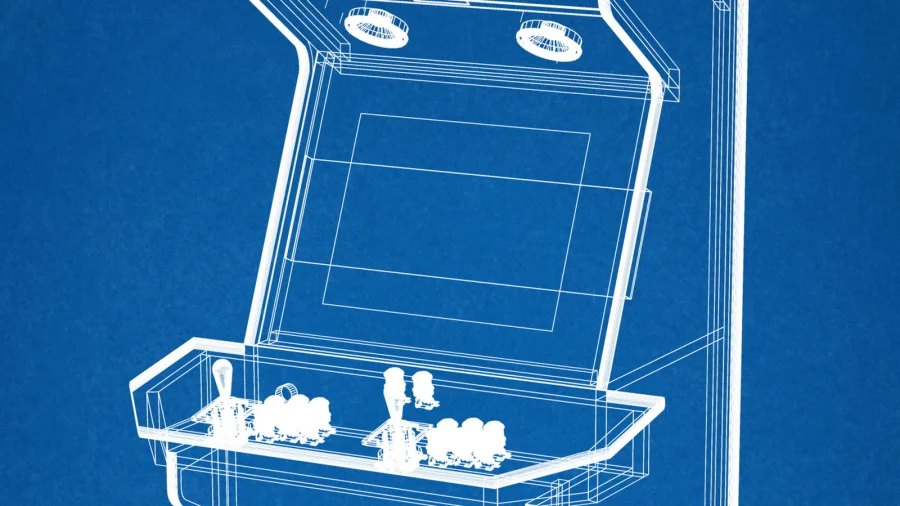

Adding a retro arcade cabinet to your gaming space is a dream for many gamers. But the big question is: should you buy one ready-made or build your own? For those with a bit of DIY spirit, building one yourself can be a rewarding project that saves money and gives you exactly what you want.
Essential Components for a DIY Arcade Cabinet
Building your own retro arcade cabinet requires several key parts. According to DIY Retro Arcade, the core components include arcade parts and JAMMA boards that let you relive those retro years. These are the building blocks of any custom cabinet.
For the brain of the operation, many builders turn to a Raspberry Pi. As shared in a Maker Forums build log, a Raspberry Pi 4 serves as an excellent, affordable computer to run all your favorite arcade games. It's compact, powerful enough for retro gaming, and easy to set up.
Planning Your Cabinet Build
Before you start cutting wood, planning is crucial. The same Maker Forums build log shows that the builder started by designing the cabinet in SketchUp, a free 3D modeling software. This step helps you visualize the final product and work out measurements before you commit to cutting any materials.
One builder on the forum noted that arcade cabinets are "big, heavy and expensive" to buy, which is why they chose to build their own once they had room and a workshop. This highlights a key advantage of DIY: you can build a cabinet that fits your specific space and style.
What You'll Need: The Complete Parts List
Based on community discussions and build guides, here's what you need to gather:
- Cabinet pieces: The wood or MDF panels that form the structure
- Monitor: A screen to display the games
- Arcade sticks and buttons: The controls you'll use to play
- Raspberry Pi or similar computer: The brain that runs the games
- Wiring: To connect everything together
- Power supply: To keep everything running
As mentioned in a Reddit gaming discussion, some retailers like Microcenter used to sell complete DIY arcade cabinet kits. These kits included everything you need — the monitor, sticks, buttons, Raspberry Pi, wires, and the cabinet pieces themselves. While availability varies, looking for similar kits can simplify your build significantly.
Getting Started With Your Build
If you're new to this, don't be intimidated. Many builders start by taking inspiration from others. The Maker Forums builder mentioned taking inspiration from cabinets built by Bob from the "I Like to Make Stuff" YouTube channel. Watching experienced builders can teach you the ropes and help you avoid common mistakes.
For those who want more detailed guidance, Todd Moore's guide on building your own arcade machine offers step-by-step instructions. His resource covers the process from start to finish, making it accessible even for beginners.
Our Take: Is Building Worth It?
To put it plainly, building your own retro arcade cabinet is absolutely worth it for the right person. If you enjoy hands-on projects and have basic woodworking skills, you'll save money compared to buying a pre-built cabinet. You'll also get the satisfaction of playing on something you created yourself.
However, this isn't a weekend project for everyone. It requires space to work, some tools, and patience. If you'd rather skip the hassle, buying a kit or pre-built cabinet might be the better route. But for those who love DIY, there's nothing quite like the feeling of dropping a coin into a machine you built with your own hands.
The key takeaway? Start with a good plan, gather your parts, and don't be afraid to learn as you go. The retro gaming community is full of helpful builders who share their tips and tricks online.