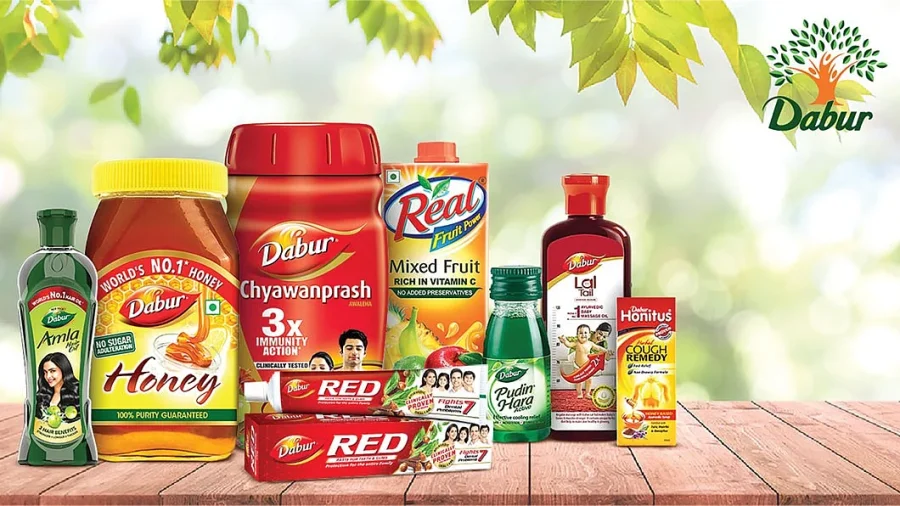

India's food safety regulator has ordered FMCG giant Dabur India to halt the sale of select products carrying claims like "100 per cent Natural" and "100 per cent Pure." The Food Safety and Standards Authority of India (FSSAI) says these labels are misleading and lack proper verification.
The regulator has directed Dabur to immediately stop marketing products featuring such absolute claims, stating they could create confusion among consumers. The action covers labels including "100 per cent Natural", "100 per cent Pure", "100 per cent Purity Guaranteed", "100 per cent Organic" and "100 per cent Tender Coconut Water".
Why FSSAI Banned Dabur's '100%' Product Labels
The action stems from FSSAI's assessment that Dabur's promotional claims breached provisions under the Food Safety and Standards (Advertising and Claims) Regulations, 2018. These regulations govern how food products can be advertised and what claims companies are allowed to make on their packaging.
According to Storyboard18, FSSAI has directed Dabur India to stop selling a range of food products marketed with "100%" claims, saying such labels are ambiguous, unverifiable and likely to mislead consumers under existing food advertising regulations.
The products affected include honey, ghee, oils, coconut water and other food items that carried these absolute claims on their packaging.
Which Dabur Products Are Affected by the FSSAI Order
The regulator's directive covers a wide range of Dabur products that used "100%" claims in their marketing. According to Hindustan Times, the full list of products banned from using these claims has been published, showing the scope of the regulator's action.
FSSAI has clearly stated that Dabur cannot use any such 100% claims like "100% natural" or "100% pure" on its products because, according to the regulator, these claims cannot be adequately verified, as noted in Instagram coverage of the order.
"FSSAI has directed Dabur to stop selling honey, ghee, oils, coconut water and other products carrying '100 per cent' claims, calling them misleading." — Instagram
The regulator's position is that absolute claims like "100% Pure," "100% Natural," or "100% Safe" cannot be substantiated and therefore mislead consumers, as reported by Reuters on Facebook.
Impact of FSSAI Action on Dabur's Food Business
This order affects a significant portion of Dabur's food product portfolio. The company markets several products across honey, ghee, cooking oils and beverages that relied on "100%" claims as a key selling point to consumers.
According to ET Retail, FSSAI has prohibited Dabur from selling food products with "100%" claims, marking a significant regulatory action against one of India's largest FMCG companies.
The company will now need to either remove these claims from its packaging or provide adequate scientific verification to support them. This could mean repackaging costs and potential disruption to sales of affected products.
Our Take: Why This FSSAI Action on Dabur Matters
In our view, this action by FSSAI is a welcome step for consumer protection in India. For too long, food companies have used absolute claims like "100% natural" or "100% pure" as marketing tools without being able to fully back them up.
The problem with such claims is that they leave no room for nuance. A product can be natural but still contain trace amounts of additives. It can be pure but still undergo processing. When a company says "100%", it makes a promise that is nearly impossible to verify completely.
This order sends a clear message to the entire food industry: regulators are watching, and misleading claims will not be tolerated. For consumers, this means greater confidence that the labels they read on food products actually mean something.
For Dabur, this is a reputational challenge. The company built consumer trust over decades, and now it must work to rebuild that trust by ensuring its claims are accurate and verifiable. The company should see this not as a setback but as an opportunity to be more transparent with its customers.
We believe this action could set a precedent for other food companies in India that use similar absolute claims. If FSSAI applies the same standards across the industry, Indian consumers could see more honest and accurate food labelling across the board.