
Summary
India has officially called in the Iranian ambassador to protest a recent shooting incident in the Strait of Hormuz. Two Indian commercial ships were forced to change their path and turn back after shots were fired, reportedly by Iran’s Revolutionary Guards. This event has caused major concerns for the safety of sailors and the movement of goods through one of the most important water routes in the world. India is demanding better protection for its vessels as tensions in the region continue to rise.
Main Impact
The main impact of this incident is the immediate threat to international trade and energy security. The Strait of Hormuz is a narrow path that connects oil-rich countries to the rest of the world. When ships are targeted or forced to turn away, it creates a sense of fear among shipping companies. For India, this is especially serious because a large portion of the country’s oil and gas comes through this specific route. Any delay or danger here can lead to higher fuel prices and supply chain problems at home.
Key Details
What Happened
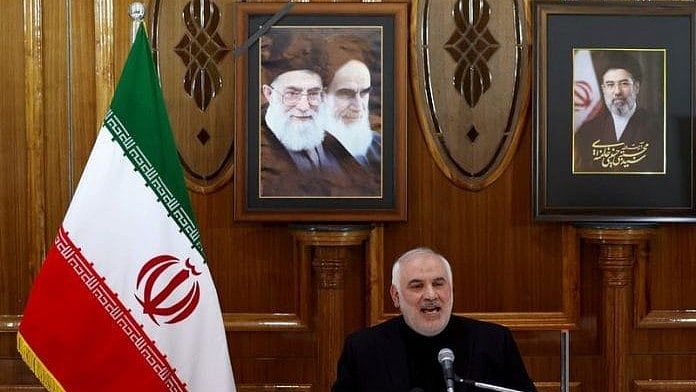
On Saturday, the Indian government summoned the Iranian envoy, Mohammad Fathali, to express their strong disapproval. The move came after two Indian ships tried to pass through the Strait of Hormuz but were met with gunfire. Sources say the Iranian Revolutionary Guards were responsible for the firing. To avoid any damage or loss of life, the captains of the Indian ships decided to reverse course and move away from the area. This happened just one day after Iran had told the world that the waterway was open again for regular ship traffic.
Important Numbers and Facts
The situation is changing quickly, but several key facts have been confirmed. Two Indian vessels were directly involved in the incident. This event follows a period of high tension where over 2,300 Indian workers were recently moved out of Iran for their safety. The Strait of Hormuz is responsible for the passage of about one-fifth of the world's total oil consumption. Iran announced the closure of the route again on Saturday, claiming that the United States had failed to follow through on certain agreements. This back-and-forth decision-making has left many shipping companies confused and worried about the future of the route.
Background and Context
To understand why this matters, it is important to know how the Strait of Hormuz works. It is a very narrow stretch of water that acts as a gate. If that gate is closed or becomes dangerous, the flow of oil stops. Recently, there has been a lot of fighting and tension involving Iran, the United States, and Israel. While there were hopes for a peaceful period, small fights and firing incidents keep happening. India usually tries to maintain good relations with all countries in the Middle East, but the safety of its citizens and its economy is a top priority. This is why the government decided to take a firm diplomatic step by calling in the Iranian ambassador.
Public or Industry Reaction
The shipping industry is currently on high alert. Many companies are wondering if they should find different, longer routes to avoid the area, even though those routes cost much more money. While the Indian Ministry of External Affairs has not released a long public statement yet, insiders say the message sent to Iran was very clear. India expects its ships to be treated with respect and to be allowed to move freely in international waters. Experts in the energy sector are also watching closely, as any further trouble could cause a spike in global oil prices, affecting everyone from large factories to everyday drivers.
What This Means Going Forward
Looking ahead, the relationship between India and Iran might face some challenges. India will likely increase its naval presence in the region to watch over its commercial ships. There is also a need for more talks between Iran and the United States to settle their disagreements about the waterway. If the firing incidents do not stop, India may have to work with other countries to create a protected corridor for ships. The next few weeks will be critical in seeing if Iran keeps the strait closed or if they will allow ships to pass through without the threat of violence.
Final Take
The safety of the seas is vital for the global economy to function. India’s decision to protest shows that it will not stay silent when its ships and sailors are put at risk. As one of the world's largest buyers of energy, India needs the Strait of Hormuz to remain a safe and open path. The international community must now work together to ensure that this vital route does not become a permanent zone of conflict.
Frequently Asked Questions
Why is the Strait of Hormuz so important?
It is a narrow water passage that is the only way for many oil-producing countries to ship their products to the rest of the world. A large part of the world's oil supply passes through this area every day.
Why did the Indian ships turn back?
The ships turned back as a safety measure after shots were fired in their direction. The captains decided it was too dangerous to continue their journey through the strait at that time.
What is India doing to protect its ships?
India has lodged a formal protest with the Iranian ambassador and is closely monitoring the situation. The government may also use its navy to provide extra security for Indian vessels traveling in the region.