
Summary
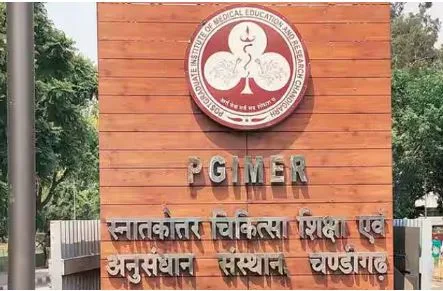
The Post Graduate Institute of Medical Education and Research (PGIMER) has completed its first full year using a new 12-hour surgery schedule. This change has allowed the hospital to perform thousands of extra operations and significantly reduce the time patients wait for care. By keeping operating rooms open from 8 am to 8 pm, the institute has set a new standard for medical efficiency in India. This model has proven so successful that it is now being looked at as a leading example for other major hospitals across the country.
Main Impact
The most important result of this new system is the massive increase in the number of major surgeries performed. In just one year, the hospital completed nearly 3,700 more procedures than it did under the old schedule. This has directly helped thousands of families who would otherwise still be waiting for medical help. By extending the working hours of the operating theatres, the hospital has made better use of its existing space and equipment. This change has also helped the hospital manage its patient beds more effectively, as people are being treated and discharged faster than before.
Key Details
What Happened
On May 1, 2025, PGIMER launched a plan to keep its elective operating theatres open for 12 hours every day. Elective surgeries are planned operations that are not immediate emergencies but are still necessary for a patient's health. Before this change, these rooms often closed much earlier in the afternoon. By staying open until 8 pm, the hospital created a structured way to handle the growing number of people needing surgery. PGIMER is currently the only major medical institute in India to use this specific 12-hour model, even moving ahead of other famous institutions like AIIMS in New Delhi.
Important Numbers and Facts
The data from the past year shows a clear trend of growth. The hospital reported a 10.46% increase in major surgeries, which equals 3,695 additional operations. The success was not limited to just one part of the year. For nine out of the twelve months, the hospital saw a steady rise in the number of cases handled. Some months were particularly busy. In August, there was a 54% jump in surgeries, adding about 1,210 procedures in that month alone. October also saw a 31% increase. One specific area, the Orthopaedics department, saw its workload grow by 80% in one of its main operating rooms.
Background and Context
Large government hospitals in India face a huge challenge because so many people need help. PGIMER acts as a national referral center, which means smaller hospitals send their most difficult and complex cases there. Because the hospital is so popular and trusted, the waiting lists for surgery can sometimes stretch for months or even years. In the past, the main way to fix this was to build more rooms or hire more staff, which takes a long time and costs a lot of money. The 12-hour model was a different approach. Instead of building more, the hospital decided to use what it already had for a longer period each day. This simple change in timing has allowed the staff to treat more people without needing a brand-new building.
Public or Industry Reaction
The Director of PGIMER, Prof Vivek Lal, has praised the hard work of the medical teams. He noted that the hospital chose to expand its hours rather than tell patients they had to wait. When the plan first started, some people were worried that it might be too hard on the staff or that the extra hours would not be used well. However, a detailed study of the past year shows that the operating rooms were busy and productive throughout the new hours. Medical experts have noted that this model has also helped the hospital’s reputation for teaching and research. Because there are more surgeries happening, medical students and researchers have more opportunities to learn from complex cases.
What This Means Going Forward
The success of this 12-hour model suggests that other hospitals in India might soon follow suit. It provides a clear path for how to handle long waiting lists in a busy healthcare system. For the patients, it means that the time spent in pain or discomfort while waiting for a surgery date will continue to drop. The hospital plans to keep using this system and will continue to monitor the data to see where they can improve even more. The focus will remain on performing complex surgeries that require high levels of skill and advanced equipment. As the hospital gets better at managing these long hours, it could lead to even more efficient ways to provide healthcare to the public.
Final Take
PGIMER has proven that better time management can be just as effective as physical expansion in a hospital setting. By simply staying open longer, they have changed the lives of thousands of patients who received care much sooner than expected. This 12-hour model is a practical solution to a long-standing problem in Indian healthcare, showing that innovation does not always require new technology, but sometimes just a new way of looking at the clock.
Frequently Asked Questions
What is the 12-hour OT model?
It is a system where the hospital keeps its elective operating theatres open from 8 am to 8 pm. This allows doctors to perform more surgeries in a single day compared to the traditional shorter schedule.
How many extra surgeries did PGIMER perform?
In the first year of using this model, the hospital performed 3,695 more major surgeries than it did in the previous year, marking a growth of over 10%.
Which department saw the biggest increase in work?
The Orthopaedics department saw the most significant growth, with one of its operating units reporting an 80% increase in the number of surgeries performed.