
Summary
A rare event took place during the local elections in the Hamirpur area of Himachal Pradesh. In the Tal gram panchayat, the contest for the leader position ended in a perfect tie. Both main candidates received exactly 502 votes each. After multiple recounts failed to change the result, officials had to use a lucky draw to pick the winner. This method, known as the "drop box vote," finally decided that Rakesh Kumar would take the office.
Main Impact
The primary impact of this election result is the reminder of how much a single vote matters in local government. When two people receive the exact same number of votes, the democratic process moves from counting to a game of chance. This situation is very rare in modern elections, but it is a legal way to resolve a deadlock. Rakesh Kumar will now serve as the gram panchayat Pradhan for the full five-year term, even though he did not technically get more votes than his opponent from the voters themselves.
Key Details
What Happened
The election for the Tal gram panchayat was part of a larger set of local polls in the Hamirpur development block. As the votes were counted, it became clear that the race was incredibly tight. When the final tally was reached, Rakesh Kumar and his rival were stuck at 502 votes each. To ensure there was no mistake, the election staff counted the ballots again. Even after these repeated checks, the numbers stayed the same. With no clear winner through voting, the Assistant Returning Officer had to step in and use the official tie-breaking rule.
Important Numbers and Facts
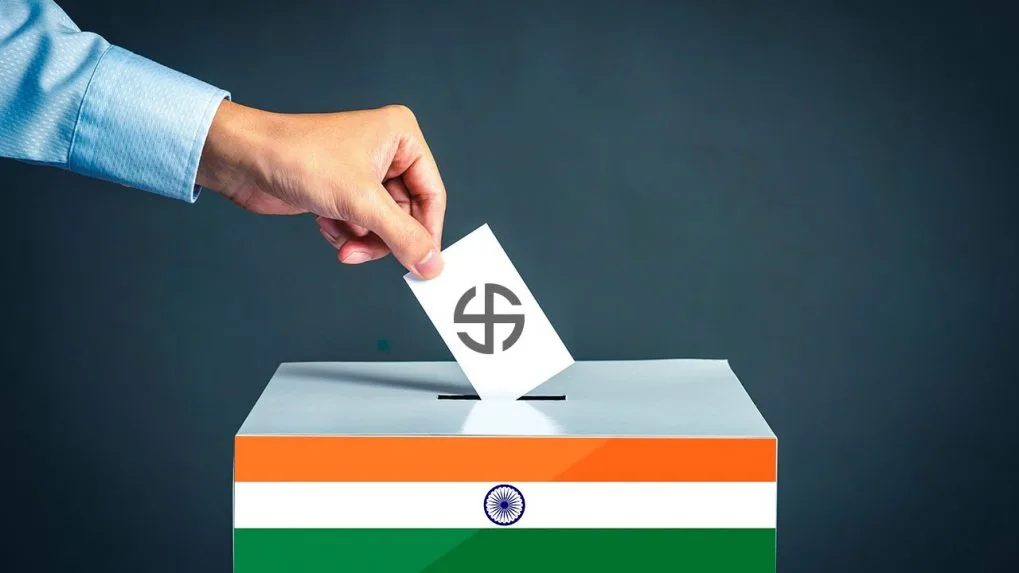
The tie-breaker involved a specific process called the "drop box method." Officials wrote the names of both candidates on small pieces of paper, called chits. These papers were folded and placed inside a box so no one could see the names. A person chosen by the election officials then reached into the box and pulled out one piece of paper. The name on that paper was Rakesh Kumar. Based on this draw, he was declared the winner. While the Tal election was the most dramatic, other nearby areas also saw very close results. For example, in Dashmal Panchayat, the winner won by only three votes. In Bherda, the gap was only five votes.
Background and Context
Gram panchayat elections are the most local form of democracy in India. These elections decide who will lead small groups of villages. Because the number of voters in these areas is relatively small, the margins between winning and losing are often very thin. The people living in these villages usually know the candidates personally, which makes the competition very intense. The "drop box" or "draw of lots" rule exists in the election law to make sure a winner is chosen quickly if a tie happens. Without this rule, the government would have to spend more money and time holding a completely new election, which can be difficult for small communities.
Public or Industry Reaction
The local community followed the counting process with great interest. When the tie was announced, there was a lot of tension among the supporters of both candidates. The use of a lucky draw is always a nervous moment because it takes the power out of the hands of the voters and leaves it to chance. However, the process was handled openly by the Assistant Returning Officer to ensure everyone felt it was fair. While some may feel that a tie-breaker by luck is unusual, it is a standard part of the rules that candidates agree to before the election begins. The other close races in the block also sparked a lot of talk about how every single person showing up to vote can change the future of their village.
What This Means Going Forward
This event will likely be used as an example for years to come to encourage people to vote. If just one more person had voted for either candidate, the lucky draw would not have been necessary. For Rakesh Kumar, the challenge will be to lead a community where exactly half of the voters chose someone else. He will need to work hard to gain the trust of those who did not vote for him. For the election department, this successful use of the tie-breaking rule shows that their systems are ready for even the most unlikely situations. It also highlights the need for clear rules so that there is no confusion or fighting when a tie occurs.
Final Take
The election in Tal gram panchayat shows that democracy can sometimes come down to the simplest of methods. While technology and complex rules govern most parts of our lives, a piece of paper pulled from a box decided the leadership of this village. It is a clear sign that in a small community, every individual voice carries immense weight. Rakesh Kumar’s victory by luck is a legal and final result, but it serves as a powerful lesson on the importance of participating in every election.
Frequently Asked Questions
What is a drop box vote in an election?
A drop box vote is a tie-breaking method where the names of the tied candidates are written on papers and placed in a box. One name is drawn at random to decide the winner.
How many votes did the candidates in Tal get?
Both Rakesh Kumar and his opponent received exactly 502 votes each, leading to a perfect tie before the lucky draw was used.
Were there other close races in Hamirpur?
Yes, several other villages had very close results. Some candidates won by as few as three, five, or eight votes, showing how competitive the local elections were.