
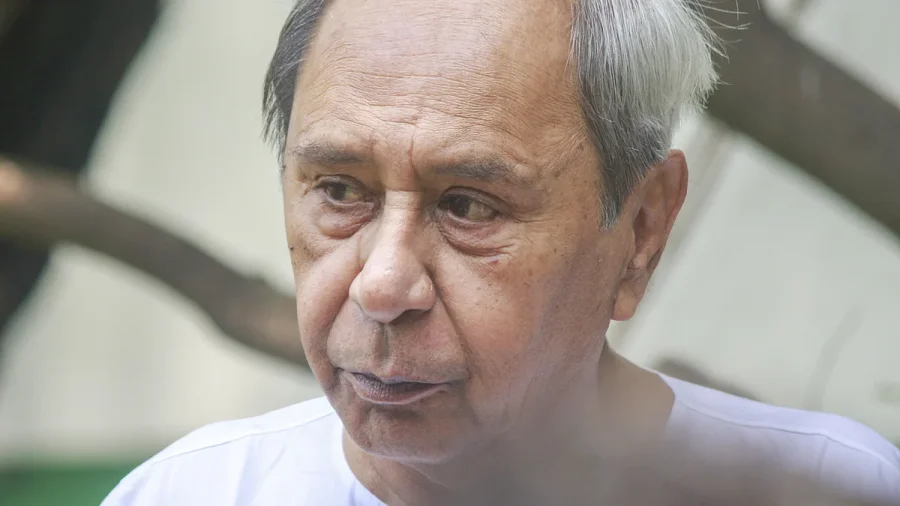

BJD president and Odisha Leader of Opposition Naveen Patnaik has strongly criticized the passage of the Mines and Minerals (Development and Regulation) Amendment Bill 2026, calling it a "black day" for the state. He has urged Odisha's BJP MPs to reconsider their support for the legislation.
Patnaik's Letter to BJP MPs Over MMDR Amendment Bill
In a letter addressed to Odisha's BJP MPs on Saturday, Patnaik said the amendment would have "far-reaching adverse implications" for the state. He argued that Odisha would be among the worst affected by the changes brought in by the Bill.
The Bill, which was passed by the Lok Sabha during the Monsoon Session, contains provisions aimed at restricting state governments from imposing uneven taxes, cesses, and levies on mineral rights and mineral-bearing lands. This is a significant shift in how mineral resources are governed, and Patnaik believes it hurts Odisha's interests directly.
Why the Amendment Matters for Odisha
Odisha is one of India's largest mineral-producing states, and the new restrictions could limit its ability to generate revenue from its natural resources. Patnaik questioned the manner in which the legislation was passed, pointing out that the process did not adequately consider the concerns of mineral-rich states like Odisha.
The BJD chief's criticism centers on the belief that the central government is overstepping its bounds by curbing state authority over mineral taxation. For a state that relies heavily on mining revenue, this could have long-term financial consequences.
"Black day for Odisha." — Naveen Patnaik, BJD president and Odisha Leader of Opposition
Our Take: A Genuine Concern or Political Posturing?
To put it plainly, Patnaik's strong words reflect a real and understandable worry for Odisha's fiscal health. Mineral-rich states have long argued that they deserve more control over their resources, not less. The MMDR Amendment Bill, as described, appears to centralize power in a way that could reduce state revenues.
However, the timing and tone of the criticism also carry political weight. Patnaik is the Leader of Opposition, and targeting BJP MPs directly is a clear political move. That does not make his concerns invalid, but it does mean readers should see this as both a policy dispute and a political battle.
For the people of Odisha, the key question is simple: will this Bill actually hurt the state's finances, or is it a necessary reform to create uniform tax rules across the country? The answer will determine whether Patnaik's "black day" warning becomes reality or just rhetoric.