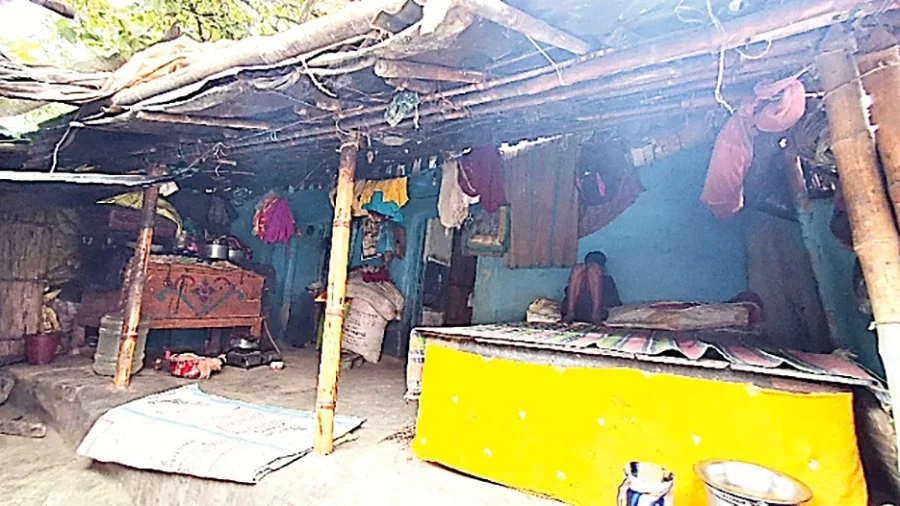

Jalil Akhtar's days in hell are rooted in Rasakhowa, one of the oldest and largest weekly markets in north Bengal's Uttar Dinajpur district. This market, known for its Sunday haat day, was once a bustling hub where buyers and sellers came from far and wide. At its heart was the gorur haat, or cattle market, spread across an enormous tract of land. It was here that farmers, householders, cattle-rearers, milkmen, and butchers gathered to buy and sell animals.
The Rise and Role of Rasakhowa's Cattle Market
The cattle market was not just a place of trade; it was a vital part of the agrarian economy of Karandighi's villages. Each person had their own method of judging a cow or bullock—some inspected teeth, others slapped and felt the animal's flanks. The tumult of the Sunday cattle market was a defining feature of the region. Around it, other sections of the market flourished: fruits and vegetables, jute, paddy and rice, and pulses, especially the roasted mashkalai dal, also known as urad.
Jalil Akhtar's Ordeal
While the original story does not detail the specific events of Jalil Akhtar's days in hell, it is clear that his experiences are deeply connected to this market and its decline. The market, once a lifeline for the community, has become the backdrop for his suffering. The story hints at a larger crisis affecting the agrarian economy and the people who depended on it.
Our Take: The Human Cost of a Fading Market
In our view, Jalil Akhtar's story is a reminder of how economic shifts can devastate individuals and communities. The decline of Rasakhowa's cattle market is not just a loss of trade; it is a loss of identity and livelihood for countless people. While the full details of Akhtar's ordeal remain unclear, his days in hell symbolize the broader struggles of those who once thrived in this market. To put it plainly, this is a story of survival in the face of systemic neglect and economic change. Readers should see this as a call to pay attention to the hidden costs of progress and the resilience of those left behind.