
President Trump has imposed tariffs up to 100 percent on drones that are "particularly sensitive" for national security. The move targets imported drones and their components, marking a significant escalation in trade restrictions on unmanned aerial vehicles.
Trump Tariffs on Imported Drones and Components
The new tariffs apply to a range of imported drones, with rates reaching as high as 100 percent for those deemed most sensitive. According to Yahoo News, Trump announced tariffs of up to 100% on imported drones, signaling a hardline approach to protecting national security interests.
The proclamation covers not just complete drones but also their components. As reported by EChina News, Trump signed a proclamation to impose tariffs ranging from 10% to 100% on imported drones and their components, citing national security as the primary justification.
What "Particularly Sensitive" Drones Means
The designation of "particularly sensitive" drones appears to target heavier and more advanced unmanned aircraft systems. According to Engadget, the tariffs specifically apply to drones that are "particularly sensitive" for national security, suggesting a focus on models with advanced capabilities.
"President Trump has imposed tariffs up to 100 percent on drones that are 'particularly sensitive' for national security." — Engadget via X
The announcement covers both the drones themselves and their components, as highlighted by Engadget via Instagram, which noted that Trump announced tariffs of up to one-hundred-percent on imported drones and their components, particularly those sensitive for national security.
Impact on Drone Industry and Buyers
This tariff structure creates a tiered system where less sensitive drones face lower rates starting at 10%, while the most sensitive models face the maximum 100% tariff. The proclamation's broad scope means both commercial and potentially government-related drone purchases could be affected.
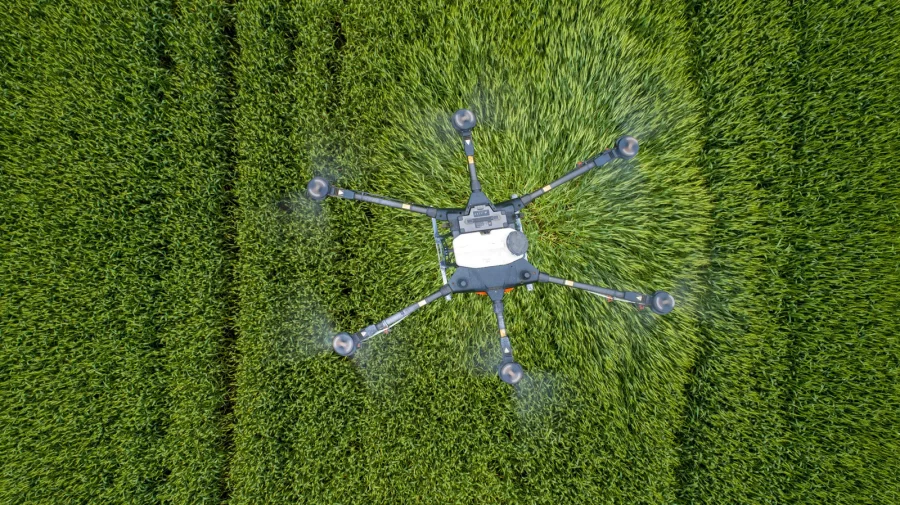
For businesses and consumers who rely on imported drones, this could mean significantly higher costs for high-end models. The 100% tariff effectively doubles the price of sensitive drones, which could reshape purchasing decisions across industries that use drones for surveillance, agriculture, delivery, and other applications.
Our Take: A Bold Move With Clear Intent
To put it plainly, this is a strong signal from the Trump administration about how it views drone technology. The 100% tariff on sensitive drones is not just about trade — it is about controlling access to technology that could pose national security risks.
In our view, the tiered approach — from 10% to 100% — shows careful thinking. Not all drones are equal, and the administration appears to be targeting the most advanced systems while allowing cheaper, less capable models to enter with lower tariffs. This gives the government leverage over the drone supply chain without completely cutting off the market.
The real question is how this affects American businesses and consumers. Higher tariffs usually mean higher prices, and for drones that are already expensive, a 100% tariff could push them out of reach for many buyers. That is a trade-off the administration seems willing to accept in the name of national security.
What remains to be seen is how other countries respond and whether this leads to broader trade tensions. For now, the message is clear: when it comes to sensitive drone technology, the United States is putting security first.