
Summary
Many African nations are currently facing a major energy crisis due to the ongoing war involving Iran. This conflict has blocked important shipping routes and slowed down the global supply of oil and gas. As a result, several countries are now forced to ration electricity and find ways to make their limited fuel supplies last longer. These emergency measures are being used to prevent a total economic collapse as fuel prices climb to record highs.
Main Impact
The biggest impact of this crisis is the sudden lack of affordable fuel and electricity across the continent. Because many African countries buy their refined petrol from international markets, any trouble in the Middle East quickly leads to empty gas stations. In cities and rural areas alike, the cost of moving goods has doubled, making food and basic supplies much more expensive for the average person. Factories are also slowing down because they do not have enough power to run their machines all day.
Key Details
What Happened
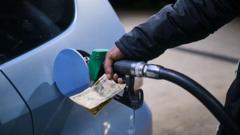
The war has made it very difficult for oil tankers to move through the seas near Iran. This area is a main path for the world’s oil supply. When the tankers stopped moving regularly, the amount of petrol reaching African ports dropped sharply. To deal with this, some governments have started mixing petrol with other liquids, like ethanol, to stretch the supply. Others have introduced "load shedding," which means turning off the power in certain neighborhoods for several hours every day to save energy.
Important Numbers and Facts
In some East African nations, the price of petrol has gone up by more than 40% in just a few weeks. In West Africa, major cities are reporting power cuts that last between 10 and 15 hours a day. Reports show that nearly 70% of small businesses in these regions are struggling to stay open because they cannot afford the high cost of running backup generators. Additionally, shipping costs for bringing goods into African ports have increased by 30% due to higher insurance rates for ships traveling near conflict zones.
Background and Context
This situation is difficult because of how the energy market works in Africa. Even though some African countries produce their own crude oil, they often do not have enough working refineries to turn that oil into petrol. This means they have to send their oil away and buy it back as fuel. When a war happens in a place like Iran, it breaks the chain that brings that fuel back to Africa. For years, experts have warned that relying on fuel from far away makes African economies very weak when global fights break out. Now, that weakness is causing real problems for millions of people who just want to get to work or keep their lights on at night.
Public or Industry Reaction
People are very worried and, in some places, quite angry. Taxi and truck drivers have held protests because they can no longer make a profit with such high fuel prices. Business leaders are calling on governments to find new sources of energy quickly. Some industry experts are worried that diluting petrol with too much ethanol or other additives will damage car engines, leading to even more costs for vehicle owners. Meanwhile, families are switching back to using charcoal or wood for cooking because they cannot get or afford cooking gas, which is also tied to the oil market.
What This Means Going Forward
In the short term, life will remain difficult as long as the war continues to block oil routes. Governments will likely keep rationing power to ensure hospitals and essential services stay open. In the long term, this crisis might push African nations to build more of their own oil refineries so they do not have to rely on imports. There is also a growing talk about moving faster toward solar and wind power. If countries can produce their own energy at home, they will not be as hurt by wars happening in other parts of the world.
Final Take
The current energy struggle shows that global events can have a deep impact on local lives thousands of miles away. While rationing and mixing fuel are helpful for now, they are not permanent fixes. The real solution lies in building stronger, more independent energy systems within Africa. Until then, the focus remains on managing the daily shortages and trying to keep the cost of living from rising even further.
Frequently Asked Questions
Why is a war in Iran causing power cuts in Africa?
The war disrupts global oil supplies and raises prices. Many African power plants use fuel to generate electricity, and when fuel is scarce or too expensive, the plants have to shut down for parts of the day.
Is it safe to use diluted petrol in cars?
While mixing small amounts of additives like ethanol is common, over-diluting petrol can cause engine problems over time. Drivers are being told to be careful, but many have no other choice when fuel is hard to find.
How long will the fuel rationing last?
Rationing is expected to continue as long as the conflict in the Middle East keeps oil prices high and supplies low. Most experts believe it will take several months for the market to become stable again after the fighting stops.