
Summary
Financial markets are sending a surprising signal as the conflict between the United States and Iran continues. Even though oil prices have climbed above $102 per barrel, bond yields are actually falling. This shift suggests that investors are now more worried about a major economic slowdown than they are about rising prices. While high energy costs usually lead to higher interest rates, Wall Street now believes the current oil crisis will hurt the economy so much that the Federal Reserve may need to cut rates to help growth.
Main Impact
The most significant change is how investors view the future of the economy. For months, the main concern was inflation and how the government would fight it. Now, the focus has shifted toward a potential recession. When oil prices get too high, they act like a heavy tax on families and businesses. People spend so much on gas and heating that they stop buying other things. This drop in spending can cause the economy to shrink. Because of this, the interest rates on government bonds are dropping as investors look for safety and prepare for a weaker economy.
Key Details
What Happened
The situation changed quickly as the war with Iran made energy markets unstable. Iran currently controls the Strait of Hormuz, which is a narrow water path used to ship one-fifth of the world’s oil and natural gas. President Trump has tried to calm the markets with social media posts claiming that talks are going well, but investors are not convinced. Instead of prices going down, oil has continued to get more expensive. At the same time, the yield on the 10-year Treasury bond fell significantly, showing that the market is bracing for a downturn.
Important Numbers and Facts
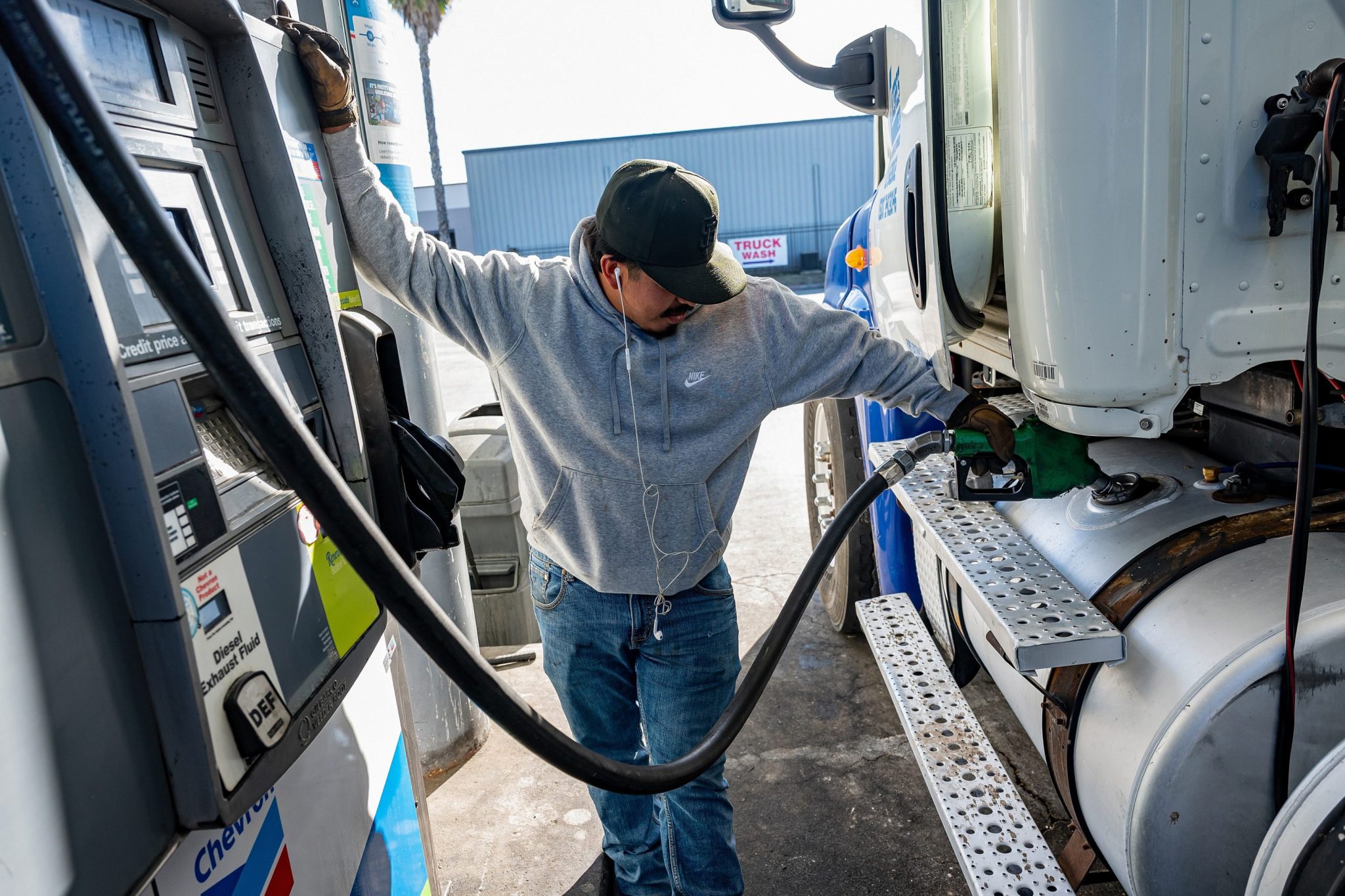
The price of West Texas Intermediate oil rose by 2.7% to reach more than $102 a barrel. Brent crude, the international standard, went up to over $114. These high oil prices have hit drivers hard at the pump. The average price for a gallon of regular gasoline is now $3.99, which is about a dollar more than it was just one month ago. Even worse is the price of diesel, which has jumped to over $5.41 per gallon. Since diesel is used by trucks and ships to move food and products, this increase will likely make almost everything more expensive to buy.
Background and Context
To understand why this matters, you have to look at how oil and the economy work together. Usually, when oil prices go up, everything else gets more expensive, which is called inflation. To stop inflation, the Federal Reserve usually raises interest rates. However, if oil prices stay too high for too long, they cause "demand destruction." This means people and companies simply cannot afford to keep buying things. When demand falls off a cliff, the risk of a recession becomes much higher than the risk of inflation. The current military buildup in the Middle East is making these fears worse, as there is no clear sign that the oil supply will return to normal soon.
Public or Industry Reaction
Experts from major financial firms are warning that the situation is reaching a breaking point. Analysts from Oxford Economics noted that the risks to economic growth are now more important than the risks of inflation. Michael Brown, a strategist at Pepperstone, mentioned that investors are no longer listening to political promises. They want to see real proof that the war is ending before they believe prices will drop. Bank of America researchers also pointed out that while oil between $80 and $100 might cause the Fed to raise rates, prices above $100 actually make a recession more likely, which would force the Fed to do the opposite.
What This Means Going Forward
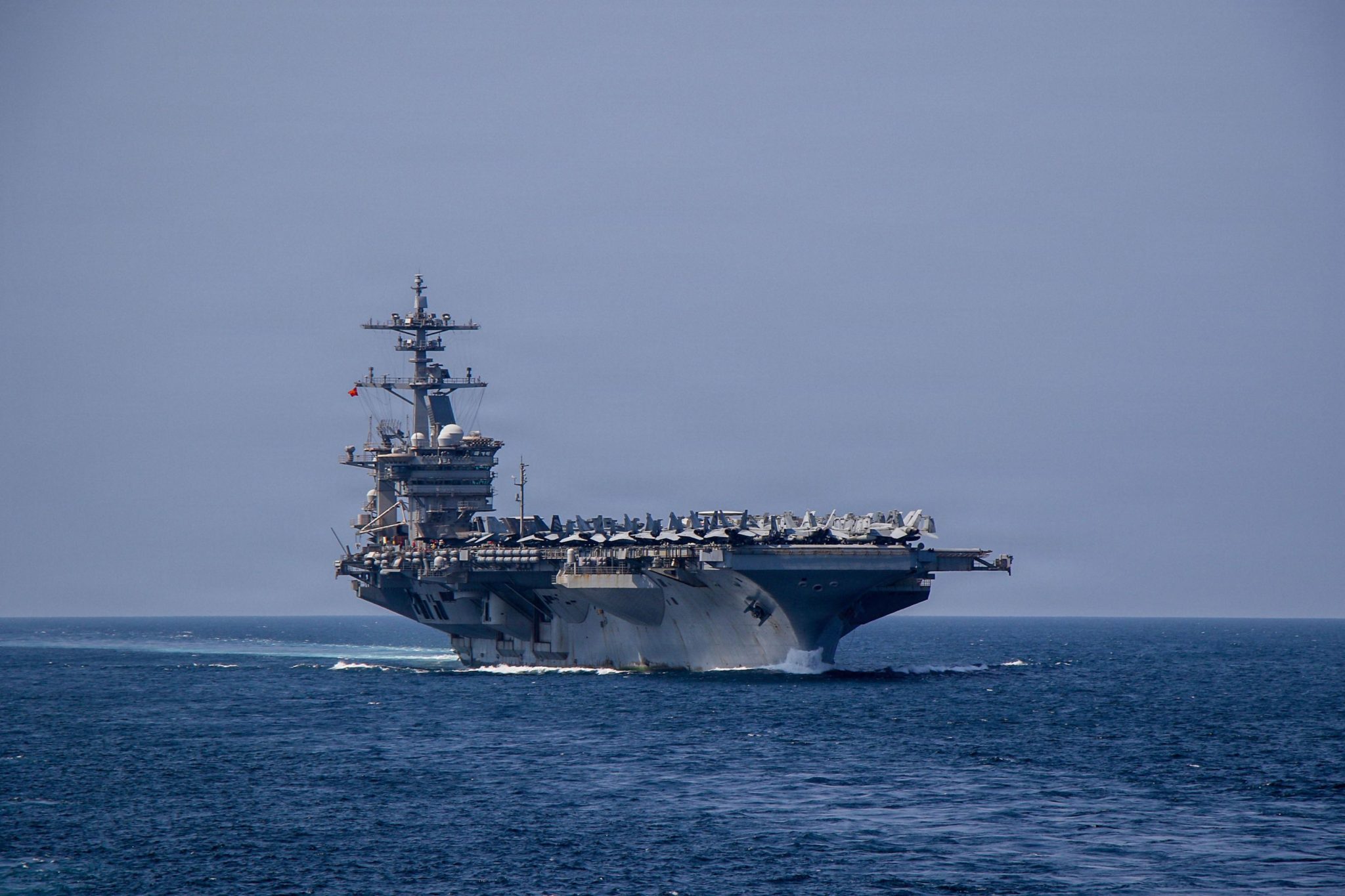
The next few weeks will be critical as the military situation develops. About 2,500 U.S. Marines have arrived in the Middle East, and more are on the way. The goal is to reopen the Strait of Hormuz, but this could lead to more fighting. There is also a risk that other groups, like the Houthis in Yemen, could attack ships in the Red Sea. If that happens, the main backup route for oil would be blocked, sending prices even higher. For the average person, this means gas prices will likely stay high, and the chance of a job market slowdown is increasing as companies deal with higher costs and lower sales.
Final Take
The bond market is telling us that the economy cannot handle $100 oil for very long. While the government is focused on the war and energy supplies, investors are looking at the bigger picture. They see an economy that is starting to buckle under the weight of high fuel costs. If the conflict does not end soon, the conversation will move away from high prices and toward how to survive a deep recession.
Frequently Asked Questions
Why are bond yields falling if oil prices are going up?
Usually, high oil prices mean higher inflation and higher yields. However, yields are falling now because investors fear the high cost of oil will cause a recession. They are moving their money into bonds for safety, which pushes yields down.
How does the war with Iran affect my daily life?
The war has caused gas and diesel prices to spike. This makes it more expensive to drive your car and increases the cost of shipping goods, which can lead to higher prices for groceries and other household items.
What is the Strait of Hormuz and why is it important?
It is a narrow waterway that connects the Persian Gulf to the rest of the world. About 20% of the world's oil and natural gas passes through it. Because Iran controls this area, any conflict there can stop the flow of energy and cause global prices to skyrocket.