
Summary
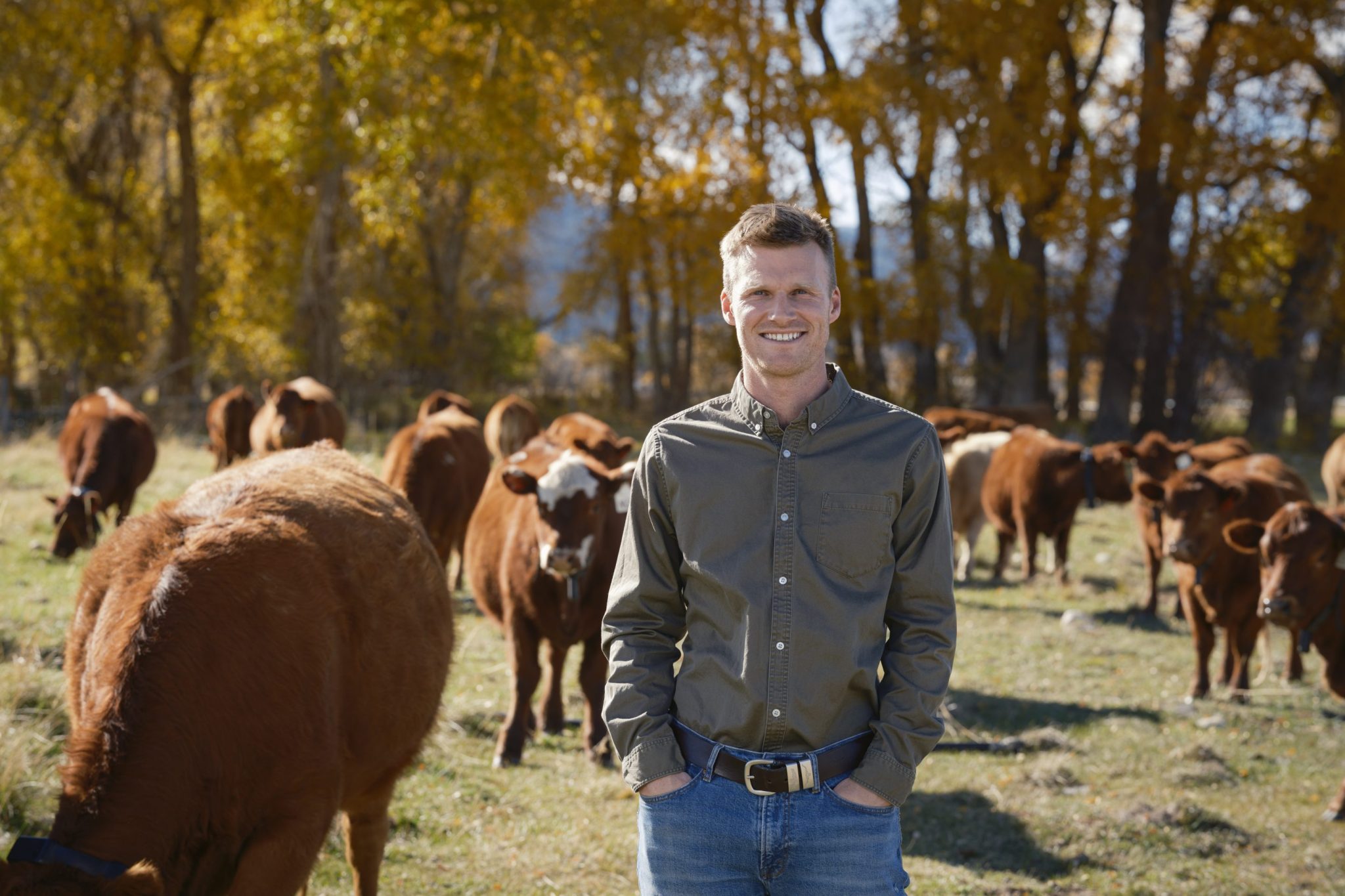
Craig Piggott, a former dairy farmer from New Zealand, is using artificial intelligence to change the way cattle ranching works. His company, Halter, uses solar-powered smart collars to track and move cows automatically. This technology helps farmers save hours of manual labor every day and improves the health of their animals. With new financial backing from major investors, the company is now worth $2 billion and is expanding its reach to ranches around the world.
Main Impact
The introduction of AI into ranching is solving some of the oldest problems in agriculture. By using what the company calls a "cowgorithm," farmers can now manage their herds from a smartphone app. This shift reduces the need for physical fences and constant manual checks. For an industry struggling with rising costs and unpredictable weather, this technology provides a way to stay profitable. It allows ranchers to produce more with less help, which is vital as labor becomes harder to find and more expensive.
Key Details
What Happened
Halter recently secured $220 million in a new round of funding. This investment was led by Founders Fund, a venture capital firm started by Peter Thiel. The company’s main product is a smart collar that fits around a cow's neck. These collars use sound and small vibrations to guide cows to different parts of a pasture. This creates "virtual fences," meaning farmers no longer have to spend hours setting up or repairing wire fences. The collars also collect data on how much each cow eats, how much it moves, and when it is ready to give birth.
Important Numbers and Facts
The company is now valued at $2 billion following its latest funding success. For farmers, the service costs about $9.90 per cow every month. While this can be expensive for large herds, the time savings are significant. One rancher in Kansas reported that the system saves him about six hours of work every day. On a global scale, the agricultural technology market is expected to grow to $34 billion by the year 2034. In 2025 alone, tech firms in this sector raised $7 billion to help modernize farms.
Background and Context
Farming has always been a job with very long hours and physical demands. Craig Piggott grew up doing this work and realized that technology was not helping farmers as much as it was helping other industries. Most farmers still rely on methods that have not changed in decades. Today, the pressure on agriculture is higher than ever. Changes in the climate lead to more droughts and floods, which make it harder to grow grass and raise healthy cattle. Additionally, global conflicts have caused the price of energy and fertilizer to go up. These factors make it necessary for farmers to find more efficient ways to run their businesses.
Public or Industry Reaction
Ranchers who have used the technology are calling it a major breakthrough. Daniel Mushrush, who runs a large ranch in Kansas, compared the invention of smart collars to the invention of barbed wire. He noted that the technology allows him to be more competitive against wealthy land buyers. By using the app to move his cattle at 4 a.m. while he is still asleep, he can start his day with less stress. Other industry experts see this as a way to make farming more modern. They believe that adding high-tech tools will encourage younger people to take over family farms instead of leaving for jobs in the city.
What This Means Going Forward
Halter is not stopping with smart collars. The company is looking into using drones that work with AI to help with other farm chores. These drones could fly over large areas of land to look for water leaks or count hay bales. The goal is to create a fully connected farm where most of the routine tasks are handled by machines. However, there are still challenges to overcome. The high cost of the collars is a barrier for some smaller farms. Also, different types of cattle and different types of land can change how the AI performs. The company will need to continue updating its software to work in every environment.
Final Take
The success of Halter shows that even the most traditional industries can benefit from modern technology. By combining the hard-earned lessons of farm life with the power of artificial intelligence, Craig Piggott has created a tool that gives ranchers their time back. As the world needs more food and faces more environmental challenges, these smart systems will likely become a standard part of life on the ranch.
Frequently Asked Questions
How do the smart collars move the cows?
The collars use sound cues and gentle vibrations to teach cows where to go. If a cow gets too close to a virtual boundary, the collar makes a sound. If the cow continues, it feels a small vibration, which encourages it to turn back or move to the correct area.
Is the technology expensive for farmers?
The service currently costs around $9.90 per cow per month. For a ranch with a thousand cows, this is a large monthly expense. However, many farmers find the cost is worth it because it saves them several hours of labor and reduces the need for expensive physical fencing.
What kind of data does the AI track?
The "cowgorithm" monitors many health signs. It tracks how much a cow is eating, its daily movement patterns, and its recovery after giving birth. This data helps farmers spot sick animals early and ensures that calves get the best grass to help them grow faster.