
Summary
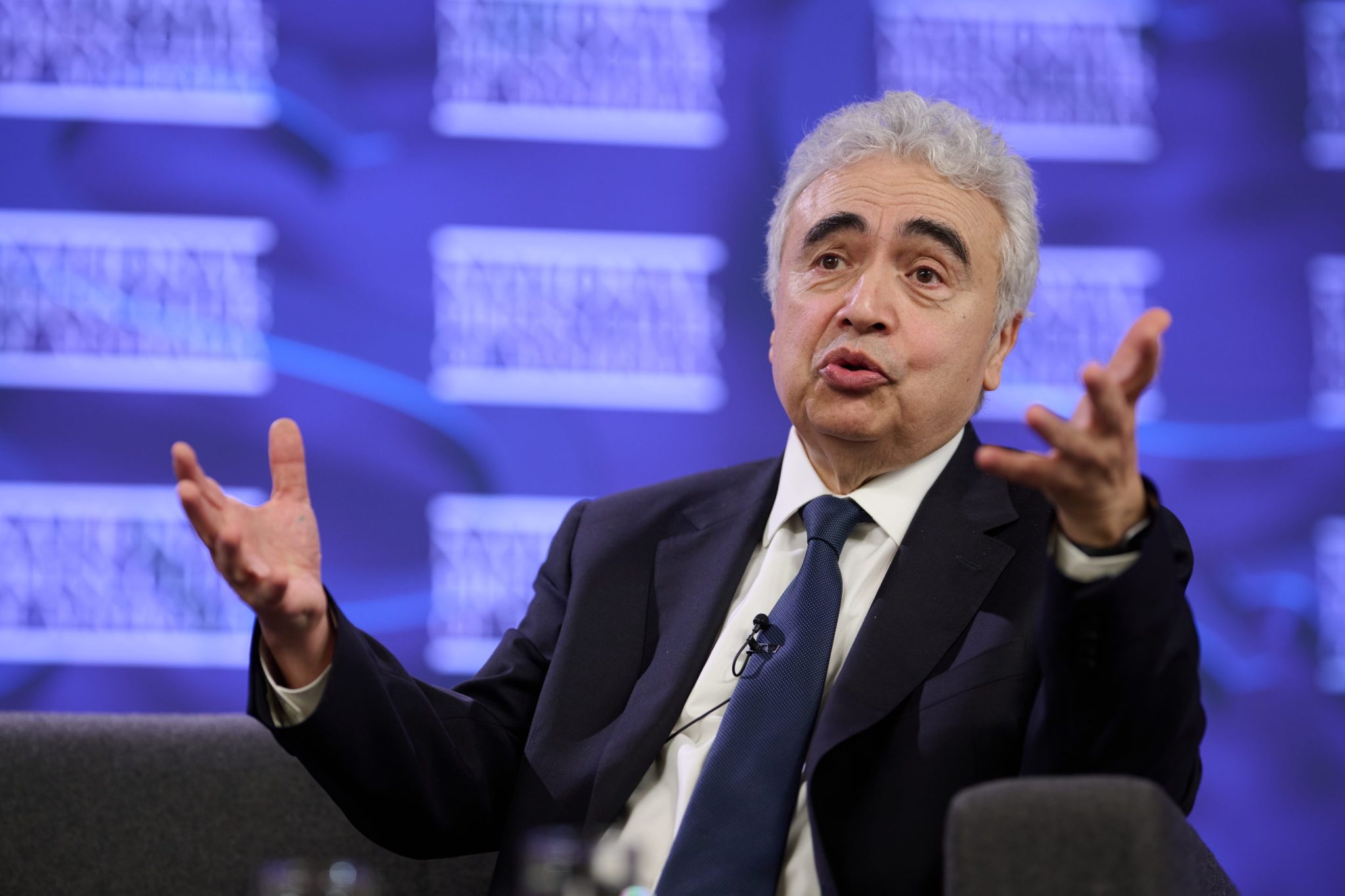
The head of the International Energy Agency (IEA), Fatih Birol, has issued a stern warning regarding the current energy crisis caused by the war in Iran. He describes the situation as the most severe energy shock the world has ever seen, surpassing the famous oil crises of the 1970s. This crisis is not just about oil; it combines massive losses in both oil and natural gas supplies at the same time. Birol believes that many world leaders do not yet fully understand how deep and dangerous this problem has become for the global economy.
Main Impact
The primary impact of this crisis is the sheer volume of energy removed from the global market. The world is currently missing 11 million barrels of oil every single day. To put this in perspective, this loss is greater than the two major oil shocks of the 1970s combined. Additionally, the natural gas market has seen a loss of 140 billion cubic meters, which is nearly double the amount lost during the energy crisis following the invasion of Ukraine in 2022. This double blow to both oil and gas is creating a situation that the modern economy has never had to navigate before.
Key Details
What Happened
The conflict involving Iran has led to a massive shutdown of energy production and transport. In response, the IEA recently took the record-breaking step of releasing 400 million barrels of oil from emergency reserves to try and keep prices from spiraling out of control. Despite these efforts, oil prices have remained very high. While there was a brief 10% drop in prices after news of potential talks between the U.S. and Iran, the market remains unstable. Experts fear that if the war continues to damage energy sources, prices could climb high enough to stop economic growth entirely.
Important Numbers and Facts
The scale of the crisis can be seen in the following data points:
- 11 Million Barrels: The amount of oil lost daily, exceeding the 10 million barrels lost during the 1973 and 1979 crises combined.
- 140 Billion Cubic Meters: The amount of natural gas lost, compared to 75 billion during the Ukraine crisis.
- $110 Per Barrel: The peak price Brent oil reached last week.
- 40 Energy Assets: The number of refineries, pipelines, and gas fields across nine countries that have been severely damaged by the fighting.
- 400 Million Barrels: The amount of emergency oil released by the IEA to help stabilize the market.
Background and Context
In the 1970s, oil shortages changed how the world functioned. Governments introduced speed limits and carpooling lanes to save fuel, and car companies began making vehicles that used less gas. Those events were considered the gold standard for energy disasters until now. The current situation is different because the global economy is much more connected. We rely on specific regions not just for fuel, but for the chemicals and materials needed to grow food and manufacture goods. The Strait of Hormuz, a narrow waterway near Iran, is a vital path for these goods. When this path is blocked or threatened, it affects everything from the price of bread to the production of high-tech electronics.
Public or Industry Reaction
Economists are deeply worried about how these energy costs will spread to other parts of life. High oil prices make it more expensive to transport goods, which leads to higher prices at grocery stores. There is also a major concern regarding fertilizer. About half of the world’s supply of urea, a key ingredient for fertilizer, moves through the region currently at war. If farmers cannot get affordable fertilizer, food prices will rise even further. Financial experts also suggest that the Federal Reserve may have to raise interest rates instead of cutting them, as they struggle to control the inflation caused by these rising costs. While President Trump has mentioned a five-day pause in strikes to allow for talks, many industry experts remain skeptical that a quick fix is possible.
What This Means Going Forward
Even if the war were to end tomorrow, the energy crisis would not disappear immediately. The physical damage to infrastructure is extensive. With 40 major energy sites damaged or destroyed, it will take months or even years to repair the pipelines and refineries needed to bring production back to normal levels. This means that high energy prices could be a long-term problem rather than a short-term spike. Governments may need to look at drastic measures to reduce energy use, similar to the policies seen in the 1970s. The risk of a global recession remains high if oil prices reach the predicted $140 per barrel mark, which could bring many industries to a complete standstill.
Final Take
The world is facing an unprecedented challenge that combines the worst parts of previous energy shocks into one massive event. The damage to infrastructure and the disruption of vital supply chains mean that the effects of this war will be felt in every household for a long time. Leaders must recognize that this is not a typical market fluctuation, but a fundamental shift in global energy security that requires immediate and serious action.
Frequently Asked Questions
Why is this oil crisis worse than the ones in the 1970s?
It is worse because the volume of oil lost is higher—11 million barrels a day now versus 5 million in each 1970s crisis. It also involves a massive loss of natural gas, which was not as big a factor in the 1970s.
How does the war in Iran affect food prices?
The war disrupts the supply of urea and other chemicals used to make fertilizer. When fertilizer becomes expensive or hard to find, the cost of growing crops like corn increases, leading to higher prices for food in stores.
Will oil prices go down if the war ends soon?
Prices may not drop immediately because many refineries, pipelines, and oil fields have been physically damaged. It will take significant time and money to repair these facilities before they can produce oil at full capacity again.