
Summary
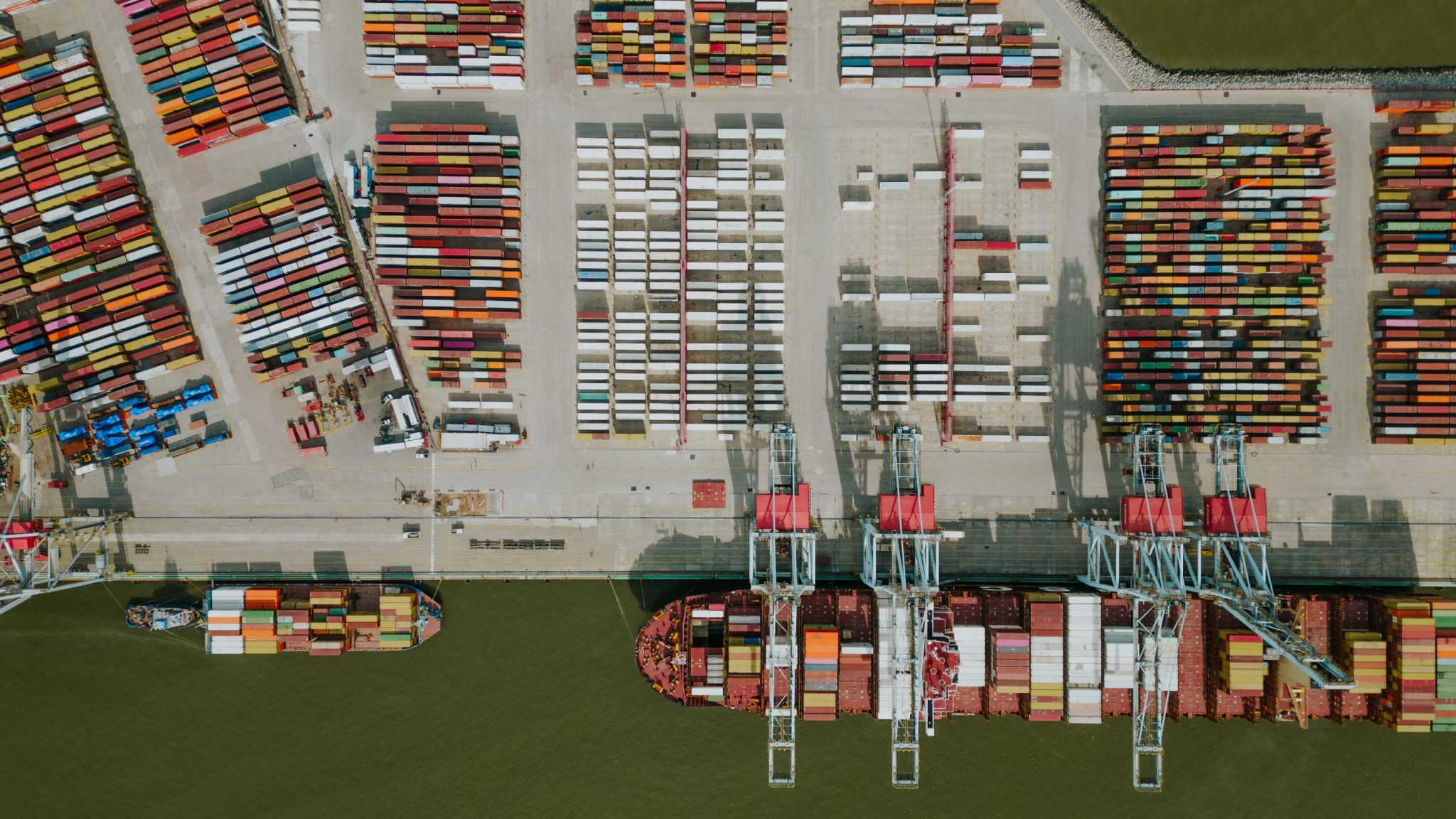
The European Union and four South American nations have officially agreed to start a massive trade deal on May 1, 2026. This agreement comes after 25 years of difficult talks and delays. By connecting the EU with Argentina, Brazil, Paraguay, and Uruguay, the deal creates one of the largest trading zones in the world. It aims to help Europe grow its economy and become less dependent on trade with China and the United States during a time of global conflict and economic trouble.
Main Impact
This trade deal is a major shift for the global economy. It links more than 700 million people across two continents. Together, these nations produce about 25% of the world’s total economic output. For European companies, this means it will be much easier and cheaper to sell cars, machinery, and chemicals to South America. For South American countries, it opens up a huge market for their farm products and natural resources. The timing is also important because it helps the EU find new partners while trade relations with other big powers are becoming more difficult.
Key Details
What Happened
The final step for the deal happened this week when Paraguay sent an official notice to the European Commission. This notice confirmed that Paraguay had approved the agreement. With this last piece of paperwork, the EU announced that the deal would start in just a few weeks. To make sure the deal moved forward quickly, the European Commission decided to start it "provisionally." This means they are putting the deal into action now while legal and political discussions continue in the background.
Important Numbers and Facts
- 25 Years: The length of time it took to finish the negotiations.
- 700 Million: The number of people living in the countries covered by the deal.
- May 1, 2026: The date when the trade agreement officially begins.
- Four Nations: The South American members are Argentina, Brazil, Paraguay, and Uruguay.
- New Member: Bolivia recently joined the South American group and may join this trade deal in the future.
Background and Context
The EU-Mercosur deal has been in the works since the late 1990s. It was delayed many times because of concerns about the environment and fair competition. Many people in Europe were worried that the deal would lead to more cutting down of trees in the Amazon rainforest. Others were worried that cheap beef and crops from South America would hurt European farmers who have to follow stricter rules. However, recent events have changed the situation. With the war in Iran and new taxes on trade being introduced by other countries, European leaders felt they could no longer wait to secure new trade partners.
Public or Industry Reaction
The reaction to the news has been mixed. European Commission President Ursula von der Leyen praised the deal, saying it is necessary for Europe to survive and grow in a changing world. However, some leaders are not happy. French President Emmanuel Macron called the decision to start the deal a "bad surprise." France and Poland have been the strongest critics, arguing that the deal does not do enough to protect local farmers or the environment. Farmers in several European countries have held protests, fearing that they will not be able to compete with the lower prices of South American goods.
What This Means Going Forward
Starting May 1, businesses will begin to see lower taxes and fewer rules when trading between these regions. This should lead to lower prices for some goods and more jobs in export industries. However, there is still a legal hurdle. Because the EU executive branch decided to bypass a full vote in the European Parliament for now, the matter has been sent to the European Court of Justice. If the court decides that the process was not handled correctly, the deal could be paused or changed. For now, the EU is moving ahead with other trade talks, including discussions with Australia to secure minerals needed for green energy and technology.
Final Take
The start of the EU-Mercosur deal marks the end of a long and difficult journey. It shows that despite strong internal disagreements, European leaders are prioritizing economic security and new alliances. By opening up trade with South America, the EU is trying to protect itself from global instability. Whether this deal brings the promised growth or causes more political tension at home will depend on how the new trade rules are managed in the coming years.
Frequently Asked Questions
Which countries are involved in the EU-Mercosur deal?
The deal involves the 27 countries of the European Union and four South American countries: Argentina, Brazil, Paraguay, and Uruguay. Bolivia is expected to join later.
Why did it take 25 years to sign the deal?
The deal was delayed by concerns over environmental protection in South America and fears that European farmers would face unfair competition from cheaper imports.
Can the deal still be stopped?
Yes. While the deal starts on May 1, the European Court of Justice is reviewing the process. If the court rules against how the deal was started, it could be halted.