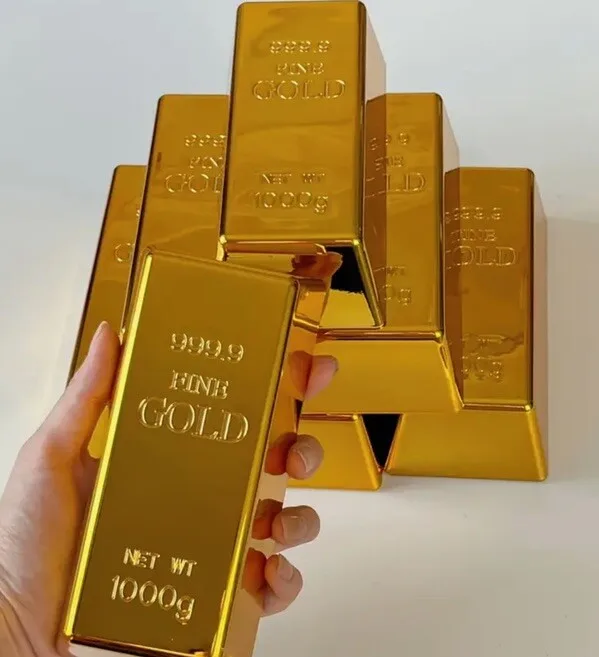

Summary
Gold and silver prices dropped on Tuesday as global worries about conflicts in Iran and Russia began to fade. When international tensions go down, investors often move their money out of safe assets like gold and into riskier options like stocks. This shift, combined with a stronger US dollar, caused a noticeable decline in the value of precious metals during early market hours. This change marks a break from the high prices seen during recent weeks of global uncertainty.
Main Impact
The primary impact of this price drop is a change in how investors view safety. For a long time, gold was the preferred choice for people worried about war or political trouble. Now that the situation in the Middle East and Eastern Europe seems more stable, the "fear factor" that kept prices high is losing its power. This has led to a sell-off in the metals market, affecting not just gold but also silver and platinum.
Another major impact comes from the strength of the US dollar. Because gold is traded globally in dollars, a stronger dollar makes the metal more expensive for people using other currencies. This usually leads to lower demand, which pushes prices down even further. For local buyers in places like India, the combination of falling gold prices and a weaker local currency creates a complex situation for personal savings and jewelry purchases.
Key Details
What Happened
On Tuesday morning, the market saw a clear trend of falling prices across the board for precious metals. This happened because news reports suggested that the immediate risks of major conflict in Iran and Russia were decreasing. As the sense of emergency went away, the demand for "safe-haven" assets dropped quickly. Traders started selling their gold and silver holdings to lock in profits or move their money into different types of investments.
Important Numbers and Facts
The price changes were significant across several different metals and currencies. Here are the key figures from the early trading session:
- Spot Silver: The price of silver fell by 1.6%, bringing it down to $75.33 per ounce.
- Spot Platinum: Platinum prices also took a hit, dropping 1.3% to reach $2,014.08 per ounce.
- The Rupee: The Indian currency weakened by 0.1%, trading at 90.76 against the US dollar.
- Gold: Gold continued its downward trend as the US dollar gained more strength in the early hours of the day.
Background and Context
To understand why this is happening, it helps to know how the global market works. Gold is often seen as a form of insurance. When there is a threat of war, high inflation, or political problems, people buy gold because they believe it will keep its value better than paper money. This is why it is called a "safe haven." When the world feels more stable, that insurance is not as necessary, so people sell their gold.
The US dollar also plays a huge role. The dollar is the main currency used for international trade. When the US economy looks strong or when interest rates are expected to stay high, the dollar gets stronger. Since gold does not pay interest, a strong dollar and high interest rates make gold look less attractive to big investors. Today’s market movement is a perfect example of these two forces—peace and a strong dollar—working together to lower the price of metals.
Public or Industry Reaction
Market experts and traders are watching these developments closely. Many analysts believe that the market was "overbought," meaning prices had gone up too high too fast because of fear. They see this current drop as a healthy correction. However, some investors remain cautious. They worry that if new problems arise in Iran or Russia, the prices could jump back up just as quickly as they fell.
In the jewelry and retail industry, lower prices are often seen as a good sign. When gold and silver become cheaper, more people are likely to buy them for weddings or gifts. However, the weakening of the rupee might cancel out some of these benefits for buyers in India, as a weaker currency makes imported goods more expensive.
What This Means Going Forward
Looking ahead, the direction of gold and silver will depend on two main things: global peace and the decisions of central banks. If the situation in Russia and Iran stays calm, gold may not see a big price increase anytime soon. Investors will instead focus on economic data, such as inflation reports and job numbers from the United States.
The next big event to watch is the meeting of the US Federal Reserve. If they decide to keep interest rates high, the dollar will likely stay strong, which will keep pressure on gold prices. On the other hand, if there is any sign of new trouble in the world, gold could quickly become the favorite asset once again. For now, the market seems to be moving back to a more normal state where economic facts matter more than political fears.
Final Take
The current drop in gold and silver prices shows that the global market is feeling more confident about the future. While the stronger dollar is making metals cheaper for some and more expensive for others, the overall trend is a move away from the high-stress trading seen earlier this year. Investors should stay alert, as precious metals are known for changing direction quickly when the world news changes.
Frequently Asked Questions
Why is gold falling when there is peace?
Gold is a safe asset that people buy when they are afraid of war. When tensions ease and the world feels safer, people sell their gold to invest in things that grow faster, like company stocks.
How does a strong US dollar affect gold prices?
Gold is priced in US dollars. When the dollar gets stronger, it takes more of other currencies to buy the same amount of gold. This makes gold more expensive for international buyers, which usually leads to lower demand and lower prices.
Is now a good time to buy silver or platinum?
Prices for silver and platinum have dropped recently, which might look like a good deal. However, prices can still change based on the economy and global news, so it is important to watch the market trends before making a big purchase.