
Summary
India is currently seeing a heated political debate over the availability of fuel and cooking gas. The ruling Bharatiya Janata Party (BJP) and the opposition Congress party are at odds regarding how the conflict in West Asia is affecting local supplies. While the government insists that there is plenty of fuel and that prices are under control, the opposition claims that the reality on the ground is much different for regular citizens. This disagreement comes after high-level government meetings aimed at protecting India from the economic shocks of the war.
Main Impact
The tension in West Asia has a direct effect on India because the country relies heavily on oil and gas from that region. If shipping routes are blocked or if oil production slows down, prices in India usually go up. The government is trying to prevent panic by assuring the public that supplies are stable. However, the political clash shows a deep divide in how the situation is being handled. If the opposition is right and shortages are starting, it could lead to higher living costs for millions of families. On the other hand, if the government is right, the current fears may just be temporary worries caused by global news.
Key Details
What Happened
On April 2, 2026, Prime Minister Narendra Modi led a meeting with the Cabinet Committee on Security. This was the second time in less than two weeks that top officials met to talk about the West Asia crisis. The Prime Minister told his team to make sure that the public gets honest and quick information. He wants to stop rumors that could cause people to rush to buy fuel or gas. The government is focusing on keeping the supply chain moving so that petrol pumps and gas agencies do not run dry.
Important Numbers and Facts
The government has held two major review meetings, one on March 22 and another on April 2. To keep prices from rising too fast, the government has already reduced some taxes, known as customs duties, on petroleum products. Officials also stated that ships carrying oil are still moving safely through the Strait of Hormuz. This narrow water path is vital because a large portion of the world's oil passes through it. In some areas, reports suggest that commercial LPG supplies were recently adjusted to 70% to help industries stay active during these shortages.
Background and Context
To understand why this is such a big deal, we have to look at how India gets its energy. India imports most of the oil it uses for cars, trucks, and factories. It also imports a lot of the gas used for cooking in homes. When there is a war involving countries like Iran, it puts these supplies at risk. The Strait of Hormuz is a key point where many oil tankers travel. If this path is closed or becomes dangerous, the cost of shipping goes up, and the amount of oil available goes down. This is why the Indian government is so focused on monitoring the situation every day.
Public or Industry Reaction
The reaction to the current situation is split along political lines. Union Minister Prahlad Joshi told the media that everything is running smoothly and accused the opposition of trying to create fear. BJP leaders say that the Prime Minister is watching the situation closely to protect farmers and regular workers from high costs. They believe the current measures, like tax cuts, are working well.
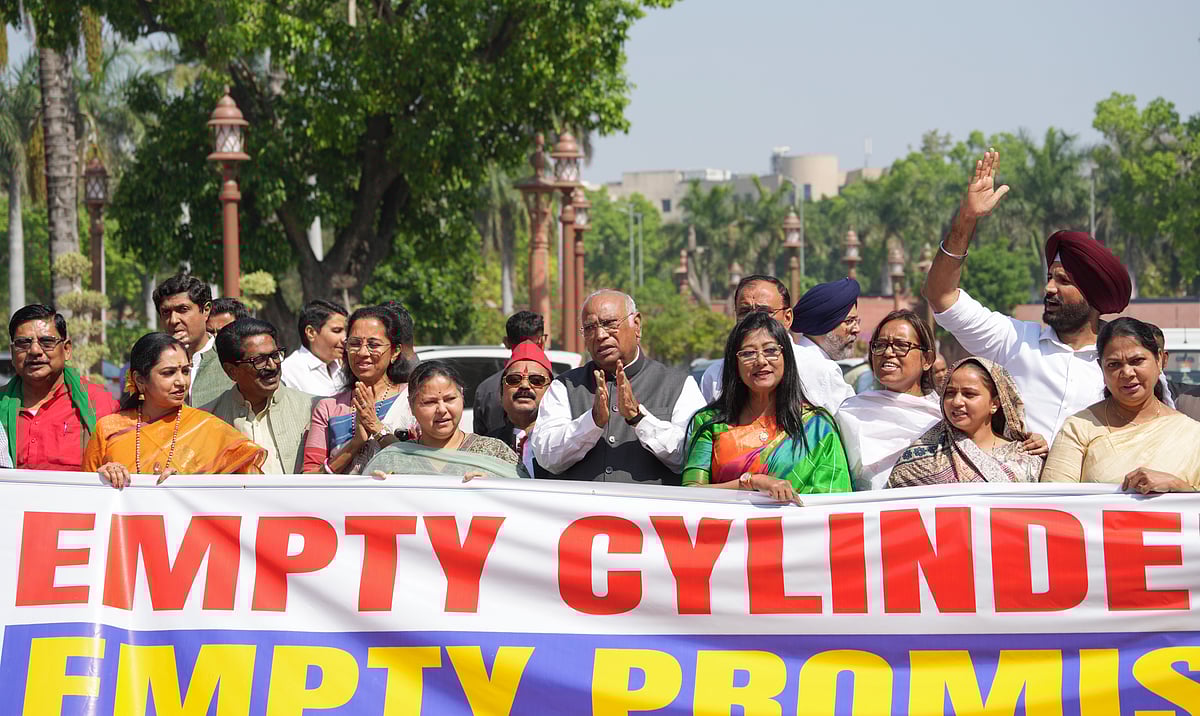
However, Congress leaders like Karti Chidambaram and Manish Tewari disagree. They say that if the situation were truly normal, people would not be struggling to find LPG cylinders. They pointed to reports from cities like Bareilly, where some residents have reportedly gone back to using old kerosene stoves because they cannot get cooking gas. The opposition calls the government’s actions a "band-aid approach," meaning they think the fixes are only temporary and will not solve the long-term problem.
What This Means Going Forward
In the coming weeks, the focus will be on whether fuel prices stay the same or start to climb. The government will likely continue to monitor shipping routes and work with other countries to keep oil flowing. There is also a concern about what happens after the current election cycle. Some opposition members worry that the government is keeping prices low now just for votes and that a big price hike will happen later. If the conflict in West Asia gets worse, India may have to find new ways to get energy or offer more subsidies to help the poor manage the costs.
Final Take
The fight over fuel is more than just a political argument; it is a sign of how global events hit home for every Indian family. While the government is working hard to project an image of stability and safety, the concerns raised by the opposition highlight real fears about the cost of living. The true test will be seen at the petrol pumps and in the availability of cooking gas in small towns across the country. For now, the public must wait to see if the government's plan can truly hold back the pressure of a global crisis.
Frequently Asked Questions
Why are fuel prices a concern in India right now?
Fuel prices are a concern because of the ongoing war in West Asia. India imports a large amount of its oil from that region, and any disruption in supply or shipping can cause prices to rise at home.
What is the Strait of Hormuz and why is it important?
The Strait of Hormuz is a narrow waterway that connects the Persian Gulf with the rest of the world. It is one of the most important oil shipping routes on the planet. If it is blocked, oil supplies to India and other countries could be severely cut.
Is there a real shortage of LPG cooking gas?
The government says there is no shortage and that supplies are stable. However, the opposition and some local reports suggest that people in certain areas are having trouble getting gas cylinders, leading to a debate over the actual ground reality.