
Summary
Recent military actions involving the United States and Israel have led to several strikes on key infrastructure within Iran. Verified video evidence confirms that these attacks have damaged bridges, steel production plants, and pharmaceutical facilities. These events represent a significant shift in the ongoing conflict, as the targets now include sites that are vital to the country’s economy and public health. The destruction of these locations could have long-term effects on how the Iranian people live and how the nation’s industry functions.
Main Impact
The primary impact of these strikes is the direct disruption of Iran’s internal logistics and industrial capacity. By targeting bridges, the military operations have made it much harder for goods and people to move across the country. This creates a bottleneck for both civilian and military transport. Furthermore, hitting steel plants and medicine factories strikes at the heart of Iran’s ability to remain self-sufficient. These actions do not just affect the government; they also impact the daily lives of citizens who rely on these facilities for work and healthcare.
Key Details
What Happened
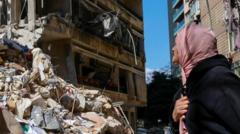
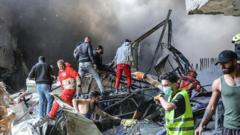
In a series of recent events, several explosions were reported at industrial and transport sites across Iran. News agencies and independent researchers have analyzed videos posted online to confirm the locations of these strikes. The footage shows heavy smoke and significant structural damage at multiple sites. Unlike previous attacks that often focused on secret military bases or nuclear research centers, these strikes hit visible, everyday infrastructure. The precision of the hits suggests the use of advanced technology to ensure specific buildings were destroyed while trying to limit damage to the surrounding areas.
Important Numbers and Facts
The strikes targeted at least three major sectors of the Iranian economy. First, several bridges that serve as main transport links were hit, cutting off primary roads. Second, at least two large steel plants reported fires and structural collapses. Steel is one of Iran’s most important exports and is used heavily in domestic construction. Third, pharmaceutical facilities, which produce essential medicines for the local population, were also damaged. While the exact cost of the damage is still being calculated, experts believe it will take months or even years to fully repair these sites. No official death toll has been confirmed, but the economic loss is expected to be in the millions of dollars.
Background and Context
For many years, there has been a "shadow war" between Iran, Israel, and the United States. Usually, this conflict happens through cyberattacks, small sea skirmishes, or strikes on military leaders in other countries. However, the situation has changed recently. The decision to hit infrastructure like bridges and factories shows that the conflict is becoming more open and direct. The United States and Israel have often expressed concerns that Iran uses its industrial sites to help build weapons or support armed groups in the region. By hitting these targets, they aim to slow down Iran’s ability to produce materials that could be used for military purposes.
Public or Industry Reaction
The reaction to these strikes has been strong on both sides. Iranian officials have condemned the attacks, calling them acts of aggression against civilian life. They argue that hitting medicine factories is a human rights violation because it prevents people from getting the healthcare they need. On the other hand, some military analysts in the West suggest that these strikes are a necessary step to prevent Iran from expanding its influence. They argue that steel plants are often used to create parts for missiles and drones. Within Iran, there is a sense of worry among the public as people fear that the cost of food, transport, and medicine will rise because of the damage.
What This Means Going Forward
Moving forward, these strikes could lead to a cycle of revenge. Iran may look for ways to respond, either through its own military or through groups it supports in other countries. There is also a high risk that the Iranian economy will suffer more. If bridges remain broken, the cost of moving food will go up, leading to higher prices in shops. If medicine plants cannot operate, the country may have to rely more on expensive imports. The international community is watching closely to see if this leads to a full-scale war or if both sides will find a way to stop the violence before it gets worse.
Final Take
The targeting of Iranian infrastructure marks a serious turn in regional tensions. By moving the focus from military targets to industrial and transport sites, the attackers are putting pressure on the very foundation of the Iranian state. While the goal may be to weaken the government’s military power, the immediate result is a more difficult life for the general population. The world now waits to see if diplomacy can fix the situation or if more strikes are on the horizon.
Frequently Asked Questions
What specific types of buildings were hit in Iran?
The strikes targeted bridges used for transport, steel plants used for industry and export, and pharmaceutical facilities that produce medicine.
How do we know these strikes actually happened?
The attacks were confirmed through verified video footage from the locations and satellite images that show the damage to the buildings and bridges.
Why were these locations chosen as targets?
While the attackers have not given a full list of reasons, these sites are often considered "dual-use," meaning they can serve both civilian needs and military production goals.