
Summary
Iran’s two largest steel production plants have completely stopped their operations following a series of strikes. The Iranian government claims these attacks were carried out by Israel with help from the United States. This shutdown is a major blow because steel is one of the most important parts of Iran’s trade and industry. If these factories stay closed for a long time, it could cause serious and lasting damage to the country's economy.
Main Impact
The closing of these two massive plants has an immediate and painful effect on Iran’s financial health. Steel is the second most valuable export for the country, falling only behind oil. Because Iran faces many restrictions on selling oil, the money earned from steel is vital for keeping the government running. Without these plants working, the flow of foreign money into the country will slow down significantly.
Beyond just money, the shutdown affects many other industries. Construction projects across the nation may stop because there is no metal to build frames for houses or offices. Car manufacturers also rely heavily on this steel to produce vehicles. When the supply of steel disappears, the prices of cars and buildings usually go up, making life more expensive for regular people. Thousands of workers are also left waiting to see when they can return to their jobs, creating a sense of worry for many families.
Key Details
What Happened
The trouble began last week when the two largest steel factories in Iran suddenly stopped working. Iranian officials were quick to blame outside forces for the disruption. They stated that the strikes were not a local problem or a simple accident. Instead, they described them as a planned effort by Israel and the United States to weaken Iran’s industrial power. While the exact nature of the strikes—whether they were physical or digital—was not fully explained, the result was a total halt in production.
Important Numbers and Facts
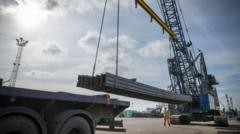
The two plants involved are the biggest in the nation and produce a large portion of the country's total steel. Iran is usually ranked among the top ten steel producers in the world. These factories produce millions of tons of steel every year, much of which is sold to countries in Asia and the Middle East. Losing even a week of production means losing millions of dollars in potential sales. Additionally, the steel industry supports tens of thousands of jobs, both directly in the plants and indirectly in shipping and mining.
Background and Context
To understand why this matters, it is important to look at Iran’s position in the world. For many years, Iran has been under "sanctions." These are rules set by other countries that make it hard for Iran to buy and sell things. Because it is so hard for them to sell oil, Iran has worked very hard to build up its steel industry. Steel has become a "safety net" for their economy.
The relationship between Iran, Israel, and the United States has been very tense for a long time. There have been many reports of shadow conflicts where each side tries to hurt the other’s technology or industry. By targeting steel, the attackers are hitting a part of the economy that Iran relies on to stay independent and strong. This makes the current situation more than just a factory problem; it is part of a much larger political struggle.
Public or Industry Reaction
The reaction within Iran has been one of anger and concern. Government leaders have called the strikes an act of aggression and have promised to fix the damage as quickly as possible. However, experts in the steel industry say that restarting a large steel plant is not as simple as flipping a switch. The heat required to melt metal must be managed carefully, and if the machines were damaged, it could take months to get the parts needed for repairs.
On the global stage, steel buyers are watching the situation closely. If Iran cannot export its steel, other countries might have to find new suppliers. This can cause the price of steel to rise in the global market. Some international observers are also worried that this event will lead to more tension in the region, as Iran may feel the need to respond to the strikes.
What This Means Going Forward
The next few weeks will be critical for Iran. If they can repair the plants and get them running again quickly, the economic damage might be limited. However, if the damage is deep, the country will face a tough road ahead. There is also the risk of more strikes. If the steel plants were vulnerable once, they might be targeted again, which makes it hard for the industry to feel safe.
Iran will likely look for ways to better protect its factories from these kinds of attacks. This might mean spending more money on security and technology. At the same time, the government will have to find ways to support the workers and businesses that are hurting because of the shutdown. The situation shows how modern conflicts are moving away from traditional battlefields and into the heart of a country’s economy.
Final Take
The shutdown of Iran’s largest steel plants is a clear sign of how fragile a country's economy can be when its main industries are targeted. While the political blame continues, the real impact is felt by the economy and the people who depend on it. This event highlights the growing importance of protecting industrial centers in a world where trade and technology are the new targets of conflict.
Frequently Asked Questions
Why is steel so important to Iran?
Steel is Iran's second-largest export after oil. It provides the country with much-needed money from other nations, especially since selling oil has become more difficult due to international rules.
Who does Iran blame for the factory shutdowns?
The Iranian government has officially blamed Israel and the United States, claiming they worked together to launch strikes against the factories last week.
How will this affect regular people?
When steel production stops, the cost of building homes and making cars usually goes up. It also puts the jobs of thousands of factory workers at risk and slows down the overall economy.