
Summary
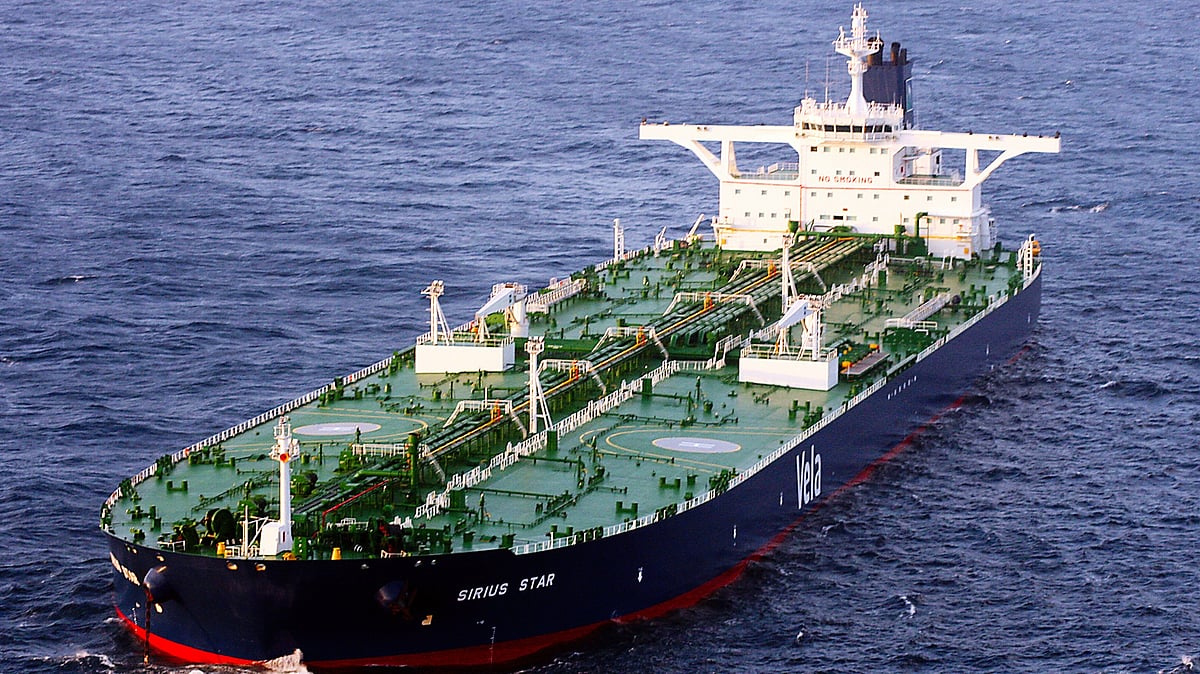
India is set to receive its first shipment of crude oil from Iran since 2019. A large tanker carrying about 600,000 barrels of oil is currently traveling toward the coast of Gujarat. This development comes after the United States granted a short-term break from sanctions to help lower global energy prices. The arrival of this cargo marks a significant moment for India’s energy sector, which has avoided Iranian oil for several years due to international pressure.
Main Impact
The return of Iranian oil to Indian shores could change how the country manages its energy needs. For the past five years, Indian refineries had to find other sources of oil, which were often more expensive or harder to transport. By allowing this shipment, the U.S. government is providing a temporary way to increase the global oil supply. This move is intended to stop fuel prices from rising too high during the current conflicts in West Asia. For India, it offers a chance to fill its storage tanks with oil that is well-suited for its domestic refineries.
Key Details
What Happened
A vessel named the Ping Shun took on a load of crude oil from Kharg Island in Iran earlier this month. According to data from ship-tracking companies, the ship is now heading to the port of Vadinar in Gujarat. This is the first time an Iranian oil tanker has been sent to India since May 2019. While the oil is moving, the specific company that bought the cargo has not been named yet. Experts believe the shipment is a sign that the trade relationship between the two countries is starting to wake up again after a long pause.
Important Numbers and Facts
- Cargo Size: Approximately 600,000 barrels of crude oil.
- Arrival Date: The ship is expected to reach the Gujarat coast on April 4.
- Waiver Period: The U.S. has allowed a 30-day window for these purchases, which ends on April 19.
- Historical Context: In 2018, India imported over 500,000 barrels per day from Iran before the trade stopped completely in 2019.
- Global Supply: There are currently about 95 million barrels of Iranian oil stored on ships at sea, waiting for buyers.
Background and Context
India is one of the biggest buyers of oil in the world. Because it does not produce enough oil at home, it must buy most of its fuel from other countries. For a long time, Iran was one of India’s top three suppliers. Iranian oil was popular because it was priced well and the shipping distance was short. However, the United States put strict rules in place to stop countries from buying Iranian oil to put pressure on Iran’s government. In 2019, the U.S. ended the special permissions that allowed India to keep buying, which forced Indian companies to stop all imports from Iran.
The current situation is different because of the rising cost of living and high energy prices worldwide. The U.S. administration decided to allow a very short period where oil already at sea could be sold. This is meant to act as a safety valve for the global market. Indian refineries are particularly interested in "Iran Light" and "Iran Heavy" oil grades because their machines are already set up to process these specific types of fuel efficiently.
Public or Industry Reaction
Energy analysts have noted that Indian refineries are currently facing low stock levels. The arrival of this shipment is seen as a helpful boost. However, there is still a lot of caution in the industry. Even though the U.S. gave a temporary waiver, paying for the oil is still very difficult. Iran is blocked from using SWIFT, which is the main system banks use to send money between countries. In the past, India used different currencies and banks in other countries to pay Iran, but many of those paths are now closed. Industry experts are watching closely to see how the financial side of this deal will be handled.
What This Means Going Forward
The future of this trade depends on what happens after the 30-day waiver expires on April 19. If the U.S. does not extend the permission, this could be a one-time event rather than a full return to normal trade. India’s oil ministry has said that they will look at each deal to see if it makes sense for the country's economy and follows international rules. There is also competition for this oil, as other countries in Asia, like China, are also looking for affordable energy sources. The next few weeks will show if India and Iran can find a long-term way to trade despite the ongoing sanctions and banking hurdles.
Final Take
This single shipment of 600,000 barrels is a small step, but it represents a major change in the energy world. It shows that when global oil supplies get tight, even long-standing sanctions can be adjusted. While it helps India meet its immediate energy needs, the complex rules of global politics mean that a full return to the old trading days is still far away. For now, the arrival of the Ping Shun at Vadinar is a test case for how India will balance its need for cheap fuel with its international relationships.
Frequently Asked Questions
Why did India stop buying oil from Iran in 2019?
India stopped the imports because the United States ended the sanctions waivers that allowed countries to buy Iranian oil. To avoid penalties from the U.S. government, India and many other nations ceased their trade with Iran.
Where is the oil going in India?
The oil is heading to the Vadinar port in Gujarat. This port supplies a large refinery owned by Nayara Energy and also sends oil to other inland facilities, such as the Bharat Petroleum refinery in Bina.
Will India continue to buy oil from Iran after April?
It is not yet clear. The current permission from the U.S. is only for 30 days and ends on April 19. Any future purchases will depend on whether the U.S. extends this waiver and if India can find a safe way to pay for the oil.