
Summary
Israel launched targeted air strikes against Iran’s nuclear facilities on Friday, marking a major increase in the ongoing conflict. The attacks hit two important sites used for processing nuclear materials, though Iran reports that no one was killed. In response, Iranian leaders have promised a powerful counter-attack, warning that their next move will go beyond a simple equal response. This development comes as the United States tries to negotiate a deal to reopen a vital oil shipping route that has been blocked during the fighting.
Main Impact
The decision to strike nuclear-related buildings has pushed the tension between Israel and Iran to a dangerous new level. By targeting these specific sites, Israel is attempting to damage Iran’s ability to create nuclear fuel and weapons. This move has caused immediate fear in global markets, leading to a sharp rise in oil prices and a drop in stock values. Many world leaders worry that this could lead to a much larger war that involves more countries and causes a massive humanitarian crisis across the region.
Key Details
What Happened
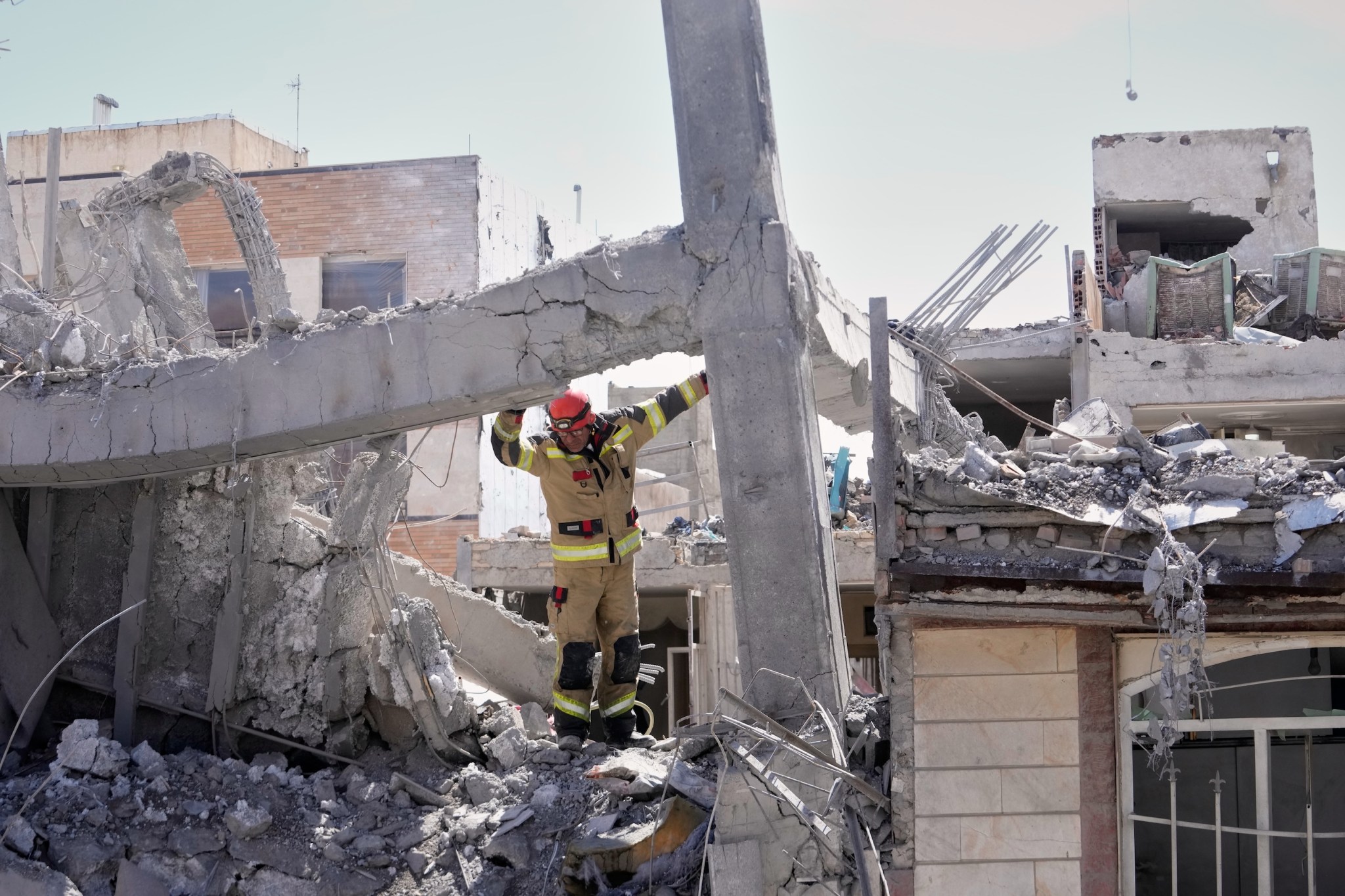
On Friday, Israeli planes and missiles hit two main locations in Iran. The first was the Shahid Khondab Heavy Water Complex in Arak. This site had already been damaged in a previous attack last year and was not currently running. The second target was the Ardakan plant in Yazd Province. This facility is used to make "yellowcake," which is a type of concentrated uranium used to create nuclear fuel. Israel’s military confirmed the strikes, stating they also hit factories used to build ballistic missiles and other weapons near the capital city of Tehran.
While the physical damage to the nuclear sites is still being studied, Iran’s atomic agency claimed there was no leak of dangerous materials. However, the Israeli military described the mission as a "major blow" to Iran’s nuclear plans. At the same time, other regional areas were affected. Strikes were reported in Beirut, Lebanon, and missiles were intercepted over Riyadh, Saudi Arabia. Even a port in Kuwait, which was being built with help from China, suffered damage during the chaos.
Important Numbers and Facts
The economic and human cost of the war continues to grow rapidly. Here are the latest figures from the conflict:
- Oil Prices: Brent crude oil rose to $104.81 per barrel, a huge jump from the $70 price seen before the war began in late February.
- Death Toll: Over 1,900 people have died in Iran and more than 1,100 in Lebanon. Israel has reported 18 deaths, and 13 American troops have been killed.
- Humanitarian Crisis: The United Nations reports that 82,000 buildings in Iran have been damaged, including hospitals and homes for 180,000 people.
- US Military: Around 2,500 Marines and 1,000 paratroopers are moving into the region to support US interests.
Background and Context
This war is not just about local borders; it is about a very important waterway called the Strait of Hormuz. About 20% of the world’s oil passes through this narrow stretch of water. Iran has recently restricted access to the strait and has been charging fees to ships that want to pass through safely. This has caused oil prices to go up all over the world, making gas and goods more expensive for everyone.
United States President Donald Trump has set a firm deadline of April 6 for Iran to reopen the strait to all ships. If this does not happen, the US has threatened to destroy Iran’s energy plants. While the US is trying to use diplomats from Pakistan and Turkey to find a peaceful solution, Iran has rejected the current 15-point plan offered by Washington. Instead, Iran wants the US to recognize its control over the waterway and pay for damages caused by the war.
Public or Industry Reaction
The reaction from Iran’s military was immediate and angry. A top commander in the Revolutionary Guard warned that the time for "an eye for an eye" is over, suggesting that their next attack on Israel will be much larger than anything seen before. He even warned workers at companies linked to the US and Israel to leave their jobs for their own safety.
On the international stage, the G7 group of wealthy nations called for an immediate stop to attacks on civilians and buildings. Business experts are also worried. The long losing streak for US stocks shows that investors are afraid the war will last a long time and continue to hurt the global economy. Relief groups, such as the Norwegian Refugee Council, warned that millions of people might be forced to leave their homes if the fighting does not stop soon.
What This Means Going Forward
The next few weeks are critical. If Iran follows through on its threat to launch a massive retaliatory strike, Israel is likely to hit back even harder. All eyes are now on the April 6 deadline set by the US. If the Strait of Hormuz remains blocked, the US military may take a more active role in the fighting. This could lead to a direct battle between US forces and Iranian troops, which would make the situation much worse for the entire world.
Final Take
The attack on Iran’s nuclear sites has removed any hope of a quick or easy end to this conflict. As both sides move away from traditional rules of war and toward more destructive targets, the risk to global stability grows. The coming days will show if diplomacy can still work or if the region is headed toward a much larger and more violent struggle.
Frequently Asked Questions
Why did Israel attack Iran's nuclear sites?
Israel believes these facilities are being used to develop nuclear weapons that could be used against them. By striking these sites, they hope to slow down Iran's military capabilities.
What is the Strait of Hormuz and why is it important?
It is a narrow water path that connects oil producers in the Middle East to the rest of the world. Because so much of the world's oil travels through it, any closure causes gas prices to rise globally.
What is "yellowcake" uranium?
Yellowcake is a solid form of uranium that has been cleaned of impurities. It is a key ingredient used to create the fuel needed for nuclear power plants or, if processed further, nuclear weapons.