
Summary
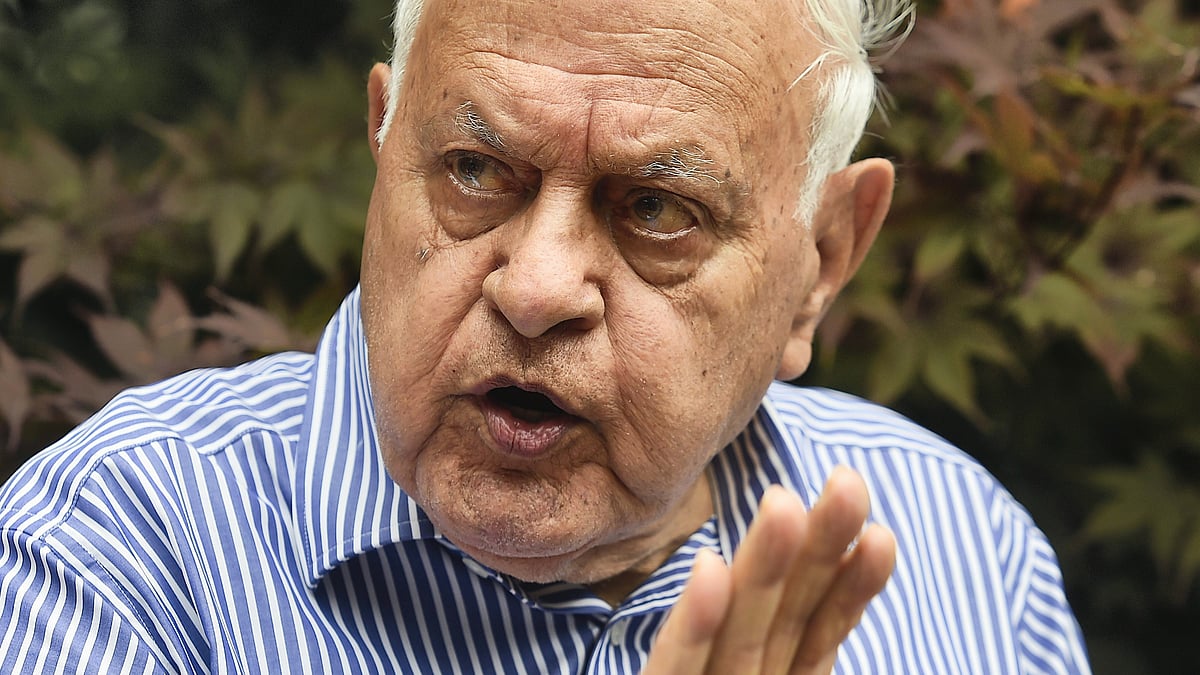
Farooq Abdullah, the leader of the National Conference and former Chief Minister, has raised serious concerns about the delay in bringing back statehood to Jammu and Kashmir. Speaking on March 31, 2026, he explained that the long wait is making people lose faith in the democratic system. He believes that restoring statehood is not a favor from the government but a basic right that belongs to the citizens. This delay, according to Abdullah, is leaving the hopes and needs of the local people unfulfilled.
Main Impact
The primary impact of this delay is a growing gap between the government and the public. When a region remains a Union Territory for too long, the local population often feels that their voices are not being heard. Abdullah pointed out that this situation creates a sense of frustration among the people. Without a full state government, the power of local leaders is limited, which affects how laws are made and how the region is managed. This lack of full political power can lead to a decline in public participation in elections and other democratic activities.
Key Details
What Happened
During a meeting with members of his political party, Farooq Abdullah spoke about the current political state of Jammu and Kashmir. He described the ongoing postponement of statehood as "deeply unfortunate." He argued that the central government had previously promised to restore statehood, and the time to act on that promise is long overdue. Abdullah told his party workers that they must stay close to the people and help bring their problems to the attention of the authorities.
Important Numbers and Facts
The change in Jammu and Kashmir’s status happened in August 2019. At that time, the central government removed Article 370, which gave the region special status. Following this, the state was divided and turned into two Union Territories: Jammu and Kashmir, and Ladakh. It has now been several years since that change occurred. While the government has stated that statehood will return at an "appropriate time," no specific date has been set. Abdullah’s comments highlight that the wait has lasted much longer than many people expected.
Background and Context
To understand why this matters, it is important to know the difference between a State and a Union Territory in India. A State has its own elected government with significant powers to make laws on local issues like health, education, and policing. A Union Territory is managed more directly by the central government through an appointed official. For the people of Jammu and Kashmir, moving back to being a State means having more control over their own lives and their own future. The National Conference party has always maintained that full statehood is necessary for a healthy democracy in the region.
Public or Industry Reaction
The reaction from the National Conference and other local political groups has been consistent. They are calling for immediate action to restore the political rights of the citizens. Abdullah urged his party workers to talk to people at the "grassroots level," which means talking to ordinary citizens in villages and towns. By doing this, the party hopes to keep the demand for statehood alive. Other opposition parties have also joined in, asking the central government to provide a clear timeline for when the transition back to statehood will happen. They argue that a local government with full powers is the only way to ensure that the government is truly accountable to the people.
What This Means Going Forward
Looking ahead, the continued delay could lead to more political tension in the region. If people feel that their democratic rights are being withheld, they may become less interested in participating in the political process. This could make it harder for the government to maintain peace and stability. The next steps depend largely on the central government in New Delhi. They will need to decide when the conditions are right to fulfill their promise. Until then, leaders like Farooq Abdullah are likely to continue pushing for change, using peaceful and constitutional methods to demand that Jammu and Kashmir becomes a full state once again.
Final Take
The demand for statehood in Jammu and Kashmir is about more than just a change in legal status. It is about restoring the dignity and the political voice of millions of people. As Farooq Abdullah highlighted, trust is the foundation of any democracy. If that trust continues to break down because of delays, it will take a long time to rebuild. Providing a clear path back to statehood is essential for the region to move forward and for the people to feel like they are truly part of the democratic process.
Frequently Asked Questions
Why is statehood important for Jammu and Kashmir?
Statehood allows the region to have its own elected government with more power to make local laws. This makes the government more accountable to the people who live there.
When did Jammu and Kashmir become a Union Territory?
The region was changed from a state to a Union Territory in August 2019, at the same time that Article 370 was removed by the central government.
What is Farooq Abdullah asking for?
He is asking the central government to stop delaying the restoration of statehood. He believes it is a fundamental right of the people and necessary to keep their trust in democracy.