
Summary
Kalshi, a well-known prediction market platform, has launched a massive contest offering a $1 billion prize for a perfect March Madness bracket. This bold move is inspired by a famous tradition started by billionaire investor Warren Buffett. To win the top prize, a participant must correctly predict the winner of every single game in the NCAA men’s basketball tournament. While the odds of achieving a perfect bracket are nearly impossible, the contest has generated significant interest and conversation across the country.
Main Impact
The primary impact of this announcement is the massive attention it brings to the world of prediction markets. By offering such a life-changing amount of money, Kalshi is using a high-profile sports event to attract new users to its platform. This contest highlights the growing trend of companies using "impossible" prizes as a marketing tool. Even though the chances of someone winning the full billion dollars are extremely low, the promise of a $1 million prize for the best overall score ensures that people still feel motivated to participate. This strategy helps the company build a large database of users and increases its brand recognition during one of the biggest sporting events of the year.
Key Details
What Happened
Kalshi announced its "Billion Dollar Bracket" challenge just before the start of the college basketball tournament. The company is following in the footsteps of Warren Buffett, who previously offered similar prizes to his employees at Berkshire Hathaway. The contest required participants to submit their picks before the first game tipped off on March 19. If someone manages to get every game right, they will not receive the full billion dollars at once. Instead, the rules state the winner would be paid $100 million every year for ten years. The contest is being financially supported by SIG Parametrics, a firm that specializes in managing large financial risks.
Important Numbers and Facts
The numbers behind a perfect bracket are staggering. According to the NCAA, the odds of picking every game correctly are about 1 in 120.2 billion. To put that in perspective, it is much harder than winning the lottery. The longest verified streak of correct guesses happened in 2019, when a man from Ohio correctly predicted 49 games in a row. However, a full tournament requires 63 correct picks. Because the odds are so low, Kalshi has a backup plan. If no one is perfect, the person with the highest score on the company's leaderboard will win $1 million. The contest was open to U.S. citizens over the age of 18, though residents of New York and Florida were excluded from participating.
Background and Context
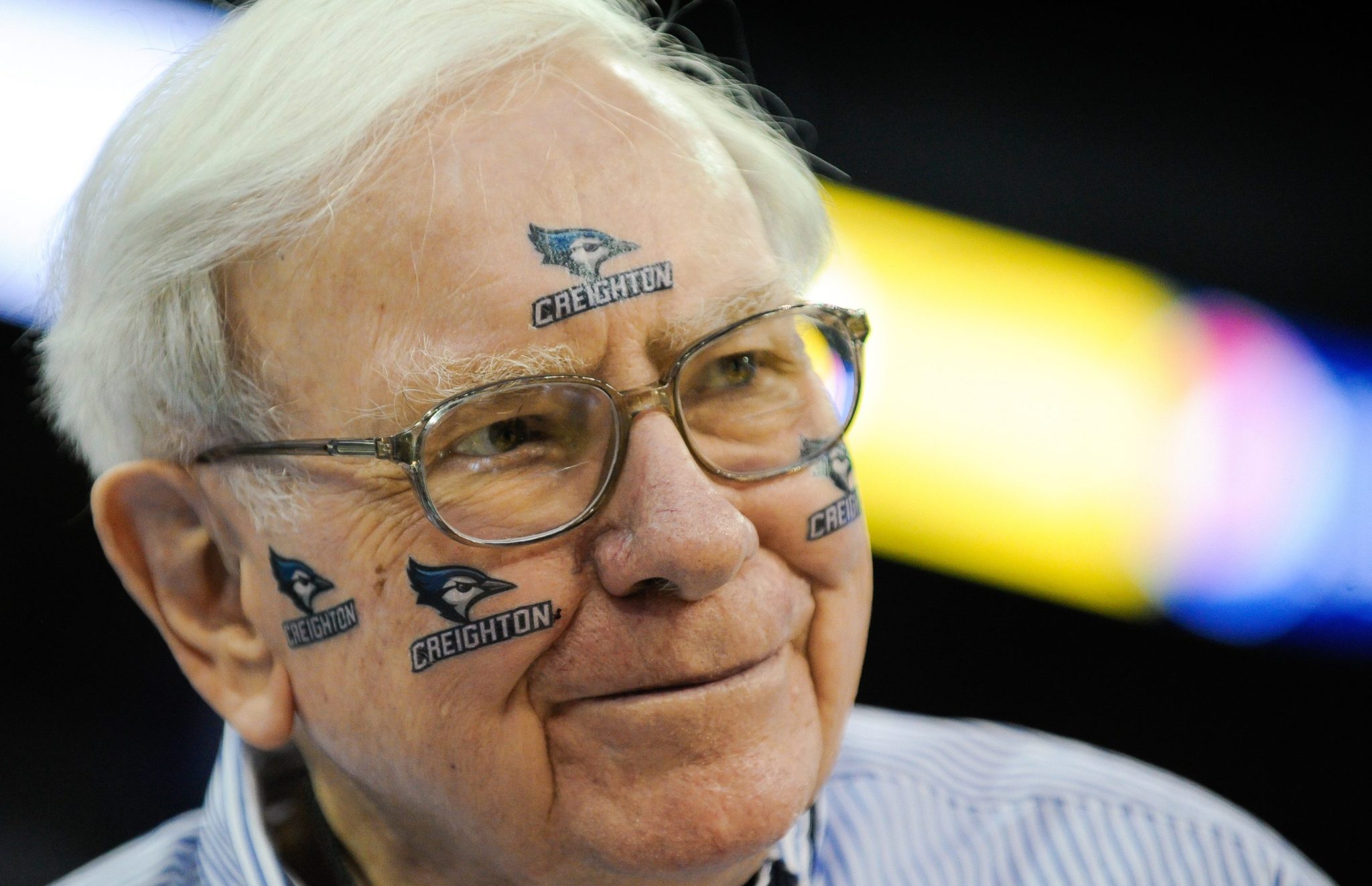
This type of contest became famous because of Warren Buffett. Starting in 2014, Buffett offered $1 billion to any of his employees who could turn in a perfect bracket. Over the years, he realized that the goal was too difficult for anyone to reach. To keep his employees excited, he began changing the rules. He started offering $1 million to anyone who could correctly guess the "Sweet 16" teams. Even then, no one won. Eventually, he made the rules even easier, offering $1 million for correctly guessing 30 out of 32 games in the first round. In 2025, an employee finally won that prize by getting 31 games right. Buffett has stated that he enjoys the contest because it is a fun way to give back to his workers, even though he retired as CEO in late 2025.
Public or Industry Reaction
The reaction to Kalshi's contest has been a mix of excitement and realism. Many sports fans enjoy the challenge of filling out a bracket, and the added incentive of a billion dollars makes it even more thrilling. However, experts in math and statistics often point out that these contests are mostly for show because the odds are so heavily stacked against the players. Within the industry, this is seen as a clever "publicity stunt." Kalshi has a history of doing these types of things, such as when they gave away free groceries to people in New York City earlier this year. By linking their brand to a billion-dollar prize, they stay in the news cycle for the entire duration of the tournament.
What This Means Going Forward
Looking ahead, this contest could lead to more companies offering giant prizes for rare events. It shows that the "Buffett model" of marketing is still very effective in the digital age. For Kalshi, the goal is to convert these basketball fans into long-term users of their prediction market, where people trade on the outcomes of politics, economics, and other world events. As sports betting and prediction markets become more common in the United States, we can expect to see even more creative and high-stakes contests during major events like the Super Bowl or the World Cup. The exclusion of New York and Florida residents also highlights the complicated legal environment that these companies must navigate when operating across different states.
Final Take
While the dream of becoming a billionaire through a basketball bracket is almost certainly out of reach, the contest serves as a powerful reminder of how much people love the unpredictability of sports. Kalshi has successfully used a classic strategy to grab the public's attention. Whether or not a perfect bracket ever happens, the real winner in this situation is the company that managed to get millions of people talking about its brand.
Frequently Asked Questions
What are the odds of getting a perfect March Madness bracket?
The odds are estimated to be about 1 in 120.2 billion. It is considered one of the most difficult things to achieve in all of sports betting and statistics.
How will the $1 billion prize be paid out?
If someone wins, they will not get the money in a single payment. The rules state the winner will receive $100 million per year for a period of 10 years.
What happens if no one gets a perfect bracket?
If no one is perfect, Kalshi will award $1 million to the person who has the highest score based on their specific point system. If there is a tie, the money will be shared.