
Summary
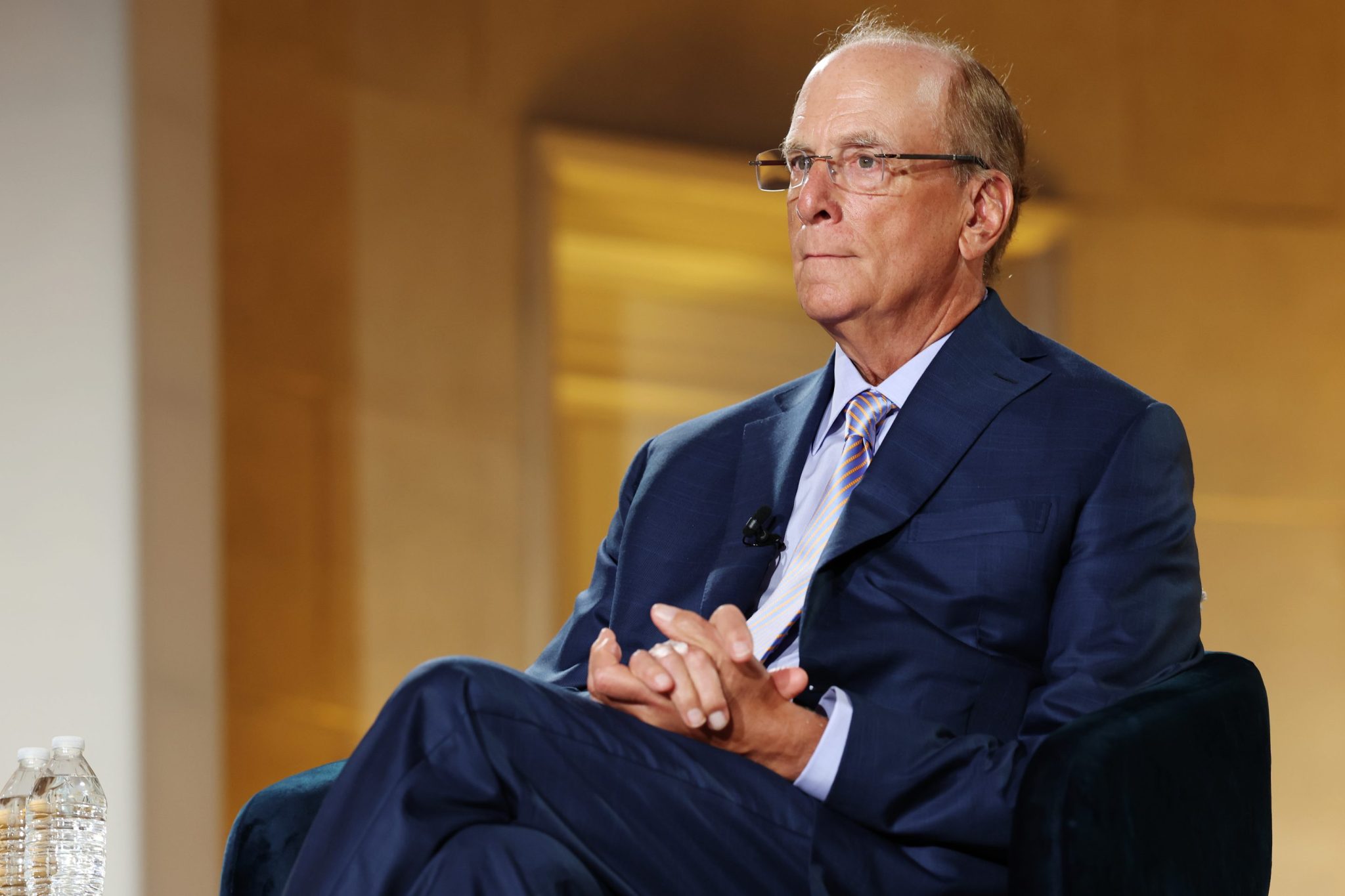
Larry Fink, the leader of the world’s largest money management firm, BlackRock, recently shared his thoughts on the current state of the global economy. He believes that many people feel anxious today because they think the capitalist system is no longer working for them. Fink points out that wealth is growing much faster for those who own stocks and assets than for those who rely only on their weekly paychecks. This gap is making it harder for regular workers to feel secure about their financial future.
Main Impact
The main issue identified by Fink is the growing divide between asset owners and wage earners. Over the last few decades, the value of the stock market has increased at a much higher rate than average wages. This means that people who already have money to invest are getting richer, while those who work for a living are struggling to keep up with the rising cost of life. This trend is expected to continue as new technologies like Artificial Intelligence (AI) become more common, likely benefiting investors more than workers.
Key Details
What Happened
In his yearly letter to shareholders, Larry Fink explained that the world is moving through a time of massive change. He noted that events that used to happen once in a decade are now happening all the time. These include major wars, the rise of trillion-dollar companies, and shifts in how countries trade with each other. He argues that these big headlines often hide a more serious long-term problem: the fact that many people feel left out of the global economy's growth.
Important Numbers and Facts
Fink shared several striking statistics to show how the economy has changed over time. Since 1989, a single dollar invested in the U.S. stock market has grown 15 times more than a dollar tied to average wages. This shows how much faster investment wealth grows compared to income from a job. Additionally, over the last 20 years, the S&P 500 index has grown by more than eight times. However, timing the market is risky; if an investor missed just the 10 best days of the market during that time, they would have earned less than half of that total return.
Financial security is also a major concern for many households. A survey found that one-third of voters do not have $500 available for an emergency, such as a car repair. Because of this lack of cash, a record number of people had to take money out of their retirement accounts last year just to pay for basic needs.
Background and Context
This economic worry is happening at a time of global instability. Recent conflicts in the Middle East have caused oil and gas prices to rise, which makes everyday life more expensive for families. When people are worried about paying for gas or groceries, they cannot think about saving for the future. This creates a cycle where only the wealthy can afford to invest, while everyone else falls further behind. Research from Pew shows that only about 53% of Americans still believe the "American Dream" is possible, with many saying it is now out of reach for the average person.
Public or Industry Reaction
The reaction to these economic shifts is split based on income and education. People with college degrees and higher salaries tend to be more hopeful about the future. On the other hand, those without these advantages are much more likely to feel that the system is unfair. Industry experts note that the high cost of living is the biggest barrier to investing. Many people want to build wealth, but they simply do not have any money left over at the end of the month to put into the stock market.
What This Means Going Forward
Fink suggests that the way people save for retirement needs to change. He specifically mentioned Social Security, which currently focuses on providing a steady, predictable payment. He wonders if the system could be updated to allow some of that money to be invested in the broader economy, similar to how some government worker pension plans operate. This would not mean ending Social Security, but rather finding ways to help the money grow faster over several decades. By doing this, more people could benefit from the growth of the stock market, even if they do not have extra cash to invest on their own.
Final Take
The feeling that capitalism is failing many people is rooted in the reality that wages are not keeping pace with the growth of the stock market. For the economy to feel fair again, there must be better ways for regular workers to own a piece of the growth they help create. Without changes to how people save and invest, the gap between the wealthy and the working class will likely continue to grow, fueled by new technologies and global changes.
Frequently Asked Questions
Why does Larry Fink say people are anxious about the economy?
He believes people are anxious because wealth is mostly going to those who already own assets like stocks, while wages for regular workers are not growing nearly as fast.
How much faster has the stock market grown compared to wages?
Since 1989, money invested in the U.S. stock market has grown 15 times more than the value of median wages, creating a huge gap in wealth.
What is Fink’s suggestion for Social Security?
He suggests looking at ways to invest a portion of Social Security funds into the broader economy, similar to public pension plans, to help the benefits grow more over time for everyone.