

Summary
As the March Madness tournament reaches the Sweet 16, the focus is often on the players and coaches. However, behind the scenes, some of the world’s wealthiest people are providing the funding that makes these top programs possible. Billionaires from industries like tech, oil, and finance are donating millions of dollars to their favorite schools. This money helps pay for new buildings, better training, and deals that attract the best young athletes in the country.
Main Impact
The influence of billionaire donors has changed how college sports work. While the NCAA tournament generates hundreds of millions of dollars in revenue, that money often goes to athletic conferences rather than individual schools. To stay competitive, universities rely on wealthy former students and fans to fill the gap. These donors provide the cash needed for modern stadiums and "Name, Image, and Likeness" (NIL) deals, which allow players to earn money while in school.
This financial support has created a group of "powerhouse" schools that consistently perform well. With the sports entertainment industry now worth over $3 trillion, the stakes for these donors are higher than ever. Having a winning team brings prestige to the university and keeps the donors connected to their alma maters.
Key Details
What Happened
Several billionaires have made headlines for their massive contributions to schools competing in this year’s Sweet 16. These donors include famous names like Jerry Jones and Larry Ellison. Their gifts range from $10 million to over $60 million, specifically targeting athletic success and student support.
Important Numbers and Facts
- David Rubenstein (Duke): The co-founder of the Carlyle Group has a net worth of $4.2 billion. He has given more than $60 million to Duke, including $10 million specifically for sports.
- Jerry Jones (Arkansas): The owner of the Dallas Cowboys is worth $19.4 billion. He donated $10.65 million to help Arkansas athletes succeed both in sports and in the classroom.
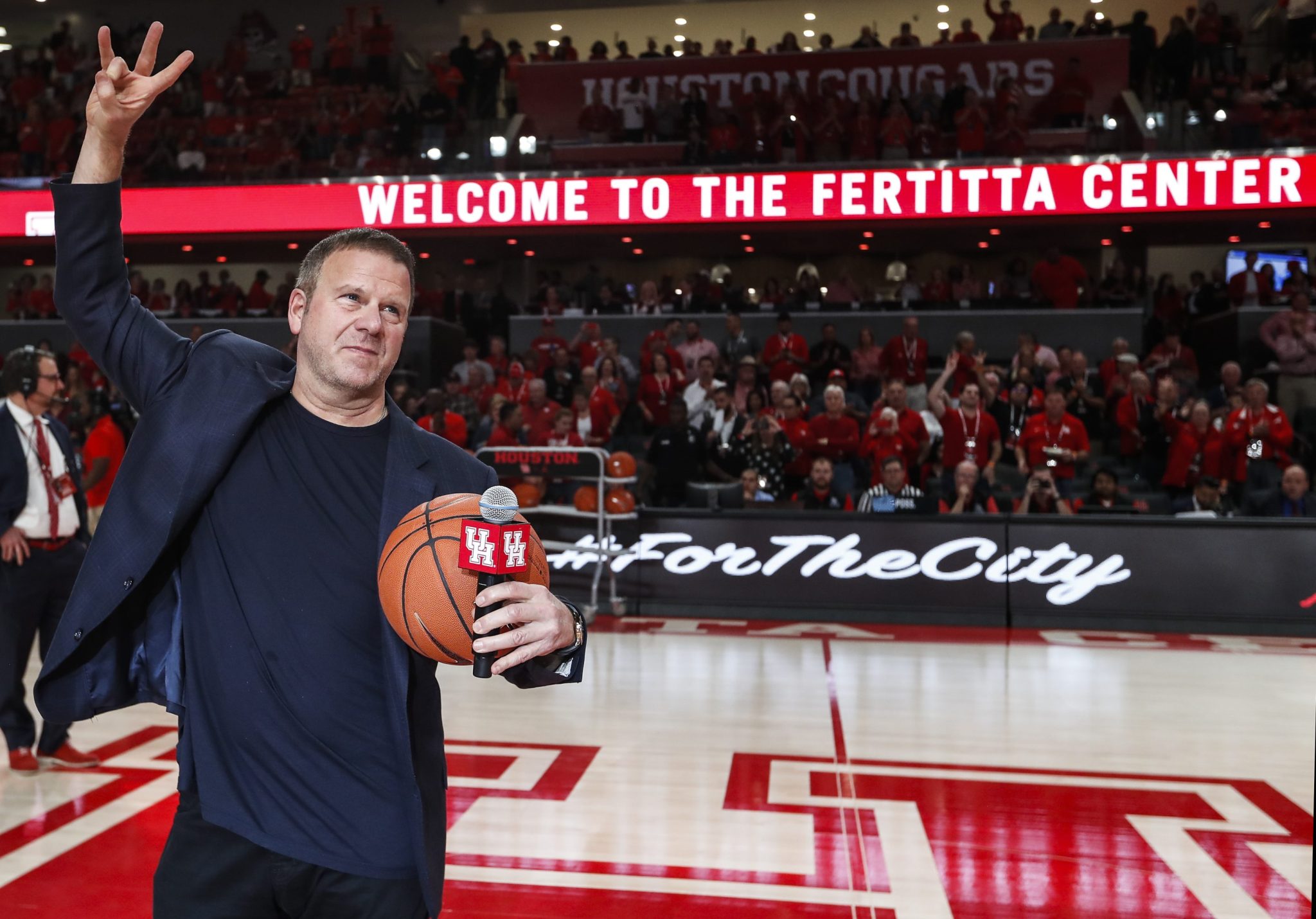
- Tilman Fertitta (Houston): A hospitality mogul worth $11.2 billion, he gave $20 million to renovate Houston’s basketball arena, which now bears his name.
- Larry Ellison (Michigan): The Oracle co-founder is worth nearly $200 billion. He reportedly funded a massive deal to bring a top football recruit to Michigan, showing how billionaire money impacts multiple sports.
- Daniel Gilbert (Michigan State): The founder of Rocket Companies donated $15 million to the Michigan State basketball program. He is worth an estimated $29.4 billion.
- Jimmy Haslam (Tennessee): The owner of the Cleveland Browns has a net worth of $10 billion. His family has donated $50 million to the University of Tennessee.
Background and Context
College basketball is a massive business. This year’s men’s tournament is expected to pay out more than $270 million. However, these payments are spread out over six years and go to the conferences. This means a school might only see a small portion of that money each year. Because of this, schools need outside help to pay for the best coaches and the most advanced training facilities.
In the past, donors mostly gave money for new buildings. Today, the rules have changed. Wealthy boosters now help fund NIL packages. These are financial deals where players are paid for their fame. This has made it easier for wealthy donors to directly influence which players choose to attend their favorite schools.
Public or Industry Reaction
Many fans and experts see these donations as a necessary part of modern college sports. Without billionaire backing, it is very difficult for a school to stay in the top rankings. However, some critics worry that the gap between "rich" schools and "poor" schools is growing too wide. They argue that the schools with the wealthiest donors will always have an unfair advantage in recruiting the best talent.
What This Means Going Forward
The trend of billionaires funding college sports is likely to grow. As the cost of running a top-tier athletic program increases, schools will become even more dependent on their wealthiest alumni. We may see more arenas named after donors and more high-profile recruiting battles funded by private wealth. This could lead to a permanent group of elite schools that dominate the tournament every year because they have the most financial resources.
Final Take
Success in March Madness is no longer just about what happens on the court. It is also about the financial power supporting the team from the sidelines. While the players provide the excitement, the billionaires provide the foundation. As long as college sports remain a multi-billion dollar industry, the influence of America’s richest individuals will continue to shape the future of the game.
Frequently Asked Questions
How much money does a school get for winning a March Madness game?
Schools do not get paid directly for each win. Instead, the money goes to their conference. Each game played is worth about $2 million, which is paid out to the conference over a six-year period.
What is an NIL deal?
NIL stands for Name, Image, and Likeness. It is a system that allows college athletes to earn money through sponsorships, advertisements, and other business deals while they are still in school.
Why do billionaires donate so much to college sports?
Many billionaires donate because they attended the school and want to see it succeed. Others do it for the prestige and the connection to a high-profile sports program, which can be a valuable part of their social and business networks.