
Summary
The Lok Sabha has passed the Transgender Persons (Protection of Rights) Amendment Bill, 2026, sparking a major political debate. Rahul Gandhi and other leaders from the Congress party have strongly criticized the new law, calling it an attack on the basic rights of transgender individuals. The opposition argues that the bill takes away the right of people to decide their own identity and forces them to face uncomfortable medical checks. While the government says the bill will protect the community, critics believe it goes against previous court rulings and the Indian Constitution.
Main Impact
The most significant change brought by this bill is how a person is officially recognized as transgender. Previously, legal standards focused on a person's right to choose their own gender identity. Now, the new law introduces a government-controlled process for verification. This shift has caused deep concern among activists and opposition leaders who believe it removes personal freedom and dignity. By requiring a medical board to sign off on a person's identity, the law changes the relationship between the state and the transgender community.
Key Details
What Happened
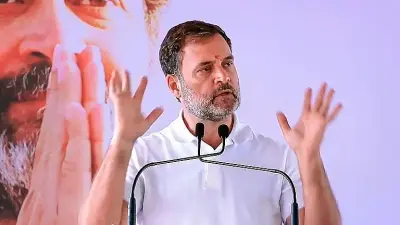
On Tuesday, March 24, 2026, the Lok Sabha held a session to discuss and vote on the Transgender Persons (Protection of Rights) Amendment Bill. Despite strong protests from opposition parties, the bill was passed. Rahul Gandhi led the criticism, stating that the legislation is a step backward for the country. He argued that the bill ignores the rich history of transgender communities in India and replaces it with strict government rules. The government, however, stood by the bill, claiming it is necessary to provide legal clarity and protection for those who face social boycotts.
Important Numbers and Facts
The bill includes several specific groups under the definition of "transgender." These include traditional socio-cultural identities such as Kinner, Hijra, Aravani, and Jogta. It also covers people with intersex variations and those born with different physical sexual characteristics. A major part of the bill is the creation of a "medical board." This board will be led by a chief or deputy chief medical officer appointed by the government. This board now has the power to decide if a person’s application to be recognized as transgender is valid. The law also introduces "graded punishment," which means the severity of a legal penalty will depend on the type of harm caused to a transgender person.
Background and Context
To understand why this bill is so controversial, it is important to look at how laws for transgender people have changed in India. A few years ago, the Supreme Court of India made a landmark decision. The court ruled that gender identity is a personal choice and a matter of "self-determination." This means a person should be able to say who they are without needing a doctor to prove it. The court said this right is protected under the Constitution, which guarantees life, liberty, and dignity for every citizen. Critics say the new 2026 bill ignores this court ruling. They believe that by forcing people to go before a medical board, the government is treating a personal identity like a medical condition that needs to be verified.
Public or Industry Reaction
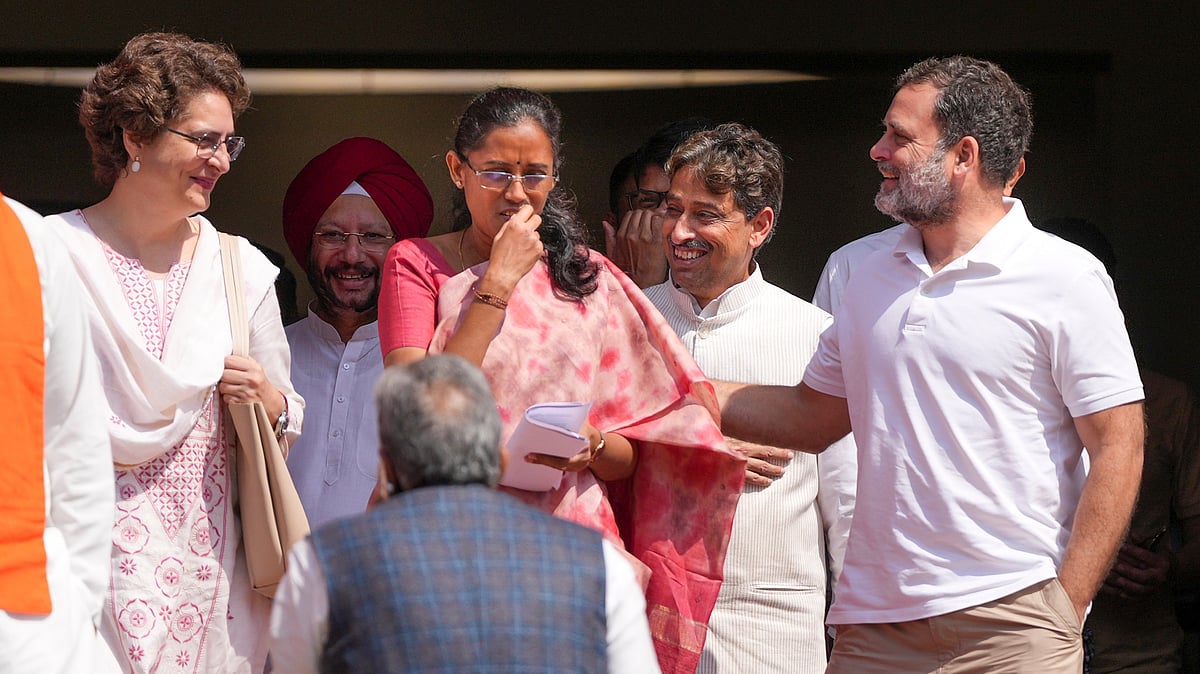
The reaction to the bill has been swift and mostly negative from civil rights groups and opposition politicians. Rahul Gandhi described the bill as "regressive," a word used to describe something that moves backward instead of forward. He claimed the law introduces "surveillance without safeguards," meaning the government could monitor transgender people too closely without protecting their privacy. Congress MP Jyothimani also spoke out, noting that the government did not talk to the transgender community enough before writing the bill. She emphasized that bodily autonomy—the right to control one's own body—is a fundamental right that this bill puts at risk. Outside of Parliament, law students and human rights defenders have also voiced their opposition, fearing that the new verification procedures will lead to more harassment.
What This Means Going Forward
Now that the bill has passed the Lok Sabha, it moves closer to becoming a permanent part of Indian law. However, the fight is likely not over. Because the opposition claims the bill is "unconstitutional," there is a high chance it will be challenged in the Supreme Court. If the court finds that the bill violates the basic rights of citizens, it could be struck down or changed. For the transgender community, the immediate future involves a lot of uncertainty. Many are worried about how the medical boards will work and whether they will be treated with respect during the verification process. There is also concern that the exclusion of "social orientation" from the bill leaves many people without proper legal protection.
Final Take
The passing of this bill highlights a deep divide in how the government and the opposition view human rights and identity. While the government argues that strict rules are needed for legal protection, the opposition sees these same rules as a way to control and marginalize a vulnerable group. The core of the issue remains whether the state has the right to verify a person's internal sense of who they are. As this law moves forward, the balance between government regulation and individual freedom will continue to be a major point of conflict in Indian politics.
Frequently Asked Questions
What is the main criticism of the new Transgender Bill?
The main criticism is that it takes away the right to self-identify. Instead of a person choosing their own gender identity, a government medical board must now verify and approve it.
Who will be on the medical board mentioned in the bill?
The medical board will be led by a chief or deputy chief medical officer who is nominated by the government. They will have the power to check and confirm a person's transgender status.
Why does Rahul Gandhi call the bill "unconstitutional"?
He believes it violates the Supreme Court's earlier ruling that gender identity is a part of the right to life and dignity. He argues that the bill's requirements for medical exams and government verification go against the basic rights promised to every Indian citizen.