
Summary
A professional journalist recently shared a personal story about nearly falling victim to North Korean hackers. Despite being an expert on the topic, the writer was almost tricked into downloading malicious software through a fake video meeting. This incident highlights how state-sponsored hackers use social engineering and stolen identities to bypass security measures. The attack was part of a larger effort by North Korea to steal cryptocurrency and gain access to private communication accounts.
Main Impact
The main impact of this event is the realization that even people who are aware of cyber threats can be fooled by sophisticated scams. These hackers do not just use technical bugs; they use human trust. By taking over the accounts of trusted friends and colleagues, they create a sense of safety that makes victims more likely to click on dangerous links. This method has allowed North Korean groups to steal billions of dollars and compromise the personal data of thousands of people in the crypto and media industries.
Key Details
What Happened
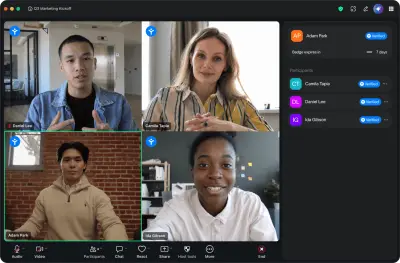
The attack began on Telegram, a popular messaging app. A journalist received a message from a trusted source—a hedge fund investor they had worked with before. The source introduced the journalist to a person pretending to be a well-known executive in the Bitcoin mining industry. They invited the journalist to a video call to discuss a new business project. When the journalist joined the call, the audio did not work. The fake executive told the journalist to download a software update to fix the sound. This "update" was actually a script designed to record keystrokes, see passwords, and take control of the computer.
Important Numbers and Facts
Data from security firms shows that North Korean hackers are becoming more active and successful. In 2025, hackers linked to the North Korean military stole approximately $2 billion in cryptocurrency. This was a 50% increase compared to the previous year. Security researchers found that the specific script used in this attack was linked to the "DPRK," which is the official name for North Korea. These hackers often target journalists not just for their money, but for their contact lists, which contain information on many wealthy individuals.
Background and Context
North Korea is heavily restricted by international rules that prevent it from using the global banking system. To get money for the country, the government supports groups of hackers who steal digital assets. The crypto industry is a major target because digital money can be moved quickly across borders. Hackers often use "phishing," which is the practice of sending fake messages to trick people into giving up sensitive information. In this case, the hackers used a more advanced version called "social engineering," where they spent weeks building a fake relationship with the victim before launching the attack.
Public or Industry Reaction
Security experts say this "fake video call" scam is becoming very common. Researchers from groups like SEAL 911, who help hack victims, have seen hundreds of similar cases. Many people in the industry are frustrated with messaging apps like Telegram for not doing enough to stop hackers from using stolen accounts. While Telegram says it tries to protect users, it also notes that it cannot stop people from being tricked into giving away their login details. The real people who were being impersonated in this story expressed deep sadness and frustration that their names were used to hurt others.
What This Means Going Forward
This incident serves as a warning that digital security is about more than just software. It is also about being careful with who you trust online. Moving forward, individuals and companies must be suspicious of any request to download software during a meeting, even if the request comes from someone they know. Hackers are likely to continue using these methods because they are cheap and effective. As they get better at pretending to be real people, the risk to journalists, investors, and everyday users will continue to grow.
Final Take
The story of this near-miss shows that no one is completely safe from modern cyberattacks. Even with the help of a professional IT department and years of experience, a single moment of trust can lead to a major security breach. Staying safe requires a constant state of caution and a willingness to double-check every link and file, no matter who sends it. The battle against state-sponsored hacking is ongoing, and the best defense is often a healthy dose of skepticism.
Frequently Asked Questions
How do North Korean hackers trick people?
They often take over a real person's account and message their friends. They invite the victim to a video call and then ask them to download a fake "update" to fix a technical problem, which actually installs a virus.
Why does North Korea steal cryptocurrency?
Because the country is blocked from using regular banks, it uses stolen crypto to fund its government and military programs. It is a way for them to get money from the outside world without following international laws.
What should I do if a video call asks me to download an update?
You should never download software from a link provided during a call. If you are having technical issues, go directly to the official website of the service, such as Zoom or Google, to check for updates yourself.