
Summary
Aravind Srinivas, the CEO of Perplexity, recently shared a positive view on job cuts caused by artificial intelligence. He argued that many people do not enjoy their current jobs and that AI could give them the freedom to start their own small businesses. While other tech leaders warn of high unemployment, Srinivas believes this shift will lead to a better future where people can be more creative and independent. This perspective comes as thousands of workers in the tech industry lose their jobs to new automation tools.
Main Impact
The rise of AI is changing the way companies think about their workers. For many years, big businesses needed thousands of employees to grow. Now, new tools allow a very small group of people to do the same amount of work. This change is causing two major things to happen at once. First, large companies are letting go of workers to save money and become more efficient. Second, young entrepreneurs are building successful companies with almost no staff. This shift could mean that the traditional way of working for a big company is slowly fading away.
Key Details
What Happened
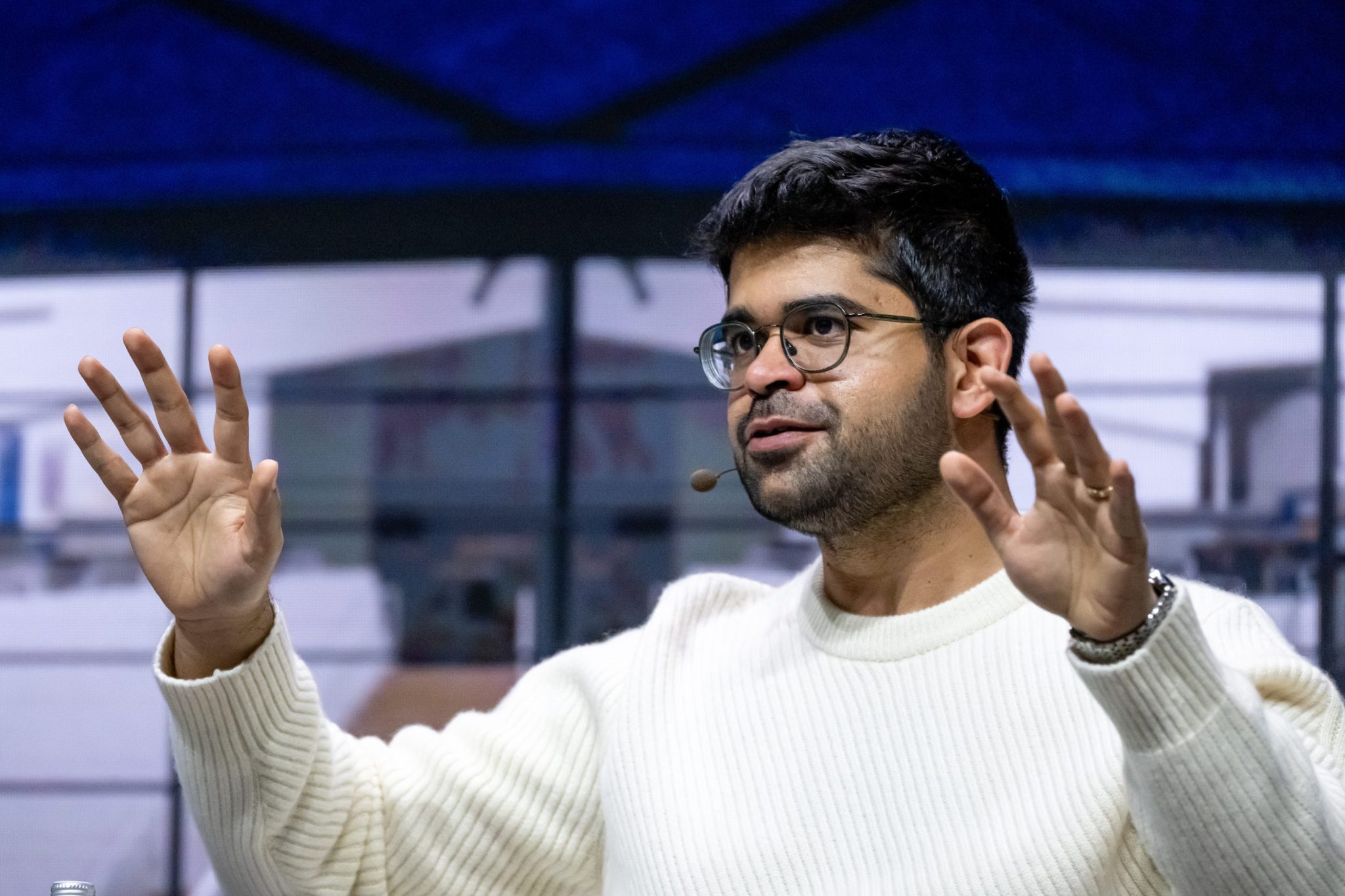
During a recent podcast recorded at a major tech event, Aravind Srinivas explained that people should not fear AI taking over jobs. He suggested that being "displaced" from a job is actually an opportunity. According to Srinivas, most workers are stuck in roles they do not like. He believes that AI tools are easy to learn and can help anyone start a "mini business." Instead of seeing a dark future, he called this transition a "glorious" path forward for workers who want more control over their lives.
Important Numbers and Facts
The impact of AI on the workforce is already visible in recent data. Since February 2025, more than 101,000 jobs in the United States have been lost due to AI-related changes. For example, the company Block recently cut its staff by 40%, which meant 4,000 people lost their jobs. On the other side of the trend, a small company called TurboAI is making $1 million every month with only 13 employees. The founders said that without AI, they would have needed more than 100 people to reach that level of success. Additionally, reports show that fewer new businesses are planning to hire a large number of employees compared to previous years.
Background and Context
To understand this shift, it helps to look at how work has changed over time. In the past, the industrial revolution created many factory jobs. These jobs were often repetitive and required people to work in a very structured way. Srinivas mentioned that leaders like Henry Ford put people "into a box" by creating these types of roles. AI is different because it handles the repetitive tasks for us. This allows humans to focus on solving problems and creating new things. The goal for many tech leaders now is to help businesses run on their own as much as possible, which reduces the need for a large workforce.
Public or Industry Reaction
Not everyone agrees with the positive outlook shared by the Perplexity CEO. Some leaders, like the CEO of ServiceNow, predict that unemployment could reach 30% in the next few years because of AI. This has caused a lot of worry among students and current workers. However, some experts believe the situation is being exaggerated. Some economists say that companies are "AI washing." This means they are blaming AI for layoffs when the real reason might just be a slow economy or poor management. Other investors argue that this is just another wave of technology, similar to the internet or the steam engine, and that the job market will eventually find a new balance.
What This Means Going Forward
In the coming years, we may see the rise of the "one-person unicorn." A unicorn is a term for a startup company worth $1 billion. In the past, reaching that value required thousands of employees. Now, experts believe a single person using powerful AI tools could build a billion-dollar company alone. This will likely lead to more competition and more small businesses. For workers, the next step will be learning how to use these tools to stay relevant. The risk is that those who do not adapt may find it harder to find traditional roles, while those who embrace the technology could find new ways to earn a living.
Final Take
The conversation around AI and jobs is moving away from "if" layoffs will happen to "how" we should handle them. While losing a job is difficult, the current trend suggests a future where individuals have more power to create their own work. Success in this new era will likely depend on a person's ability to use AI as a partner rather than seeing it only as a threat to their paycheck.
Frequently Asked Questions
What does "AI washing" mean?
AI washing is when a company blames artificial intelligence for cutting jobs or making changes, even if AI isn't the real reason. They do this because it sounds more modern than admitting the company is struggling or just wants to increase profits.
Can one person really run a billion-dollar company?
While it hasn't happened yet, many tech experts believe it is possible. AI can now handle coding, customer service, and marketing, which are the tasks that usually require a large team of people.
Is AI unemployment permanent?
Some experts believe it is a temporary shift. They argue that while old jobs disappear, new types of work will be created that we cannot even imagine yet, similar to how the internet created jobs for social media managers and app developers.