
Summary
The Punjab and Haryana High Court in Chandigarh faced a major security scare on Thursday after receiving a bomb threat. An anonymous email sent to the police warned that an explosive device had been placed within the court complex. Authorities acted quickly to evacuate the entire building, including judges, lawyers, and staff, to ensure everyone’s safety. This incident has caused significant concern as it follows another violent event in the city just one day earlier.
Main Impact
The immediate impact of the threat was the total shutdown of court activities for the day. Hundreds of people had to leave the premises in a hurry, leading to scenes of worry and confusion. Because the High Court is a central hub for legal matters in the region, the evacuation stopped many important hearings and legal meetings. Beyond the court walls, the surrounding roads in Chandigarh saw heavy traffic jams as police blocked off areas to allow emergency teams to work. The event has put the entire city’s security forces on high alert, creating a sense of unease among the local population.
Key Details
What Happened
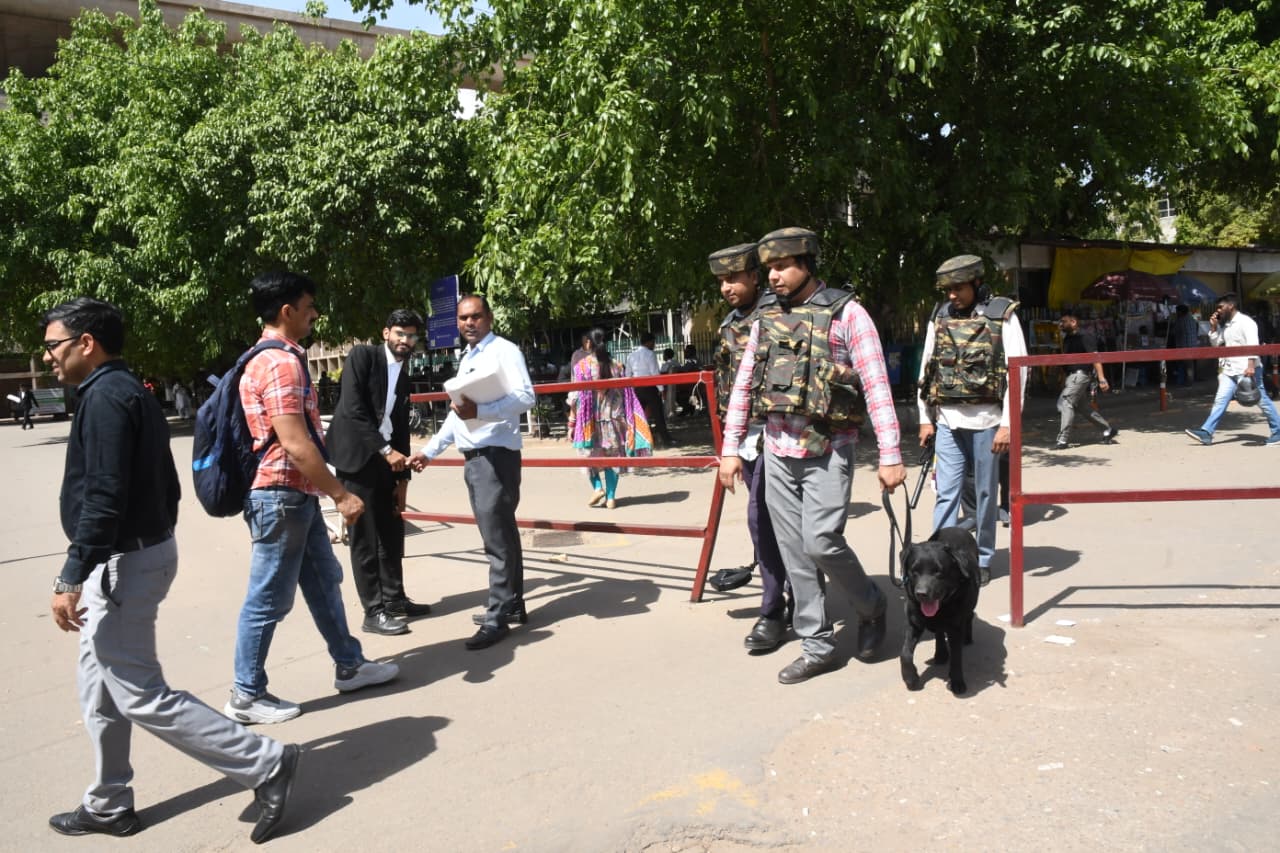
On Thursday morning, an email arrived at the office of the Senior Superintendent of Police (SSP) in Chandigarh. The message claimed that a bomb was hidden somewhere inside the Punjab and Haryana High Court. As soon as the police read the message, they triggered an emergency plan. Officers rushed to the court and told everyone to leave the building immediately. A special team known as the Bomb Detection Squad arrived with trained dogs and electronic equipment to search every corner of the large complex. They checked offices, courtrooms, and parking areas to find anything suspicious.
Important Numbers and Facts
The threat was reported on April 2, 2026. This is not the first time the court has been targeted; similar threats were sent in May of last year and again in February of this year. Security experts are particularly worried because this threat came only 24 hours after a hand grenade was thrown outside the Punjab BJP office in Sector 37. The police are now looking at these events to see if they are connected. While the search operation continued for several hours, the police worked to trace the digital footprint of the email to find out who sent it and from where.
Background and Context
The Punjab and Haryana High Court is one of the most important legal institutions in northern India. It handles thousands of cases from two different states and the union territory of Chandigarh. Because of the nature of the work done there, the court usually has strict security. However, sending threats via email has become a recurring problem for the authorities. These "hoax" threats are often designed to cause panic and waste police resources, but the police must treat every single one as a real danger. The recent grenade attack at a political office nearby has made the situation even more tense, as it shows that there are active threats to peace in the city.
Public or Industry Reaction
The reaction at the court was one of sudden fear followed by frustration. Many lawyers expressed that these repeated threats make it difficult to work and feel safe. Members of the legal community have called for even tighter security measures, such as better scanning at the gates and more frequent patrols. On social media, residents of Chandigarh shared their worries about the rising number of security incidents in the city. People are asking for quicker updates from the police to understand if the threats are real or just meant to cause trouble. The local bar association is expected to meet with police officials to discuss how to better protect the people who visit the court every day.
What This Means Going Forward
Moving forward, visitors to the Punjab and Haryana High Court can expect much stricter security checks. There will likely be more police officers stationed at the entrances and more frequent use of metal detectors. The police department is also focusing on its cyber-crime unit to track down the person who sent the email. Using technology to hide one's identity online is common, but investigators are using advanced tools to find the source. If the person is caught, they could face very serious legal charges for causing public panic and threatening a government institution. The city administration may also review security at other important buildings to prevent similar scares.
Final Take
The bomb threat at the High Court is a reminder of how easily public order can be disturbed. While it is fortunate that no explosives were immediately found, the disruption to the legal system and the fear caused to the public are very real. The police must find a way to stop these threats from happening so frequently. Keeping the public safe while ensuring that the courts can continue their work is a difficult but necessary task for the Chandigarh authorities.
Frequently Asked Questions
Was a bomb actually found at the High Court?
As of the latest reports, the Bomb Detection Squad was conducting a thorough search. No explosive devices have been confirmed yet, but the police are staying cautious until the entire area is cleared.
How did the police find out about the threat?
The threat was sent as an email to the office of the Senior Superintendent of Police (SSP) in Chandigarh. The email specifically mentioned that a bomb had been planted inside the court premises.
Is this incident related to the grenade attack at the BJP office?
The police are currently investigating if there is a link between the two events. Since the grenade attack happened only one day before the court threat, security agencies are looking for any possible connections between the suspects.