
Summary
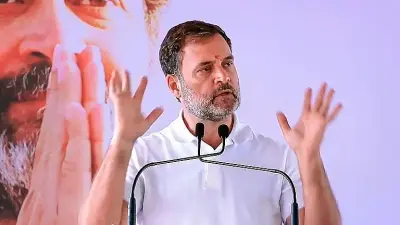
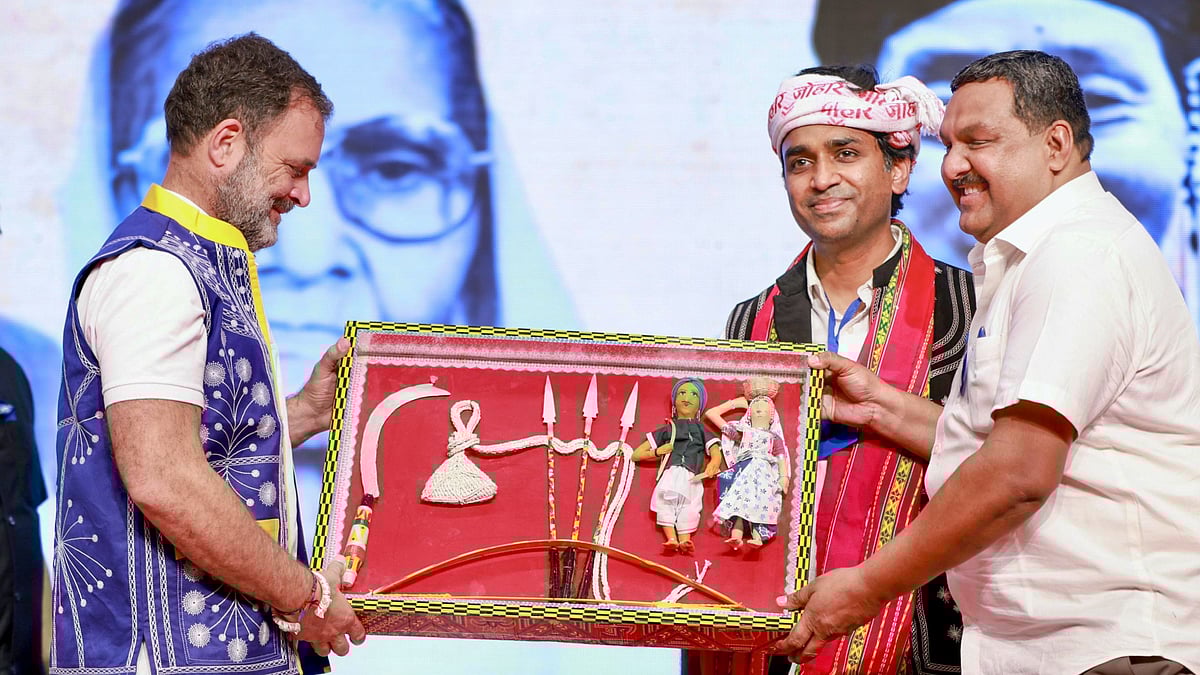
Congress leader Rahul Gandhi recently spoke at a major event in Vadodara, Gujarat, where he criticized the BJP and RSS for their treatment of tribal communities. He argued that the term "Vanvasi," which the BJP often uses, is a way to strip tribals of their historical rights to land and resources. Gandhi emphasized that the correct term is "Adivasi," which recognizes them as the original owners of the land. His speech also covered concerns about a new trade deal with the United States and the urgent need for a national caste census.
Main Impact
The main impact of this speech is a clear shift in how the opposition plans to challenge the ruling party regarding tribal identity. By focusing on the difference between "Adivasi" and "Vanvasi," Gandhi is trying to build a stronger connection with tribal voters before upcoming elections. This debate is not just about words; it is about who has the legal right to forests, water, and minerals. If the public accepts the idea that tribals are the original owners, it becomes much harder for the government to take their land for industrial projects without their consent.
Key Details
What Happened
During the "Adivasi Adhikar Samvidhan Sammelan," Rahul Gandhi told the crowd that the language used by political leaders reveals their true intentions. He claimed that calling someone a "Vanvasi" suggests they are merely people who live in the woods, rather than the rightful owners of the territory. He stated that this choice of words is a direct attack on the Indian Constitution and the legacy of tribal heroes like Birsa Munda. Gandhi argued that while the government pretends to honor these icons, their policies often do the opposite by taking away tribal land for development projects.
Important Numbers and Facts
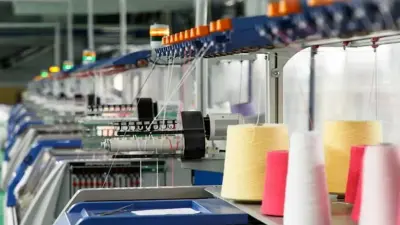
Gandhi highlighted several important figures to support his points. He noted that Adivasis, Dalits, and Other Backward Classes (OBCs) make up the vast majority of India's population. However, he pointed out that these groups do not hold a fair share of positions in the country’s power structures. Regarding the economy, he raised alarms about a trade deal with the United States. He claimed that India could end up importing goods worth Rs 9 lakh crore from the U.S. over the next five years. He warned that this massive influx of foreign goods could crush local Indian businesses and farmers who cannot compete with large-scale American operations.
Background and Context
This topic matters because tribal rights have been a central issue in Indian politics for decades. The term "Adivasi" comes from Sanskrit and means "original inhabitant." For many years, tribal groups have fought to protect their traditional way of life from being destroyed by mining and large factories. The Indian Constitution provides special protections for these groups, but many activists say these laws are often ignored. By bringing up the "Vanvasi" term, Gandhi is tapping into a long-standing debate about whether tribals should be integrated into mainstream society or if their unique status as original owners should be protected first.
Public or Industry Reaction
The reaction to Gandhi's speech has been strong. Supporters of the Congress party believe this focus on identity and land rights will help them win back tribal regions. On the other hand, members of the BJP have defended their use of the term "Vanvasi," often arguing that it simply means "forest dweller" and is not meant to be insulting. Meanwhile, farmer groups and small business owners are paying close attention to the warnings about the U.S. trade deal. Many are worried that opening the market to highly mechanized American farms will make it impossible for small-scale Indian farmers to survive.
What This Means Going Forward
Looking ahead, the Congress party plans to release a specific manifesto just for tribal communities. This document will likely include promises about land protection, better education, and more jobs in the government. The demand for a caste census will also remain a major talking point. If a census is conducted, it could lead to new laws that change how government jobs and university seats are handed out. Additionally, the government will face more pressure to explain the details of the India-US trade deal to ensure that local industries are not harmed by foreign competition.
Final Take
The debate over names and rights shows that the fight for the tribal vote is becoming more intense. By linking language to land ownership and economic survival, Rahul Gandhi is making a broad argument for social justice. Whether this strategy works will depend on whether tribal communities feel that these political promises will actually lead to better protection for their forests and a bigger say in how the country is run. The focus on the caste census and trade deals adds a layer of economic urgency to a long-standing cultural struggle.
Frequently Asked Questions
What is the difference between Adivasi and Vanvasi?
Adivasi means "original inhabitant," suggesting that tribal people were the first owners of the land. Vanvasi means "forest dweller," which some argue treats tribals as people who just happen to live in the woods without special ownership rights.
Why is Rahul Gandhi asking for a caste census?
He believes a census is necessary to find out the exact population of different groups. This data would be used to make sure that Adivasis, Dalits, and OBCs get a fair share of power in the government, police, and courts.
How could the India-US trade deal affect farmers?
The concern is that the U.S. uses very large, high-tech machines for farming, which makes their products cheaper. If these products enter India in large amounts, small Indian farmers might not be able to sell their own crops at a fair price.