
Summary
Americans were told to expect the biggest tax refund season in history this year. President Donald Trump promised that tax cuts would put more money back into the pockets of workers. However, a sudden rise in gas prices is now taking that extra money away. Because of the war in Iran, fuel costs have jumped so much that they are canceling out the benefits of the tax refunds for most families.
Main Impact
The main problem is that the extra cash people expected to spend is now going straight into their gas tanks. Earlier this year, the government hoped that large tax refunds would help the economy grow quickly. Instead, the high cost of fuel is forcing people to change their plans. When people spend more on gas, they have less money for things like eating at restaurants, buying new clothes, or going to the movies. This shift is slowing down the entire U.S. economy.
Key Details
What Happened
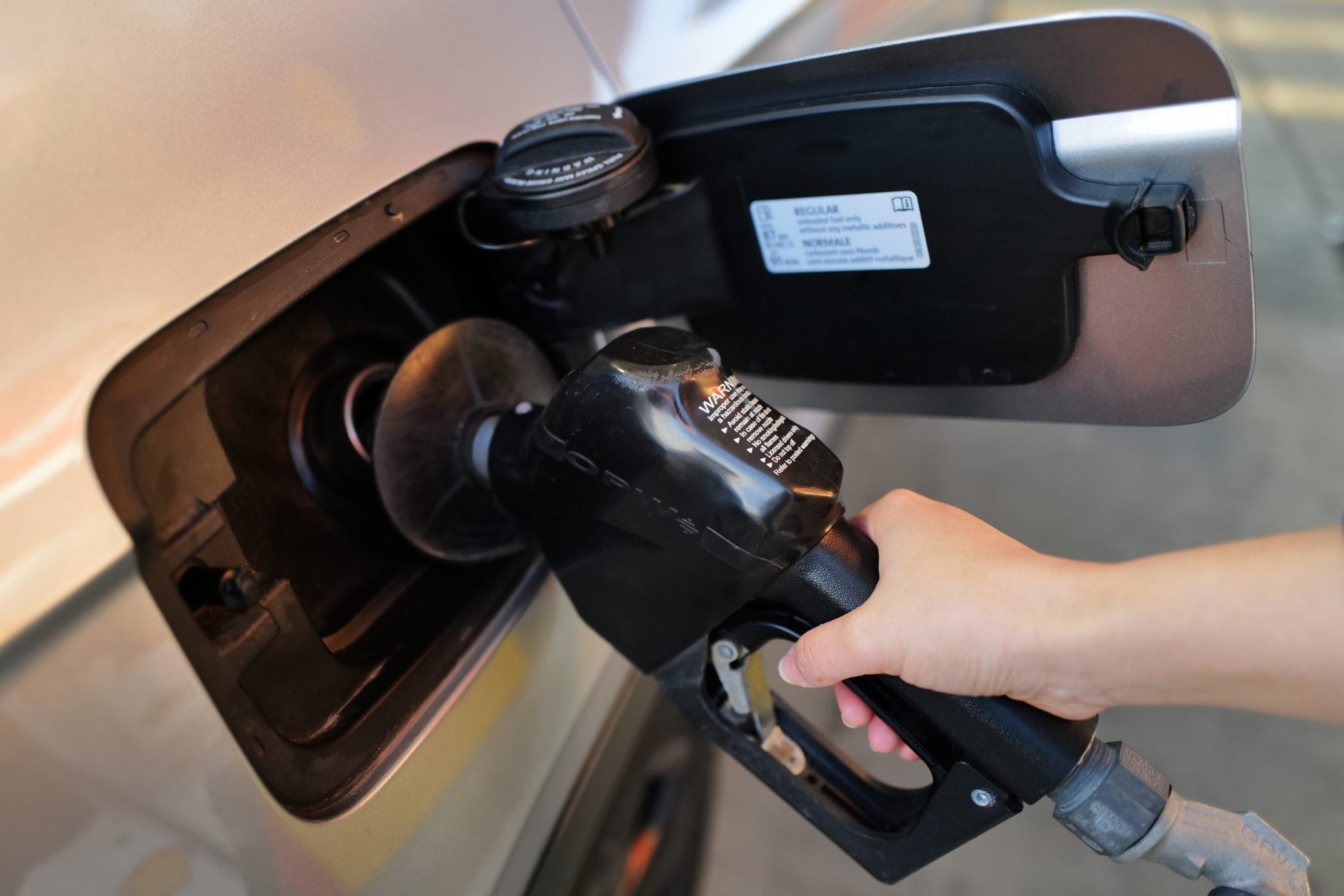
The situation changed quickly after the war in Iran began on February 28. This conflict caused oil and gas prices to move up very fast. By late March, the average price for a gallon of gas in the United States reached $3.94. This is a jump of more than one dollar in just a single month. Even if the war ends soon, experts believe prices will stay high because it takes a long time for shipping and oil production to return to normal.
Important Numbers and Facts
The numbers show a difficult balance for the average household. Experts from the Tax Foundation estimated that the average family would see their tax refund grow by about $748 this year. At the same time, economists now believe the average household will spend about $740 more on gas this year. This means the extra refund money is almost entirely gone before it can be used for anything else. Some experts even predict that gas prices could hit a peak of $4.36 per gallon by May.
Background and Context
This is not the first time gas prices have caused trouble for the economy. In 2022, prices went up after Russia invaded Ukraine. However, things are different now. Back then, many people still had extra savings from government help during the pandemic. Companies were also hiring many people and raising pay quickly. Today, the situation is more difficult. Hiring has slowed down, and many people have already spent their savings. Many families are now using credit cards or "buy now, pay later" services just to pay for basic needs like groceries.
Public or Industry Reaction
Economic experts are worried about how this will affect different groups of people. Those who earn less money are being hit the hardest. This is because lower-income families spend a much larger part of their paycheck on gas than wealthy families do. Policy experts note that the "energy shock" is hitting the people who have the least amount of extra money to spare. While some people are still spending money on travel and electronics, that spending is not growing as fast as many had hoped.
What This Means Going Forward
Because of these high costs, the outlook for the U.S. economy is changing. Some economists have lowered their growth predictions for the year. They previously thought the economy would grow by 2.5%, but now they expect only 1.9% growth. The longer gas prices stay high, the more they will hurt general spending. While the U.S. economy has been strong in the past, the combination of high debt and high fuel costs creates a risky situation for the coming months.
Final Take
The promise of a record-breaking tax season has been met with a harsh reality. While the tax cuts did result in larger checks for many, the timing of the global energy crisis has erased those gains. For the average American family, the "largest refund ever" is not a bonus; it is simply a way to keep up with the rising cost of driving to work and school. The expected economic boost has turned into a struggle to break even.
Frequently Asked Questions
Why are gas prices rising so fast?
Gas prices are rising mainly because of the war in Iran, which started in late February. The conflict has disrupted oil production and shipping, making fuel more expensive across the world.
Will my tax refund cover the extra cost of gas?
For many families, the answer is no. Estimates show that the average increase in tax refunds is about $748, while the average increase in yearly gas costs is about $740. This means the refund is almost entirely used up by fuel costs.
Who is affected most by these price changes?
Lower and middle-income families are affected the most. These households spend a higher percentage of their income on gas and often have less money saved to handle sudden price jumps.