
Summary
Russia has launched its largest drone attack on Ukraine since the start of the conflict, sending 948 drones across the border in just 24 hours. The massive wave of aerial strikes targeted several regions, including cities in western Ukraine that are often far from the front lines. This record-breaking assault caused widespread damage to residential buildings and left many civilians injured. The scale of the attack shows a significant change in how the air war is being fought.
Main Impact
The primary impact of this attack is the extreme pressure it puts on Ukraine’s air defense systems. By launching nearly 1,000 drones at once, Russia is using a "swarm" tactic designed to overwhelm defenders. When so many targets appear on radar at the same time, it becomes much harder for soldiers to shoot them all down. Even when drones are hit, the falling debris can cause fires and destroy homes on the ground.
This attack also shows that Russia has greatly increased its ability to produce or get drones. Using such a high number in a single day suggests they have large stockpiles ready for use. For the people living in western Ukraine, the strikes brought the reality of the war closer to home, hitting apartment blocks and neighborhoods that many felt were relatively safe.
Key Details
What Happened
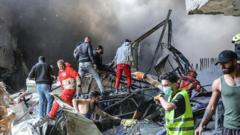
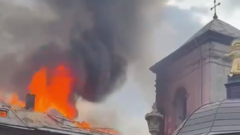
Starting late yesterday and continuing through the night, hundreds of drones crossed into Ukrainian airspace. They came from multiple directions, forcing air raid sirens to ring out across the country for hours. While many drones were aimed at the capital and eastern regions, a large number flew toward western cities like Lviv and Rivne. Emergency workers spent the morning searching through the rubble of damaged apartment buildings to find survivors. Many people were treated for injuries caused by glass from broken windows and fires started by the drone strikes.
Important Numbers and Facts
The total number of drones launched was 948, which is the highest count ever recorded in a 24-hour period. Ukrainian defense teams reported shooting down a large percentage of these, but dozens still managed to hit their targets or cause damage when they were intercepted. Local officials confirmed that several residential areas were hit directly. The attack involved "one-way" attack drones, which are designed to crash into a target and explode. These drones are much cheaper to build than traditional missiles, allowing them to be used in massive quantities.
Background and Context
Drones have become one of the most important tools in this war. In the beginning, both sides used drones mostly for looking at enemy positions. Now, they are used as flying bombs. Russia often uses drones designed in Iran or built in Russian factories to attack cities. These drones fly at low altitudes and move slowly, which can make them hard for some high-tech radar systems to see.
Ukraine relies on a mix of expensive missiles and "mobile fire groups" to stop these attacks. Mobile fire groups are teams of soldiers in pickup trucks with large machine guns and searchlights. They try to shoot the drones out of the sky before they reach major cities. However, when nearly 1,000 drones are in the air at once, even the best defense teams face a nearly impossible task.
Public or Industry Reaction
Ukrainian officials have reacted with calls for more international support. They are asking for more air defense systems and better technology to jam the signals that drones use to fly. President Zelenskyy and other leaders pointed out that these attacks are aimed at making life difficult for regular people, not just the military. They argue that the goal is to break the spirit of the population by making nowhere feel safe.
Military experts are also watching closely. Many believe this attack is a sign that Russia is testing how much Ukraine’s defenses can handle. If Russia can continue to launch hundreds of drones every day, it could drain Ukraine’s supply of expensive defense missiles very quickly. This has led to a debate about the need for cheaper ways to defend the sky, such as using lasers or electronic jamming.
What This Means Going Forward
This record-breaking attack suggests that the war is moving into a phase where drone swarms will be a regular threat. Ukraine will need to find new ways to protect its cities without spending too much money on each drone they shoot down. There is also a risk that these large attacks will target power plants and water systems as the weather changes, which could cause more problems for civilians.
For the international community, this event highlights the need for better drone-stopping technology. Countries supporting Ukraine may need to speed up the delivery of anti-drone tools. On the ground, cities in the west of Ukraine are likely to increase their safety measures and build more shelters to protect people from future strikes of this size.
Final Take
The launch of 948 drones in a single day is a clear sign that the scale of aerial warfare is growing. This attack was not just about hitting military targets; it was about overwhelming a nation's ability to defend itself. As both sides continue to develop new drone technology, the danger to civilian areas remains high. The ability of Ukraine to adapt to these massive swarms will be a major factor in the months ahead.
Frequently Asked Questions
Why did Russia use so many drones at once?
Russia used a large number of drones to overwhelm Ukraine's air defenses. By sending nearly 1,000 drones, they hope that the defense systems will run out of ammunition or become too busy to stop every single one.
What kind of damage did the drones cause?
The drones hit residential buildings and homes, mostly in western Ukraine. This caused many injuries to civilians and started fires that emergency teams had to fight throughout the night.
How does Ukraine try to stop these drone attacks?
Ukraine uses a mix of air defense missiles, electronic jamming to confuse the drones, and mobile fire groups. These fire groups use machine guns mounted on trucks to shoot down drones as they fly toward their targets.