
Summary
The United States Supreme Court is currently reviewing a case that could change how mail-in ballots are counted across the country. A majority of the conservative justices expressed doubt about state laws that allow election officials to count ballots that arrive after Election Day. This legal challenge, which started in Mississippi, could lead to a nationwide ban on late-arriving mail-in votes. If the court rules against these grace periods, it will significantly impact the 2026 midterm elections and how millions of Americans cast their votes.
Main Impact
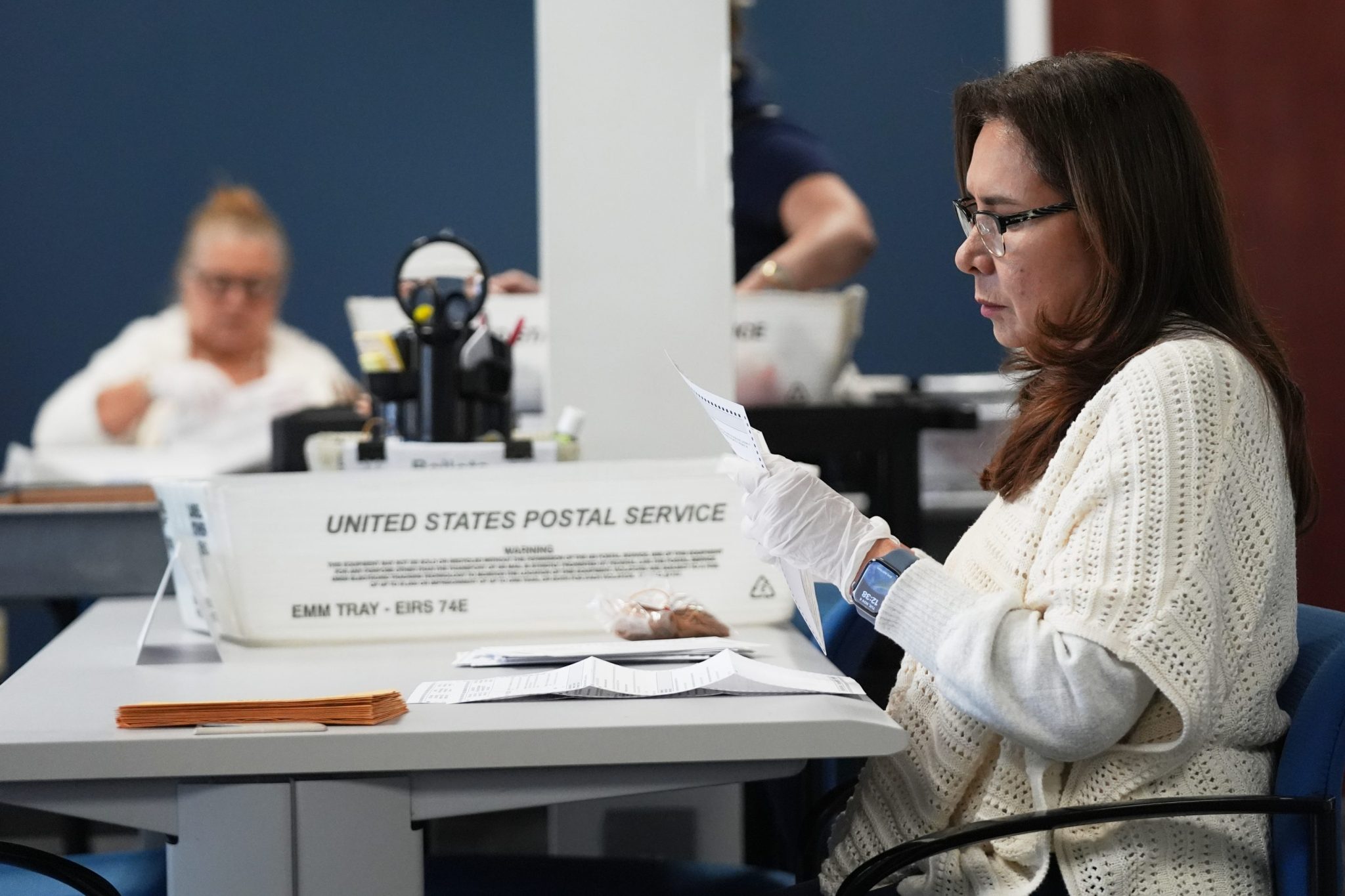
The primary impact of this case is the potential disqualification of thousands of legal votes. Currently, many states allow a "grace period" where ballots are counted as long as they are postmarked by Election Day, even if they arrive a few days later. If the Supreme Court decides that all ballots must be physically received by the time polls close, voters in at least 14 states and the District of Columbia will face much stricter deadlines. This change could lead to confusion among voters and might result in many ballots being thrown out simply because of mail delays.
Key Details
What Happened
The Supreme Court heard oral arguments regarding a Mississippi law that allows mail-in ballots to be counted if they arrive within five business days after the election. The only requirement is that the ballot must be postmarked by Election Day. Lawyers representing the Republican and Libertarian parties, along with supporters of former President Donald Trump, argued that federal law requires a single Election Day. They believe this means all voting activities, including the receipt of ballots, must be finished by that date.
Conservative justices, such as Samuel Alito, raised concerns about the "appearance" of fraud. He suggested that when a large number of ballots arrive late and change the results of an election, it can make people lose trust in the system. However, the lawyers defending the current law pointed out that there is no actual evidence of fraud caused by these late-arriving ballots.
Important Numbers and Facts
The reach of this ruling is extensive. While the case focuses on Mississippi, it directly affects 13 other states and Washington, D.C., which have similar grace periods. Furthermore, 15 additional states have special rules for military and overseas voters that could be put at risk. The states with the most to lose include large ones like California, Texas, New York, and Illinois. Alaska is also a major concern because its vast size and unpredictable weather often cause mail to move slowly. The court is expected to release its final decision by late June 2026, just months before the midterm elections begin.
Background and Context
This legal battle is part of a larger debate over how easy or difficult it should be to vote by mail. For many years, states have set their own rules for elections. Some states prefer to give voters more time to ensure every vote is counted, especially since the postal service can sometimes be slow. However, critics of mail-in voting argue that these rules create opportunities for cheating, even though election officials and experts say the system is secure.
The case moved to the Supreme Court after a lower court, the 5th U.S. Circuit Court of Appeals, ruled that Mississippi’s grace period was illegal. That lower court ruling was made by three judges who were all appointed by Donald Trump. This has made the issue highly political, as different parties disagree on whether the rules should be set by the states or by the federal government.
Public or Industry Reaction
The reaction to the court's discussion has been divided. Liberal justices, including Sonia Sotomayor and Elena Kagan, argued that the courts should not be the ones making these rules. They believe that Congress and individual state governments have the power to decide how to run their own elections. Justice Kagan also warned that if the court bans late-arriving ballots, the same logic could be used to stop early voting or other types of absentee voting.
Election officials from across the country have also expressed worry. In written statements to the court, officials from major cities and states warned that changing the rules so close to an election would cause massive confusion. They argued that voters who have followed the same rules for years might suddenly find their votes rejected through no fault of their own.
What This Means Going Forward
If the Supreme Court rules that ballots must be received by Election Day, states will have to quickly rewrite their election laws. This would likely mean that voters would need to mail their ballots much earlier than they do now. It could also lead to a surge in people voting in person to ensure their vote counts, which might create longer lines at polling places. Another major concern is the impact on military members serving overseas. These voters often rely on grace periods because mail from foreign countries can take a long time to reach the United States.
There is also a risk of more legal battles. If the court sets a strict deadline for receiving ballots, lawyers may start challenging other voting methods, such as drop boxes or early voting centers. This could lead to a period of instability in how American elections are managed.
Final Take
The Supreme Court’s upcoming decision will be a turning point for American voting rights. By focusing on the exact timing of when a ballot is received rather than when it is cast, the court may prioritize strict deadlines over the goal of counting every legal vote. As the 2026 midterms approach, both voters and election officials must prepare for the possibility that the rules of the game are about to change significantly.
Frequently Asked Questions
What is a ballot grace period?
A grace period is a set number of days after Election Day during which election officials can still accept and count mail-in ballots. To qualify, these ballots usually must be postmarked on or before Election Day.
Which states would be affected by this ruling?
At least 14 states and the District of Columbia currently have grace periods that could be banned. This includes states like California, New York, Texas, Illinois, and Mississippi. Many other states with rules for military voters could also be impacted.
When will the Supreme Court make its final decision?
The court is expected to issue its ruling by late June 2026. This timeline ensures the new rules will be in place before the 2026 midterm congressional elections begin.