
Summary
The United States military recently carried out a high-stakes rescue mission deep inside Iran to save a downed F-15 airman. To make the mission possible, troops built a temporary, secret airfield in a remote mountain area near the city of Isfahan. While the airman was successfully brought home, the operation was very difficult and resulted in the loss of several American aircraft that had to be destroyed on the ground.
Main Impact
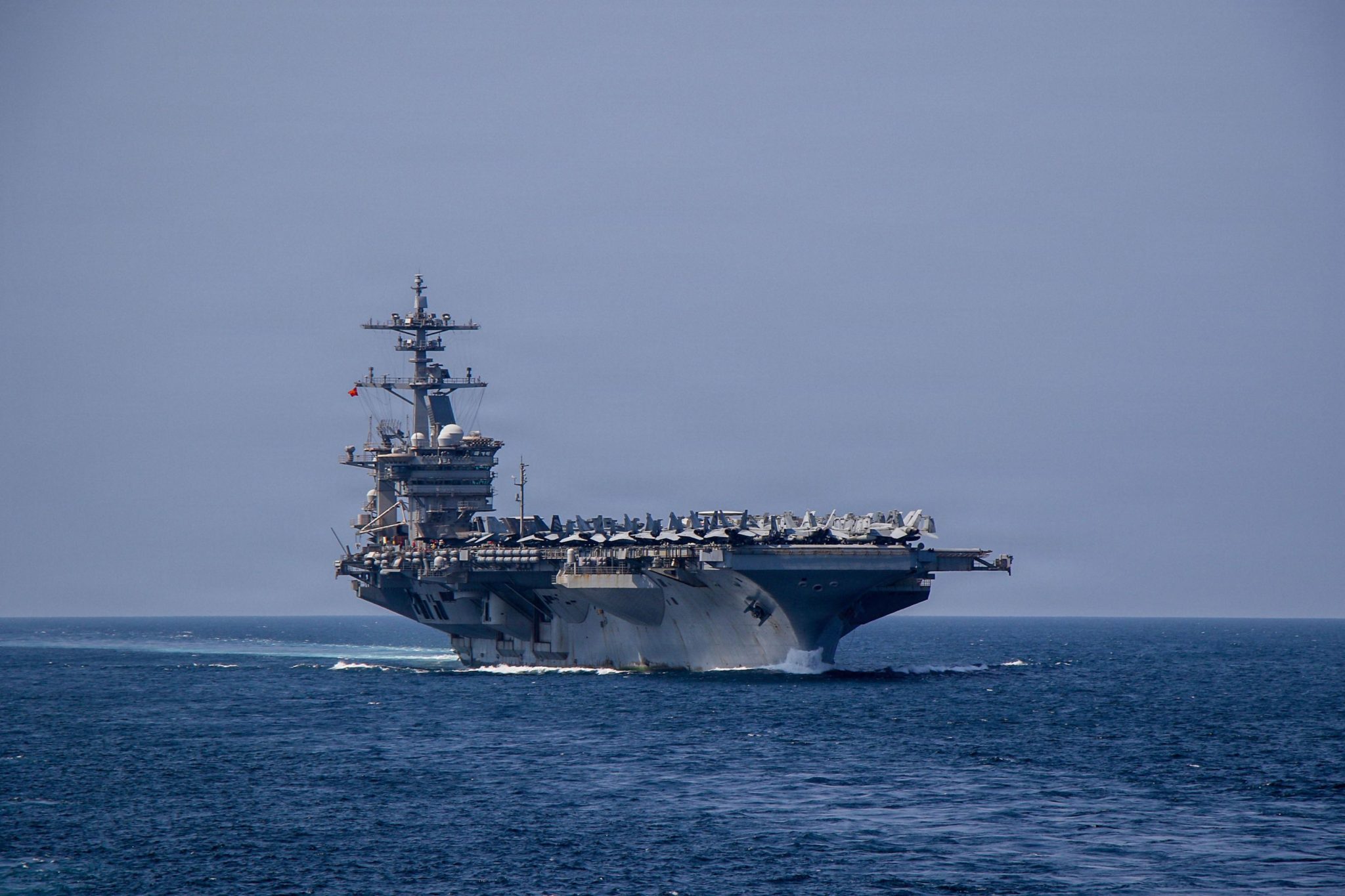
This mission shows both the strength and the risks of U.S. military operations in the region. By setting up a temporary base inside enemy territory, the military proved it could reach deep into Iran. However, the loss of multiple transport planes and helicopters highlights how dangerous these missions are. The event has sparked a debate about whether a full ground war is a safe or smart move, especially since Iran’s defenses still seem capable of hitting American planes.
Key Details
What Happened
The rescue began after an F-15 weapons system officer was shot down over Iran. The airman managed to stay hidden from Iranian forces for more than 24 hours. During that time, he showed incredible strength by hiking up a mountain ridge that was 7,000 feet high, despite being injured. Navy SEAL Team 6 commandos were eventually sent in to find him and bring him to the temporary airfield.
The mission hit a major problem when two large C-130 transport planes became stuck at the temporary airfield. Because they could not take off, the military had to fly in more planes to pick up the troops and the rescued airman. To make sure the stuck planes did not fall into the hands of the Iranian military, U.S. forces had to blow them up before leaving the area.
Important Numbers and Facts
The operation was massive in scale. Reports indicate that hundreds of special operations troops and dozens of aircraft were involved in the rescue. In total, the U.S. lost at least four aircraft during this period. This includes the original F-15 that was shot down, an A-10 attack plane that crashed after being hit by fire, and at least two C-130s that were destroyed at the landing site. Some reports suggest small helicopters were also left behind and destroyed.
Background and Context
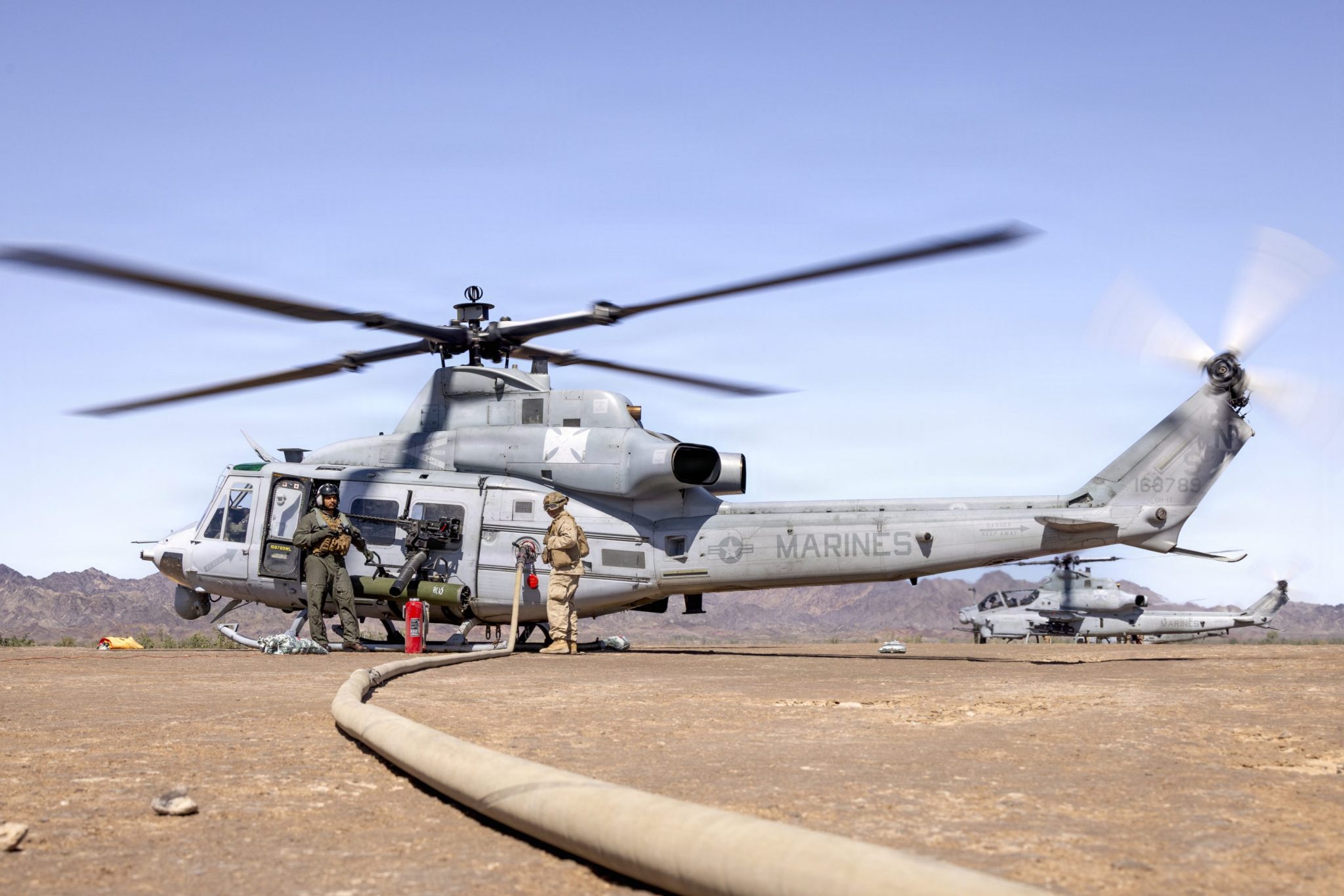
The temporary airfield used in this mission is called a Forward Arming and Refueling Point, or FARP. Think of a FARP as a mobile gas station and ammunition shop for planes and helicopters. In a war, aircraft often need to travel long distances. They cannot always fly all the way back to a large, permanent base to get more fuel or bullets. By setting up a FARP in a hidden spot, the military can keep its helicopters and jets in the fight for much longer.
Building these airfields is a specialized skill. It requires troops to quickly clear a flat piece of land, set up fuel bladders, and defend the area from enemies. The U.S. Marines and Army practice these setups constantly in deserts in California and Arizona to prepare for exactly this kind of situation in the Middle East.
Public or Industry Reaction
Military experts are divided on what this mission means for the future. Some analysts believe the rescue was a success because the airman was saved despite the extreme difficulty of the terrain. They argue it proves that U.S. special forces can operate anywhere. Others are more worried. They point out that losing several expensive aircraft for a single rescue mission is a very high price to pay. These experts suggest that if a larger ground war starts, the U.S. could face much heavier losses than the government expects.
What This Means Going Forward
The U.S. is currently moving thousands of more troops into the Middle East. This includes members of the 82nd Airborne Division and several Marine units. These troops are trained for ground combat and for seizing important locations. There is talk that the military might try to take control of Kharg Island. This island is very important because it is where most of Iran’s oil is sent to other countries. If the U.S. takes the island, it could stop Iran from selling oil, but it would also mean a much larger and more dangerous fight on the ground.
Final Take
The rescue of the F-15 airman was a brave and complex act, but it served as a wake-up call. It proved that even with the best training and technology, the mountains of Iran are a deadly place to operate. As more American troops arrive in the region, the military must decide if the goal of the mission is worth the high risk of losing more people and equipment in such a difficult environment.
Frequently Asked Questions
What is a FARP in the military?
A FARP is a temporary station set up in a remote area. It allows military aircraft to land, get more fuel, and load up on weapons so they can return to their mission quickly without flying back to a main base.
Why did the U.S. destroy its own aircraft in Iran?
Two transport planes got stuck in the soft ground or rough terrain at the temporary airfield. The military destroyed them so that Iran could not capture the planes and study American technology.
Was the airman who was shot down rescued?
Yes, the F-15 weapons system officer was successfully rescued by Navy SEALs and brought back to safety, although he suffered injuries during the event and his time in the mountains.