
Summary
The Hollywood actors' union, SAG-AFTRA, is pushing for a new rule called the "Tilly tax" to control the use of artificial intelligence in movies. This tax would require film studios to pay a fee when they use AI-generated characters instead of real people. The goal is to make using digital actors just as expensive as hiring human ones. By doing this, the union hopes to protect jobs and ensure that technology does not replace workers simply because it is cheaper.
Main Impact
This move marks a major step in how labor unions are fighting back against the fast growth of AI. If the "Tilly tax" is included in the next contract, it could change how movies are made. Studios would no longer have a financial reason to choose a computer-generated performer over a living actor. This ensures that human creativity remains the heart of the film industry while preventing a race to the bottom in terms of wages and job security.
Key Details
What Happened
Duncan Crabtree-Ireland, the leader of SAG-AFTRA, spoke about these plans at a recent workers' summit in Washington. He explained that while the government is slow to pass laws about AI, labor unions can act much faster through contract talks. The union is currently in the middle of negotiating a new deal with major Hollywood studios. They want to set strict rules on "synthetic" characters—performers created entirely by software that do not look like any specific real person.
Important Numbers and Facts
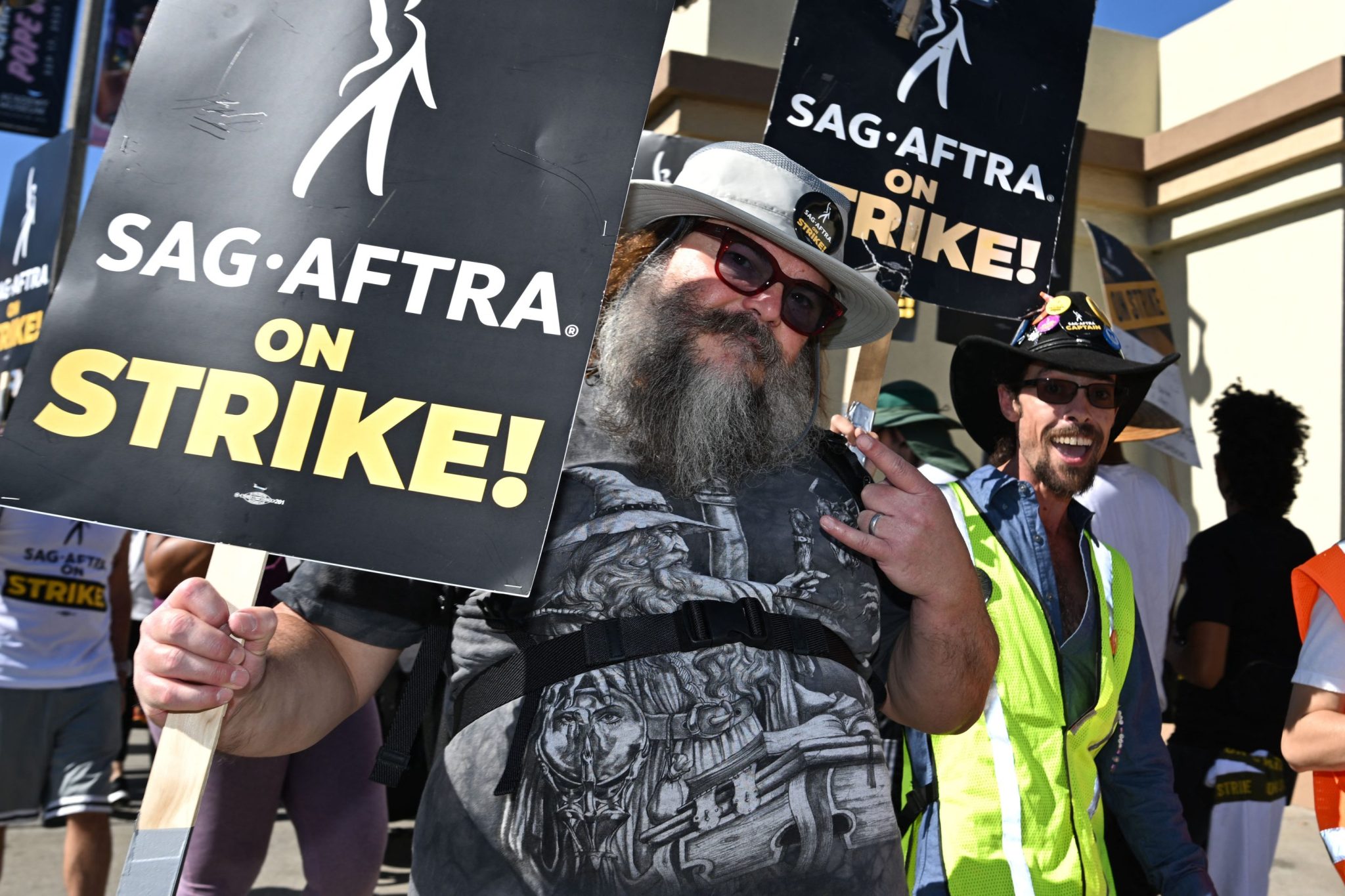
The current contract between the actors and the studios is set to end in June 2026. This gives the union a short window to reach an agreement. This push follows the massive 2023 strike, which lasted for nearly four months and stopped almost all film and television production in the United States. During that strike, the union won the right for actors to give permission and receive pay if a studio wanted to make a digital copy of them. The new "Tilly tax" is named after Tilly Norwood, a digital character that caused a stir in the industry last year.
Background and Context
Artificial intelligence has improved very quickly over the last few years. In the past, creating a digital person required expensive equipment and hundreds of artists. Now, AI can create realistic faces and voices with much less effort. This has made many actors worried that they will be replaced by "synthetic" performers who do not need breaks, food, or a salary.
The union argues that if it becomes too cheap to use AI, studios will stop hiring background actors and supporting players. This would make it very hard for new actors to start their careers. By adding a tax or a fee to these AI characters, the union is trying to keep the cost of production fair for everyone involved.
Public or Industry Reaction
Many workers in the entertainment industry support the union's firm stance. They feel that AI should be a tool used by humans, not a replacement for them. However, some tech experts and studio executives argue that these rules might slow down innovation. They believe that AI can help tell stories that were impossible to film before. Despite these different views, the union remains focused on the economic side of the issue. They believe that if the money stays with human workers, the industry will remain healthy and creative.
What This Means Going Forward
The outcome of these negotiations will likely set a standard for other industries. If SAG-AFTRA successfully implements a tax on AI, other unions for writers, musicians, and even office workers might try to do the same. Beyond contract talks, the union is also asking the government for help. They are supporting a bill called the NO FAKES Act. This law would make it illegal for anyone to use AI to copy a person’s voice or face without their permission. The combination of new union contracts and federal laws could create a strong safety net for workers in the digital age.
Final Take
The fight over the "Tilly tax" shows that the battle for the future of work is happening right now. It is not just about whether technology is good or bad, but about who gets paid when that technology is used. By making AI as expensive as human labor, the union is making a clear statement: people are more valuable than code. The next few months of negotiations will decide if Hollywood remains a place for human talent or becomes a playground for digital replicas.
Frequently Asked Questions
What is the Tilly tax?
The Tilly tax is a proposed fee that movie studios would have to pay if they use AI-generated characters instead of human actors. It is designed to make AI performers cost the same as real people.
Who is Tilly Norwood?
Tilly Norwood is a well-known AI-generated actress. Her creation sparked a debate in Hollywood about whether digital characters should be allowed to take roles that could be played by real humans.
Why is the union doing this now?
The union is negotiating a new contract that expires in June 2026. They want to set rules for AI now before the technology becomes so common that it is impossible to control.