
Summary
The Indian government recently passed the Transgender Persons (Protection of Rights) Amendment Bill, 2026. While many activists hoped the new law would fix old problems, it has instead removed several important rights that the transgender community fought for over many years. The law changes how a person is legally recognized as transgender and introduces strict punishments that could harm those who support the community. This move has sparked widespread protests from lawyers, students, and members of the National Council for Transgender Persons.
Main Impact
The most significant impact of this new law is the loss of the right to self-identify. Previously, the Supreme Court of India ruled that every person has the right to choose their own gender identity. The 2026 amendment reverses this by requiring individuals to get approval from medical boards and government officials. This creates a system where doctors and bureaucrats decide a person's identity, which many see as a violation of personal dignity and privacy. It also makes it much harder for transgender people to access basic legal documents and protections.
Key Details
What Happened
On March 13, 2026, the Minister for Social Justice and Empowerment, Virendra Kumar, introduced the amendment bill in the Lok Sabha. Despite strong opposition from other political parties and activists, the bill moved quickly through the legislative process. By March 25, the Rajya Sabha had also passed the bill. During this time, several members of the National Council for Transgender Persons resigned in protest, stating that the government ignored their advice and concerns.
Important Numbers and Facts
The new law introduces a very harsh punishment for anyone found "compelling" or "alluring" a person to present as transgender. This crime now carries a sentence ranging from 10 years to life imprisonment. While this is presented as a way to prevent forced changes, the language is so broad that it could be used against NGOs or support groups that help transgender youth. Additionally, the law continues to treat crimes like rape against transgender people differently than crimes against cisgender women, often resulting in lighter sentences for attackers.
Background and Context
To understand why this is happening, we must look back at the 2014 NALSA judgment. In that landmark case, the Supreme Court recognized transgender people as a "third gender" and said they have the same constitutional rights as everyone else. This included the right to self-identify their gender. In 2019, a new law was passed to protect these rights, but it was criticized for being weak. Instead of making the 2019 law stronger, the 2026 amendment takes several steps backward by reintroducing medical checks that were previously rejected by the community.
Public or Industry Reaction
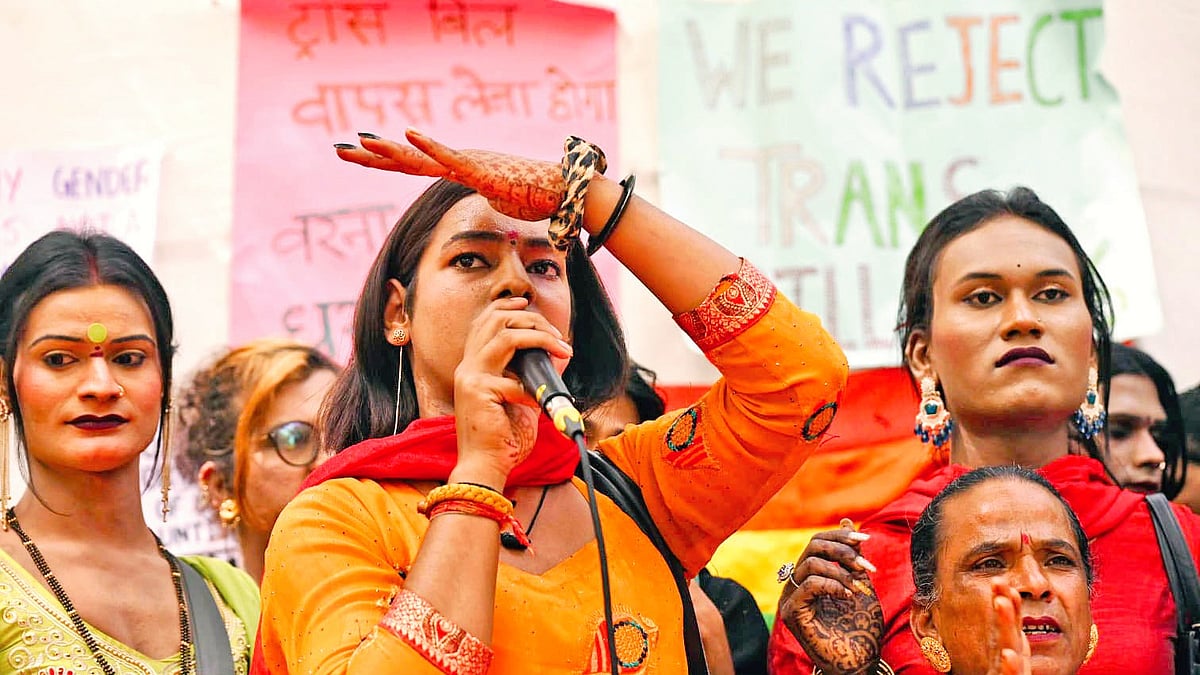
The reaction to the new law has been very negative among activists and legal experts. Law students across India have organized protests, calling the bill an attack on fundamental rights. Two prominent members of the National Council for Transgender Persons, Kalki Subramaniam and Rituparna Neog, resigned because they felt the government was not listening to the community. They reported that when they asked about unequal laws, government officials used "biological differences" as an excuse to deny equal protection. This has led to accusations that the government is using outdated ideas about biology to limit human rights.
What This Means Going Forward
There are serious concerns about how this law will affect the safety of transgender individuals. Many trans people face violence at home and seek help from community groups or NGOs. Under the new law, if a person runs away from an abusive family to join a support group, the family could claim the group "allured" or "compelled" them. This could lead to the arrest of activists and the closure of safe houses. Furthermore, the narrowing of the definition of "transgender" means that many people who do not fit into specific traditional categories may lose their legal status entirely. This will likely lead to an undercount in the upcoming Census and a loss of government benefits for many.
Final Take
The 2026 Amendment Bill is a major setback for equality in India. By removing the right to self-identify and giving power back to medical boards, the law ignores the lived experiences of thousands of people. It turns a matter of personal identity into a bureaucratic process. For a law that claims to protect rights, it seems to create more fear and risk for the very people it is supposed to help. True progress requires listening to the community, not passing laws that make their lives more difficult.
Frequently Asked Questions
What is self-identification in gender identity?
Self-identification is the principle that a person knows their own gender best. It means they should be able to change their legal gender on documents without needing a doctor's permission or medical surgery.
Why are medical boards a problem for transgender people?
Medical boards often involve invasive questions and physical exams. Activists argue that these boards act as "gatekeepers" and take away a person's right to decide their own identity, often leading to harassment or delays.
How does the new law affect support groups?
The law introduces long prison sentences for "compelling" someone to be transgender. Because the wording is not clear, families could use this law to file false kidnapping or allurement charges against NGOs that provide shelter to transgender people fleeing abuse.