
Summary
The United Nations has officially voted to recognize slavery as the most serious crime against humanity. This historic decision marks a major shift in how the international community views the history of forced labor and human trafficking. The resolution calls for countries involved in the slave trade to offer formal apologies and contribute to a global fund for reparations. This move aims to address the long-lasting economic and social damage caused by centuries of exploitation.
Main Impact
This vote is expected to have a massive impact on international relations and law. By labeling slavery as the "gravest crime," the United Nations is giving more power to nations that have long asked for justice. It moves the conversation from a simple historical debate to a formal legal and moral obligation. Wealthy nations that benefited from the slave trade may now face increased pressure to provide financial support to developing countries that were harmed by these past actions.
Key Details
What Happened
The United Nations General Assembly met to discuss the legacy of the transatlantic slave trade and other forms of historical bondage. After a period of debate, a majority of member states voted in favor of a new resolution. This document officially describes slavery not just as a mistake or a tragedy, but as the worst possible crime against human beings. The resolution specifically highlights the need for "reparatory justice," which means taking active steps to fix the harm done in the past.
Important Numbers and Facts
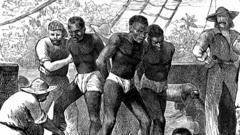
While the resolution is a major step, it does not yet set a specific dollar amount for the reparations fund. Instead, it creates a framework for countries to start giving money. Historians estimate that over 12 million Africans were forcibly taken across the Atlantic Ocean between the 16th and 19th centuries. The economic value of that stolen labor is estimated to be worth trillions of dollars in today's money. The UN resolution encourages member states to look at these figures when deciding how much to contribute to the new fund.
Background and Context
To understand why this vote is so important, it is helpful to look at what reparations mean. Reparations are a way for someone who did something wrong to make amends. In this case, it refers to the countries and companies that grew rich because of the slave trade. For decades, leaders in the Caribbean and Africa have argued that their countries are still poor today because of the wealth that was stolen from them centuries ago.
In the past, the United Nations has held conferences about racism and slavery, such as the one in Durban, South Africa, in 2001. However, those meetings often ended without strong action. This new resolution is different because it uses much stronger language and calls for a specific financial fund. It reflects a growing global movement to hold former colonial powers accountable for their history.
Public or Industry Reaction
The reaction to the vote has been mixed but mostly positive among human rights groups. Leaders from Caribbean nations, who have been leading the fight for reparations, called the vote a "victory for truth and justice." They believe that an apology without financial help is not enough to fix the deep problems caused by slavery, such as poverty and lack of education.
On the other hand, some Western nations have shown caution. While many have expressed regret for the past, they are worried about the legal and financial costs of a reparations fund. Some government officials argue that current taxpayers should not have to pay for the actions of their ancestors. Despite these concerns, the global consensus is moving toward acknowledging that the effects of slavery are still felt today and must be addressed.
What This Means Going Forward
The next few years will be focused on how to put this resolution into practice. The United Nations will need to set up a committee to manage the reparations fund. They will have to decide which countries should pay the most and which communities should receive the help. This will likely lead to many difficult debates about how to measure the damage done by slavery.
There is also the question of how this will change education. Many countries may start teaching more about the history of slavery and its impact on the modern world. This resolution could also lead to new laws that make it easier for people to seek justice for other types of human rights abuses. The goal is to ensure that such a "grave crime" never happens again while helping those who are still suffering from its legacy.
Final Take
The UN's decision to call slavery the gravest crime against humanity is a powerful statement that history cannot be ignored. It shows that the world is ready to have a serious conversation about justice and money. While the road to full reparations will be long and complicated, this vote provides a clear path forward. It reminds us that acknowledging the truth about the past is the only way to build a fairer future for everyone.
Frequently Asked Questions
What are reparations?
Reparations are actions or payments made by a country or group to make up for a past wrong. In this case, it refers to money or support given to help communities that were harmed by the slave trade.
Does the UN resolution say how much money countries must pay?
No, the resolution does not list a specific amount of money. It calls for countries to contribute to a fund, but the exact details of the payments will be decided in future meetings.
Why is this vote happening now?
There has been a growing global movement for social justice over the last few years. More countries are now willing to admit that the wealth of some nations was built on the forced labor of others, leading to this historic vote.