
Summary
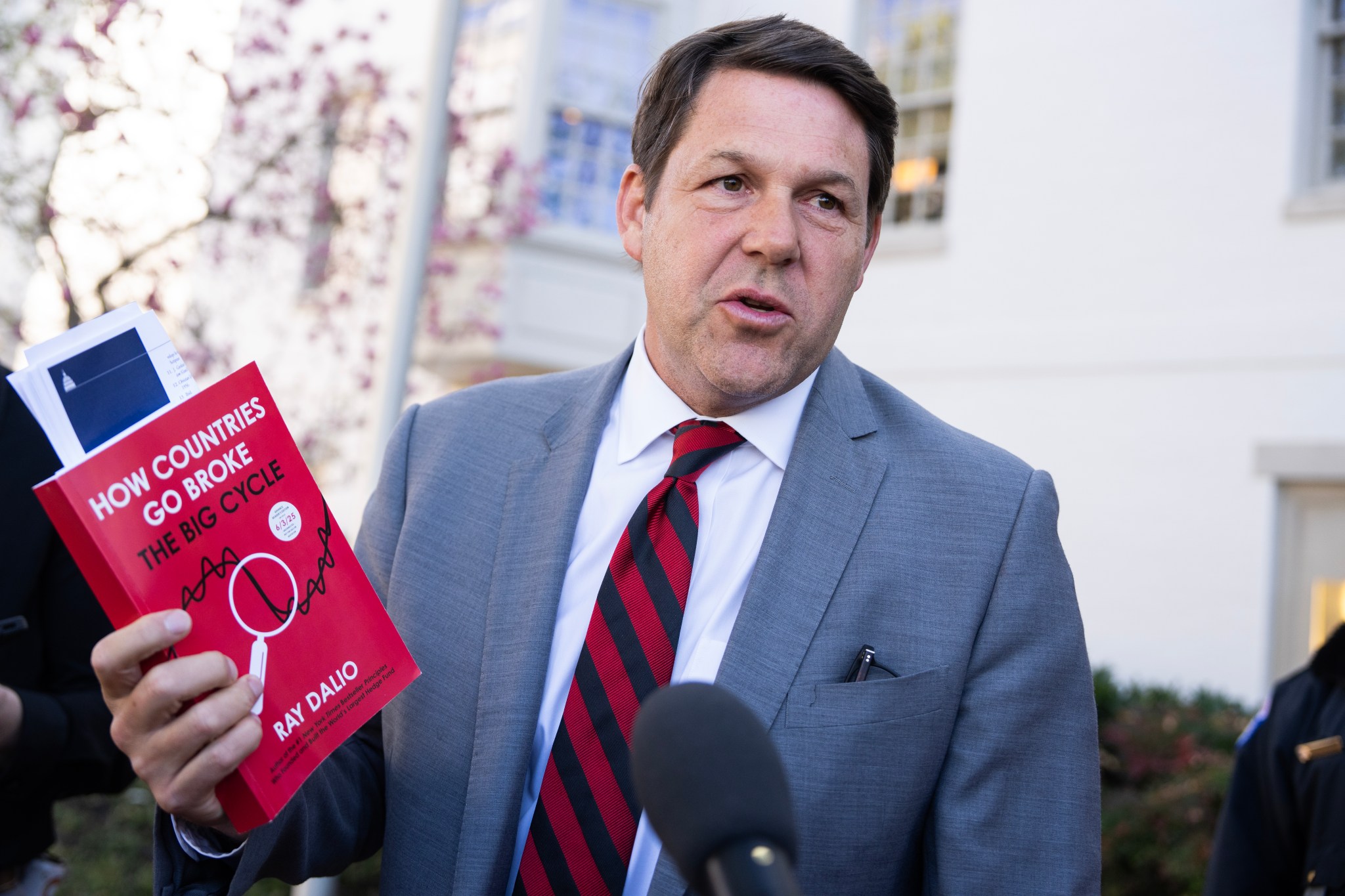
The United States national debt has reached a new high of $39 trillion, sparking serious concerns among government leaders. House Budget Committee Chairman Jodey Arrington warned that the cost of paying interest on this debt now exceeds $1 trillion per year. This interest cost is now higher than the entire U.S. defense budget. Experts and lawmakers are calling for urgent action to change how the country manages its money before the debt becomes an impossible burden for future generations.
Main Impact
The most significant impact of this rising debt is the sheer cost of interest. For the first time in history, the U.S. is spending more money just to cover the interest on its loans than it spends on protecting the country through the military. This shift means that a large portion of tax dollars is not going toward schools, roads, or healthcare, but is instead being used to pay back lenders. If this trend continues, the government will have less flexibility to handle emergencies or invest in the public's needs.
Key Details
What Happened
The U.S. national debt recently crossed the $39 trillion mark. To put this in perspective, it took the United States about 200 years to reach its first $1 trillion in debt. Today, the country adds that same amount of debt in just a few months. Because the total debt is so high, the interest payments alone have become a massive expense. In the 2025 fiscal year, the Treasury paid $1.22 trillion in interest. For the 2026 fiscal year, the government has already spent $520 billion on interest payments.
Important Numbers and Facts
The financial data shows a rapid increase in costs over a short period. According to the Congressional Budget Office, annual interest payments are expected to reach $2.1 trillion by the year 2036. Currently, every child in the United States effectively carries a $530,000 share of the national debt. This figure represents the total debt divided by the number of young people who will eventually be responsible for the nation's economy. Furthermore, the current interest cost is three times higher than it was when the current administration took office.
Background and Context
National debt is the total amount of money the federal government has borrowed to cover its spending over many years. For a long time, the debt grew slowly. It did not hit the $1 trillion mark until the early 1980s. However, in recent decades, spending has consistently been higher than the money coming in from taxes. This has caused the debt to grow faster and faster. When interest rates rise, the cost of holding this debt also goes up, making the problem even harder to solve. Financial leaders like Jerome Powell, the head of the Federal Reserve, have said that the country needs to have a serious and honest conversation about its spending habits.
Public or Industry Reaction
There are different ideas on how to fix the debt problem. Some lawmakers, including both Republicans and Democrats, suggest a plan to keep the yearly deficit below 3% of the country's total economic output. Currently, that deficit is around 6%. This group believes that setting a clear limit would help stabilize the economy. On the other hand, Chairman Jodey Arrington wants to take a much stronger step. He is calling for a special meeting called an Article V Convention. This would allow states to bypass Congress and add a rule to the U.S. Constitution that forces the government to balance its budget.
Other leaders have suggested different ways to bring in more money. Former President Donald Trump has proposed a "Gold Card" plan. This would involve selling green cards to wealthy immigrants for $5 million each. He believes this could raise trillions of dollars to pay down the debt. He has also talked about using tariffs, which are taxes on goods brought in from other countries, to increase government income. While some economists find these ideas unusual, they agree that the government needs to find new ways to balance the books.
What This Means Going Forward
If the government does not change its spending and borrowing habits, the interest payments will continue to eat up more of the federal budget. By 2036, the $2.1 trillion expected in interest payments could force the government to make very difficult choices. This might include cutting popular programs or raising taxes significantly. The call for a Constitutional Convention is a major move, but it is hard to achieve. It requires two-thirds of state legislatures to agree to the meeting and three-quarters of states to approve any changes. This means any long-term solution will likely require a lot of cooperation between different political parties.
Final Take
The United States is at a point where its past borrowing is catching up to its current budget. Spending more on interest than on national defense is a clear sign that the current financial path is difficult to maintain. Whether the solution comes from constitutional changes, spending cuts, or new ways to raise money, the goal remains the same: to prevent the debt from becoming a permanent weight on the American economy and its citizens.
Frequently Asked Questions
Why is the interest on the debt so high now?
The interest is high because the total amount of debt has reached $39 trillion and interest rates have increased. When the government borrows more money at higher rates, the cost to pay back those loans grows quickly.
What is an Article V Convention?
An Article V Convention is a method allowed by the Constitution for making changes to the law. It allows state governments to meet and propose new amendments, such as a requirement for a balanced budget, if two-thirds of the states agree to it.
How does the national debt affect the average person?
High national debt can lead to higher taxes in the future or fewer government services. It can also contribute to inflation and make it more expensive for regular people to borrow money for homes or cars.