
Summary
On April 17, 2026, the Indian government faced a major political setback as the Women’s Reservation Bill failed to pass in the Lok Sabha. Despite being a top priority for the ruling party, the bill did not get the "special majority" of votes required to change the Constitution. This event marks a rare moment in recent history where a government-backed bill was defeated on the floor of the House. The failure has raised many questions about why the government chose to push for a vote when it clearly did not have enough support from other parties.
Main Impact
The defeat of this bill is a significant blow to the political strategy of Prime Minister Narendra Modi and Home Minister Amit Shah. For the first time in 12 years, a Constitution amendment proposed by this government has been rejected. This loss stops, at least for now, the government's plan to not only reserve seats for women but also to increase the total number of seats in the Lok Sabha to 850. The failure to pass the bill means the current electoral structure remains unchanged, and the timeline for giving women more representation in Parliament is once again uncertain.
Key Details
What Happened
The debate lasted two days and ended in a tense voting session. To pass a change to the Constitution, the government needed a special majority, which is two-thirds of the members present and voting. In a House of 540 members, they needed 360 votes. However, only 298 MPs voted in favor, while 230 voted against it. Because they fell short of the 360-vote mark, the bill was defeated. Two other related bills, which dealt with redrawing voting districts and increasing the size of the House, were not even brought to a vote after the main bill failed.
Important Numbers and Facts
The voting took place on Friday, April 17, 2026. Out of 540 seats, 528 members were present. The final count was 298 for and 230 against. This is the first time since 1990 that a bill introduced by the government has been defeated in the Lok Sabha. It is also the first time any bill has been defeated in the entire Parliament since 2002. Just before the vote, Home Minister Amit Shah offered a last-minute change to increase the number of MPs by 50 per cent for every state, but the Opposition rejected the offer, calling it too late.
Background and Context
The Women’s Reservation Bill aims to set aside one-third of the seats in Parliament for women. While almost everyone agrees that women need more representation, the disagreement lies in "how" and "when" it should happen. The government wanted to link this reservation to a new census and a process called "delimitation." Delimitation is when the boundaries of voting areas are redrawn based on population changes. The Opposition argues that this is a trick to delay the reservation until after 2034. They want the reservation to start immediately, using the current 543 seats, so it can be in place for the 2029 general election.
Public or Industry Reaction
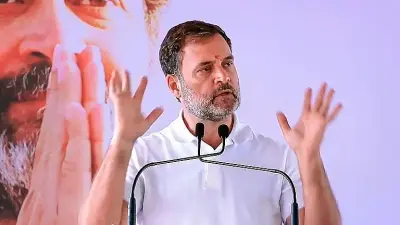
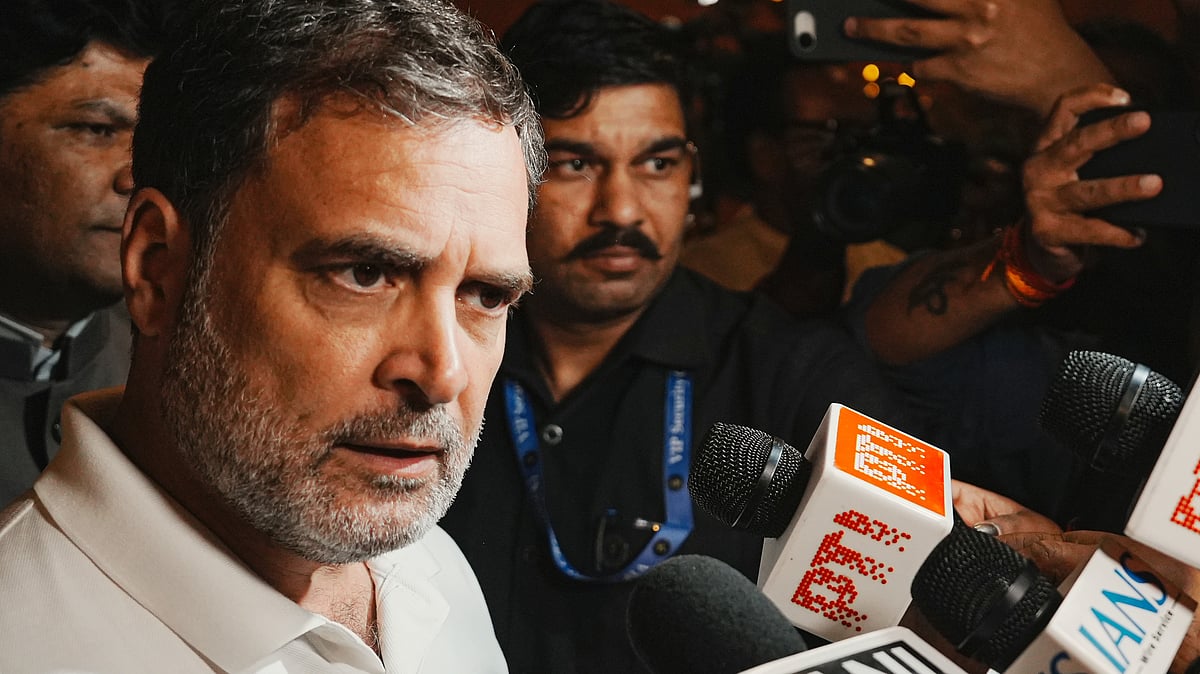
The Opposition, led by Rahul Gandhi, called the defeat a victory for the Constitution. They argued that the government was trying to change the entire political structure of India without proper discussion. Rahul Gandhi pointed out that the BJP usually plans its moves very carefully, so this defeat is a "mystery." Some BJP leaders privately suggested that they knew they might lose. They believe that by letting the bill fail, they can now tell voters that the Opposition is the reason women are not getting their reserved seats. This "martyr" strategy suggests the government might use the defeat as a campaign tool in upcoming elections.
What This Means Going Forward
The path to women’s reservation is now more complicated. The government must decide if it will try to talk to the Opposition to find a middle ground or if it will keep the issue as a point of conflict. The next big step is the 2027 Census. Without that census, the government’s current plan cannot move forward. Meanwhile, the Opposition will likely keep up the pressure, demanding that the 2023 version of the bill be put into action right away. The political battle over who gets credit for women’s reservation will likely be a major part of the 2029 election campaign.
Final Take
The defeat in the Lok Sabha is a rare moment of weakness for a government known for its strong control over Parliament. Whether this was a genuine mistake in counting votes or a calculated move to blame the Opposition, the result is the same: a major law is stuck. The mystery of why the government took such a big risk remains, but the focus now shifts to how both sides will explain this failure to the voters. The fight for women's seats in Parliament is far from over, and it has now become a central part of India's political drama.
Frequently Asked Questions
Why did the Women’s Reservation Bill fail?
The bill failed because it did not get the "special majority" required for a Constitution amendment. It needed 360 votes but only received 298.
What is delimitation?
Delimitation is the process of redrawing the boundaries of voting districts to make sure each MP represents a similar number of people. The government wanted to do this before giving women reserved seats.
When will women get reserved seats in Parliament?
It is currently unclear. The government’s plan would likely delay it until after 2034, while the Opposition wants it to start by the 2029 elections.