
Summary
A major plan to change how women are represented in India’s Parliament has failed to pass in the Lok Sabha. The government introduced a Constitution amendment Bill to set aside seats for women, but it did not get the required number of votes. Rahul Gandhi, a leader in the Opposition, called the move an "attack on the Constitution" and said his team successfully stopped a plan to unfairly change the country’s voting system. This event has sparked a fresh debate over how and when women will finally get a guaranteed share of political power.
Main Impact
The failure of this Bill means that the government’s specific plan to link women’s seats to the redrawing of voting districts is now on hold. Because this was a change to the Constitution, it needed a very high number of votes to pass. Since it fell short, the current structure of the Lok Sabha remains the same. This outcome is seen as a significant moment for the Opposition, who argue that they protected the basic rules of the country from being changed under the cover of a popular cause.
Key Details
What Happened
The government presented a Bill that aimed to give women 33 percent of the seats in Parliament and state assemblies. However, the Bill included a condition that this would only happen after a process called delimitation. Delimitation is when the boundaries of voting areas are changed based on population data. The Opposition argued that this was a trick to change the balance of power in the country. When it came time to vote, the government could not get enough members of Parliament to support the plan, leading to the Bill being defeated.
Important Numbers and Facts
The voting process showed a clear divide in the house. A total of 528 members were present to cast their votes. For a Constitution amendment to pass, it needs a two-thirds majority, which in this case was 352 votes. The Bill received 298 votes in favor and 230 votes against it. Because the "yes" votes were less than the required 352, the Bill failed. The proposed law also suggested a massive change to the Lok Sabha itself, planning to increase the total number of seats from 543 to 850.
Background and Context
The idea of reserving seats for women in India has been a topic of discussion for many decades. In 2023, a law was passed to provide this reservation, but it has not been put into action yet. The government’s new proposal wanted to tie this reservation to the 2011 Census and the redrawing of voting maps. The Opposition has been critical of this approach. They believe that using old data from 2011 is not fair and that the government is ignoring the needs of the Other Backward Classes (OBC). They want the reservation to start immediately without any extra conditions or changes to the voting maps.
Public or Industry Reaction
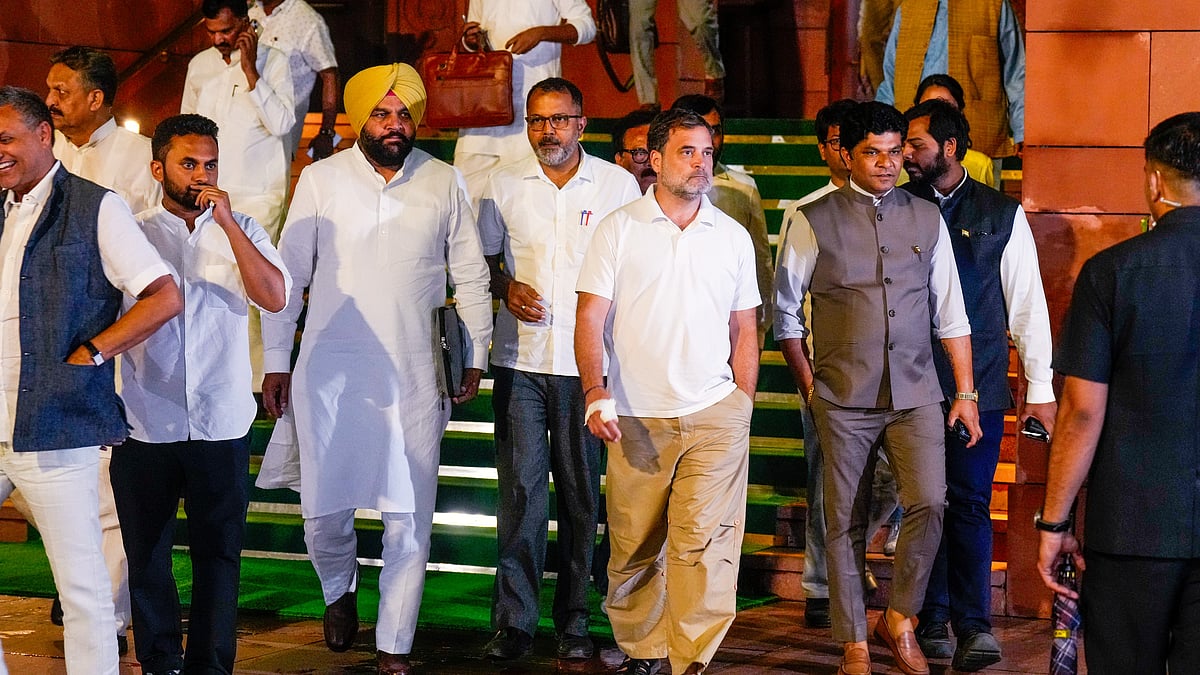
Rahul Gandhi spoke to reporters shortly after the vote. He stated that the government was using women’s rights as a way to hide an attempt to change the electoral structure. He challenged Prime Minister Narendra Modi to implement the 2023 version of the law right away, promising that the entire Opposition would support it if there were no hidden conditions. Priyanka Gandhi Vadra also shared her views, saying that the government made it impossible for the Bill to pass by adding complicated rules about the census and delimitation. She also pointed out that the ruling party has a poor record on protecting women, mentioning several past incidents where women faced violence or unfair treatment.
What This Means Going Forward
The defeat of this Bill creates a path for more political tension. The government may try to bring a different version of the Bill in the future, or they may face more pressure to start the 2023 law as it is. The debate over delimitation is also likely to grow. Many states are worried that redrawing voting maps based on population could reduce their influence in Parliament. For now, the goal of having more women in the Lok Sabha remains a promise that has not yet been fulfilled. Both sides will likely use this event to gain support from voters in upcoming elections.
Final Take
The failure of the women’s reservation Bill highlights a deep lack of trust between the government and the Opposition. While both sides claim to support women’s empowerment, they are far apart on how to achieve it. The focus has now shifted from simply helping women to a larger battle over the rules of Indian democracy. Until a middle ground is found, the wait for a more balanced and representative Parliament will continue.
Frequently Asked Questions
Why did the women’s reservation Bill fail to pass?
The Bill failed because it did not get the two-thirds majority required for a Constitution amendment. It needed 352 votes but only received 298.
What is delimitation and why is it controversial?
Delimitation is the process of redrawing the boundaries of voting areas. It is controversial because it can change how many representatives each region has, which some fear could lead to an unfair balance of power.
What does the Opposition want the government to do instead?
The Opposition wants the government to implement the 2023 women’s reservation law immediately without linking it to a new census or redrawing voting maps.